
Listen to this Post
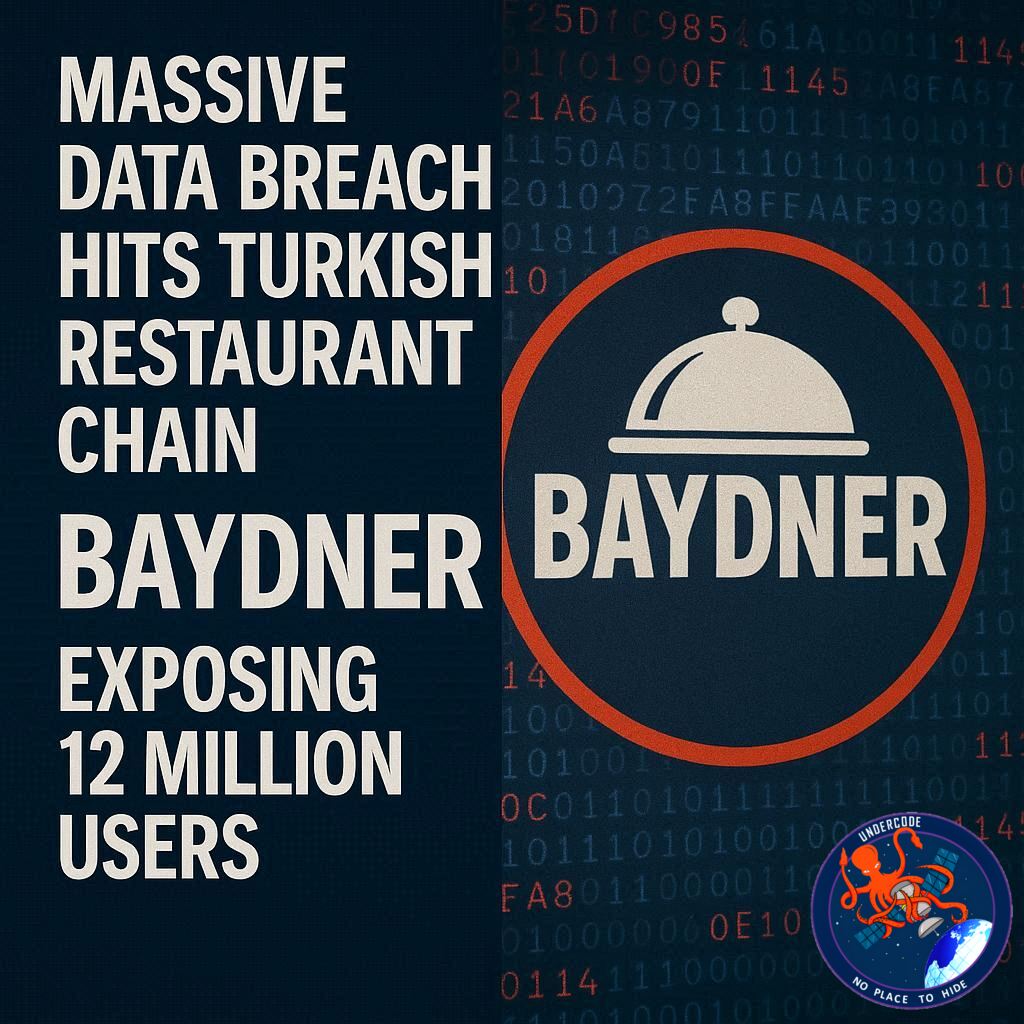
In a shocking development for cybersecurity and digital privacy, Turkish restaurant chain Baydöner has suffered a major data breach, exposing sensitive information of over 1.2 million users. The breach, reported last week, included not only email addresses but also full names, phone numbers, city information, and, alarmingly, plaintext passwords. According to Have I Been Pwned, a cybersecurity watchdog site, 28% of these compromised accounts were already part of previous data leaks, heightening the risk for affected individuals.
the Breach
The breach was first highlighted by the official Have I Been Pwned account on social media, emphasizing the scale and sensitivity of the data leak. Baydöner, a well-known Turkish fast-food chain specializing in doner kebabs, did not immediately disclose how the breach occurred.
The exposed data consisted of 1.2 million unique email addresses, alongside associated personal information such as names, phone numbers, city of residence, and most critically, passwords in plaintext format. The presence of plaintext passwords suggests poor cybersecurity practices by the company, as encrypted or hashed passwords are the industry standard for safeguarding user credentials.
The fact that nearly a third of the leaked email addresses were already present in previous breaches signals a recurring vulnerability. Cybercriminals could potentially exploit these repeated credentials for phishing attacks, identity theft, or unauthorized access to other accounts if users reuse passwords across multiple platforms.
Users are urged to check whether their accounts have been compromised via the Have I Been Pwned platform and to immediately change passwords, especially if they reuse them on other services. Multi-factor authentication (MFA) is highly recommended to add an extra layer of protection.
This incident comes at a time when data breaches in the food and hospitality sector are increasingly frequent. Restaurants often store customer information for loyalty programs, online ordering, and marketing campaigns, making them attractive targets for hackers.
What Undercode Says:
The Scale of the Threat
The exposure of 1.2 million users is a significant cybersecurity event. Even beyond Turkey, international users who may have engaged with Baydöner online could face account compromises. The scale underscores the global nature of data security concerns in even seemingly local businesses.
Implications for Password Security
Plaintext passwords are a critical red flag. When companies fail to encrypt passwords, users’ digital identities are at extreme risk. This breach highlights the importance of password hygiene, including unique passwords and regular updates. Cybersecurity education should become a mandatory part of user onboarding processes.
Risks of Reused Credentials
The revelation that 28% of emails were previously leaked is alarming. Attackers often exploit such overlap using credential stuffing attacks, which automate login attempts across multiple services. This emphasizes the need for users to monitor password reuse vigilantly.
Business Reputation and Legal Exposure
Baydöner could face reputational damage and potential legal scrutiny under Turkish and European data protection laws, particularly GDPR if EU citizens’ data were involved. Companies must prioritize compliance and robust cybersecurity frameworks to prevent regulatory consequences.
Strategic Cybersecurity Response
Immediate steps should include mandatory password resets, forensic investigations to identify the breach’s origin, and public communication to reassure customers. Proactive measures like penetration testing, end-to-end encryption, and regular security audits are crucial to prevent similar incidents.
Consumer Awareness and Responsibility
Users must actively monitor their accounts, utilize password managers, and enable MFA wherever possible. This breach serves as a reminder that even trusted brands can fall victim to cyberattacks, making personal digital security a shared responsibility.
Broader Industry Implications
The hospitality sector’s digital footprint is expanding, with online orders, loyalty apps, and mobile payments becoming standard. Each new service adds vulnerability. Businesses must integrate cybersecurity into their growth strategies rather than treating it as an afterthought.
Long-Term Risk Assessment
Data from breaches like this can resurface years later in underground forums, amplifying identity theft risks over time. Companies and individuals must treat cybersecurity as a continuous, evolving challenge rather than a one-time fix.
Technological Solutions
Emerging technologies like AI-driven threat detection and behavioral analytics can identify unusual login patterns, mitigating damage from compromised credentials. Investments in such technologies are becoming non-negotiable for businesses handling customer data.
Social and Psychological Effects
Beyond financial risk, breaches erode customer trust and create anxiety over privacy. Brands must rebuild confidence through transparency, swift remediation, and demonstrable security improvements.
🔍 Fact Checker Results:
✅ Baydöner confirmed data breach exposed 1.2M email addresses.
✅ Plaintext passwords were part of the leak, increasing risk severity.
✅ 28% of leaked emails were previously compromised in other breaches.
📊 Prediction:
The Baydöner breach will likely trigger a wave of immediate password changes and increased scrutiny on restaurants’ cybersecurity practices. In the coming months, similar businesses in Turkey and neighboring regions may face stricter regulatory inspections. Companies storing customer data may accelerate adoption of encrypted storage and mandatory MFA, while hackers will continue targeting sectors perceived as weak links. Ultimately, this breach may serve as a catalyst for stronger cybersecurity protocols across the hospitality industry.
🕵️📝✔️Let’s dive deep and fact‑check.
References:
Reported By: x.com
Extra Source Hub (Possible Sources for article):
https://www.twitter.com
Wikipedia
OpenAi & Undercode AI
Image Source:
Unsplash
Undercode AI DI v2
Bing
🔐JOIN OUR CYBER WORLD [ CVE News • HackMonitor • UndercodeNews ]
📢 Follow UndercodeNews & Stay Tuned:
𝕏 formerly Twitter 🐦 | @ Threads | 🔗 Linkedin | 🦋BlueSky | 🐘Mastodon


