
Listen to this Post
 Introduction: A Data Breach That Feels Like a Throwback to the Early Internet
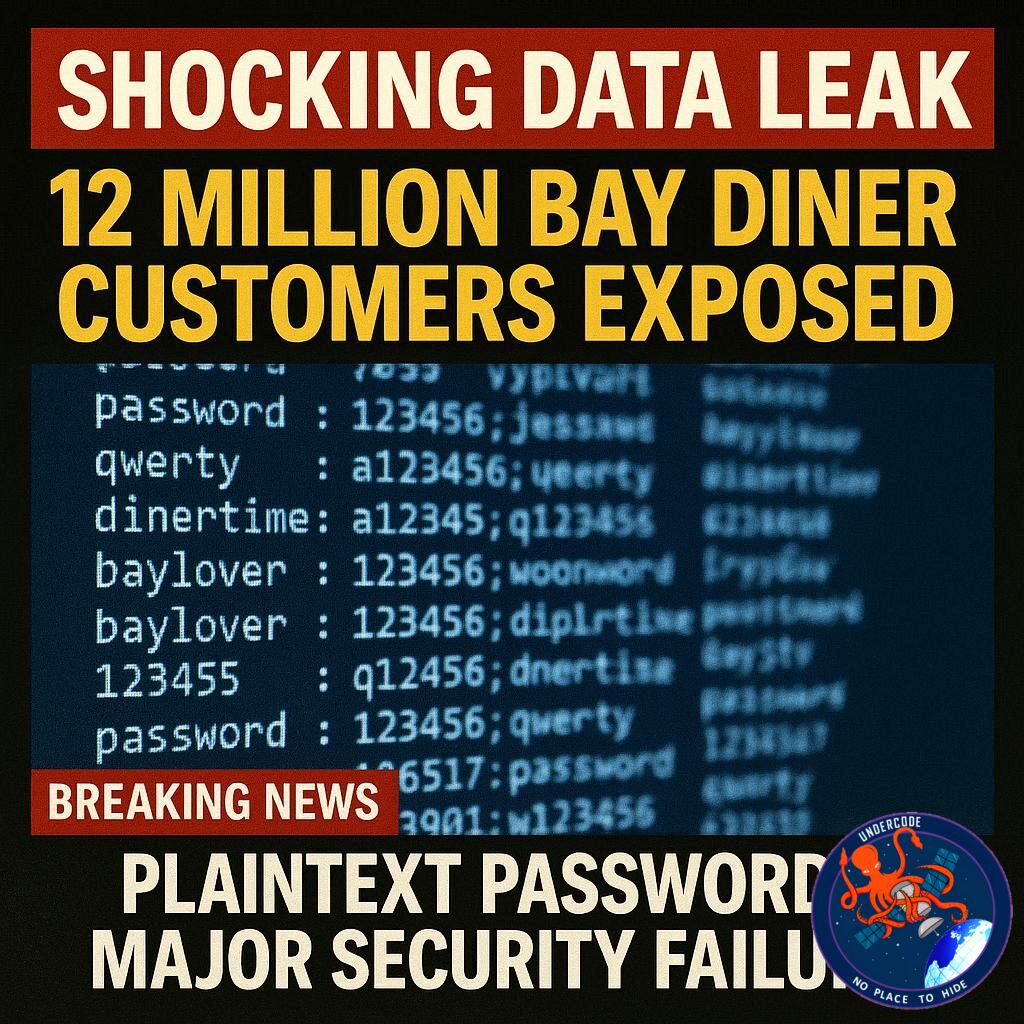
Cybersecurity incidents have become an unfortunate routine in the digital age, but some breaches still manage to shock experts. One such case emerged when a massive database belonging to the Turkish restaurant chain Baydöner was exposed, revealing the personal information of approximately 1.2 million customers. What made this breach particularly alarming was not just the scale of the leak but the outdated security practices discovered behind the scenes. According to cybersecurity researcher Troy Hunt, creator of the widely used breach-notification service “Have I Been Pwned,” the leaked database contained passwords stored in plain text — a practice that modern security standards abandoned long ago.
This revelation triggered immediate concern among cybersecurity professionals, as storing passwords without encryption dramatically increases the risk of account takeovers, identity theft, and broader cybercrime.
The Discovery That Triggered Alarm in the Security Community
The breach first gained public attention after Troy Hunt shared details about the compromised database on social media. Hunt, who runs the well-known breach monitoring platform that allows individuals to check if their personal information has been exposed online, highlighted the unusual nature of the data leak.
According to Hunt’s report, the exposed dataset contained around 1.2 million unique email addresses tied to Baydöner customers. In addition to email addresses, the database reportedly included full names, phone numbers, city locations, and — most shockingly — passwords stored in plain text.
For cybersecurity experts, this type of vulnerability is rarely seen today, as most responsible companies hash or encrypt passwords before storing them in databases.
What the Exposed Data Actually Included
The leaked database contained several categories of personal information that could potentially be exploited by cybercriminals.
Among the exposed details were:
Email addresses
Full names
Phone numbers
City information
Plain-text account passwords
Because the passwords were not encrypted or hashed, anyone accessing the database could instantly view the exact passwords used by customers. This dramatically increases the risk of credential-stuffing attacks, where hackers attempt to use the same password across multiple online platforms.
Many users reuse passwords across different services, meaning a breach from a restaurant loyalty program could lead to unauthorized access to email accounts, banking services, or social media profiles.
Millions Affected — But Many Were Already Compromised
An additional layer of concern emerged when Hunt analyzed the dataset through his breach-tracking system. Approximately 28 percent of the exposed email addresses had already appeared in previous data breaches recorded by his platform.
This suggests that a significant portion of the affected users were already vulnerable due to earlier leaks. The Baydöner breach effectively adds another data point to an already extensive collection of compromised personal information circulating across the internet.
The accumulation of multiple breaches dramatically increases the risk of targeted phishing attacks and identity-based fraud.
The Problem With Plain-Text Password Storage
In modern cybersecurity practice, storing passwords in plain text is widely considered unacceptable. Most companies rely on cryptographic hashing algorithms such as bcrypt or Argon2 to transform passwords into irreversible strings of characters.
When implemented correctly, hashed passwords prevent attackers from easily determining the original password even if the database is leaked. By contrast, plain-text storage offers zero protection.
If hackers gain access to the database, they immediately possess the actual login credentials.
This is why Hunt’s comment about rarely seeing plain-text passwords today quickly gained attention among cybersecurity professionals online.
Why the Source Code Also Raised Eyebrows
In addition to the exposed data, Hunt also noted that the source code of the Baydöner website itself appeared unusual. While specific technical vulnerabilities were not fully disclosed publicly, his remarks suggested that the application might contain broader security weaknesses beyond password storage.
Poor development practices, outdated frameworks, or improper input validation can all create pathways for attackers to exploit databases and gain unauthorized access to sensitive information.
The presence of plain-text passwords often signals deeper systemic issues in how a platform approaches security architecture.
How Data Breaches Like This Become Public
Breaches often surface through multiple channels, including independent security researchers, leaked databases circulating on hacker forums, or internal disclosures by companies themselves.
In many cases, data dumps are first discovered on underground marketplaces before cybersecurity analysts investigate their authenticity. Once verified, services like breach-notification platforms notify affected users so they can change passwords and secure their accounts.
Public disclosure is a critical step in minimizing damage, as it allows individuals to take immediate protective actions.
The Real Risk for Everyday Users
For the average internet user, a breach involving restaurant accounts might initially seem trivial. However, the consequences can extend far beyond a food loyalty program.
Because many people reuse the same password across multiple websites, attackers can use automated tools to test stolen credentials across email services, online banking, and social media platforms.
This technique, known as credential stuffing, has been responsible for countless secondary account compromises following major data leaks.
What Undercode Says:
The Breach Reflects a Deeper Industry Problem
The Baydöner breach is not just about one restaurant chain failing to secure its customer data. Instead, it reflects a broader problem in the digital economy: many companies still treat cybersecurity as a secondary priority rather than a core infrastructure requirement.
Small and medium-sized businesses often build customer platforms quickly to support marketing campaigns or loyalty programs. Security architecture is sometimes implemented later — or worse, ignored entirely.
When that happens, databases become ticking time bombs.
Plain-Text Passwords Suggest Outdated Development Practices
The most striking aspect of this breach is the discovery of plain-text password storage. In modern software engineering, this practice is considered one of the most basic security mistakes imaginable.
Frameworks and authentication libraries available today automatically support password hashing. Even beginner developers are typically taught never to store passwords directly.
If a production system still uses plain-text storage, it likely indicates either extremely outdated infrastructure or a lack of cybersecurity expertise during development.
The Cost of Poor Security Is Often Invisible at First
Many companies underestimate the financial and reputational consequences of data breaches. At first glance, the exposure of 1.2 million restaurant accounts might seem manageable compared to global corporate hacks involving hundreds of millions of records.
However, the real damage unfolds over time.
Customers lose trust in the brand. Regulatory authorities may investigate data protection failures. Legal action from affected users becomes possible in regions with strict privacy laws.
In severe cases, breaches can permanently damage consumer confidence.
The Rise of “Breach Fatigue” Among Internet Users
Another concerning trend is the growing normalization of data breaches. With so many incidents occurring each year, users often respond with resignation rather than urgency.
This phenomenon, sometimes called “breach fatigue,” leads individuals to ignore warnings about compromised credentials.
Unfortunately, this reaction increases risk because attackers rely on people failing to update passwords quickly.
Credential Reuse Remains the Internet’s Weakest Habit
Despite constant warnings from security professionals, password reuse remains extremely common. Studies repeatedly show that many users maintain only a handful of passwords for dozens of online accounts.
When a breach like the Baydöner incident exposes passwords in plain text, attackers gain immediate access to credentials that may unlock multiple digital identities.
This makes even relatively small breaches disproportionately dangerous.
Transparency From Security Researchers Matters
The role of independent cybersecurity researchers remains crucial in the modern digital ecosystem. Without external investigators, many breaches might remain hidden for months or even years.
Public disclosure allows affected individuals to protect themselves quickly.
It also pressures companies to adopt stronger security standards.
The Future of Account Security Must Move Beyond Passwords
Incidents like this highlight why the cybersecurity industry is pushing toward passwordless authentication systems. Technologies such as biometric verification, hardware security keys, and passkeys are designed to eliminate traditional passwords entirely.
If widely adopted, these systems could drastically reduce the impact of database breaches because attackers would no longer obtain reusable login credentials.
Until then, however, password security remains one of the internet’s most fragile foundations.
🔍 Fact Checker Results
✅ Verified Breach Report
The exposure of approximately 1.2 million Baydöner accounts was publicly reported through a major breach-tracking platform run by cybersecurity researcher Troy Hunt.
✅ Confirmed Presence of Plain-Text Passwords
Security analysis of the leaked dataset indicated that user passwords were stored without hashing or encryption.
❌ No Evidence Yet of Financial Data Exposure
There is currently no public confirmation that payment information or credit card data was included in the breach.
📊 Prediction
Cybersecurity Scrutiny of Retail Platforms Will Intensify
Breaches involving everyday consumer platforms — including restaurants, retail loyalty apps, and delivery services — are likely to draw increased scrutiny from regulators and cybersecurity researchers. As digital customer programs expand globally, the amount of personal data collected by these companies continues to grow rapidly.
If similar security failures continue to surface, governments may introduce stricter requirements for password protection, encryption standards, and breach disclosure timelines. In the long run, businesses that fail to modernize their security infrastructure could face heavier fines, stricter regulations, and a growing loss of customer trust in an increasingly security-aware digital marketplace.
🕵️📝✔️Let’s dive deep and fact‑check.
References:
Reported By: x.com
Extra Source Hub (Possible Sources for article):
https://stackoverflow.com
Wikipedia
OpenAi & Undercode AI
Image Source:
Unsplash
Undercode AI DI v2
Bing
🔐JOIN OUR CYBER WORLD [ CVE News • HackMonitor • UndercodeNews ]
📢 Follow UndercodeNews & Stay Tuned:
𝕏 formerly Twitter 🐦 | @ Threads | 🔗 Linkedin | 🦋BlueSky | 🐘Mastodon


