
Listen to this Post
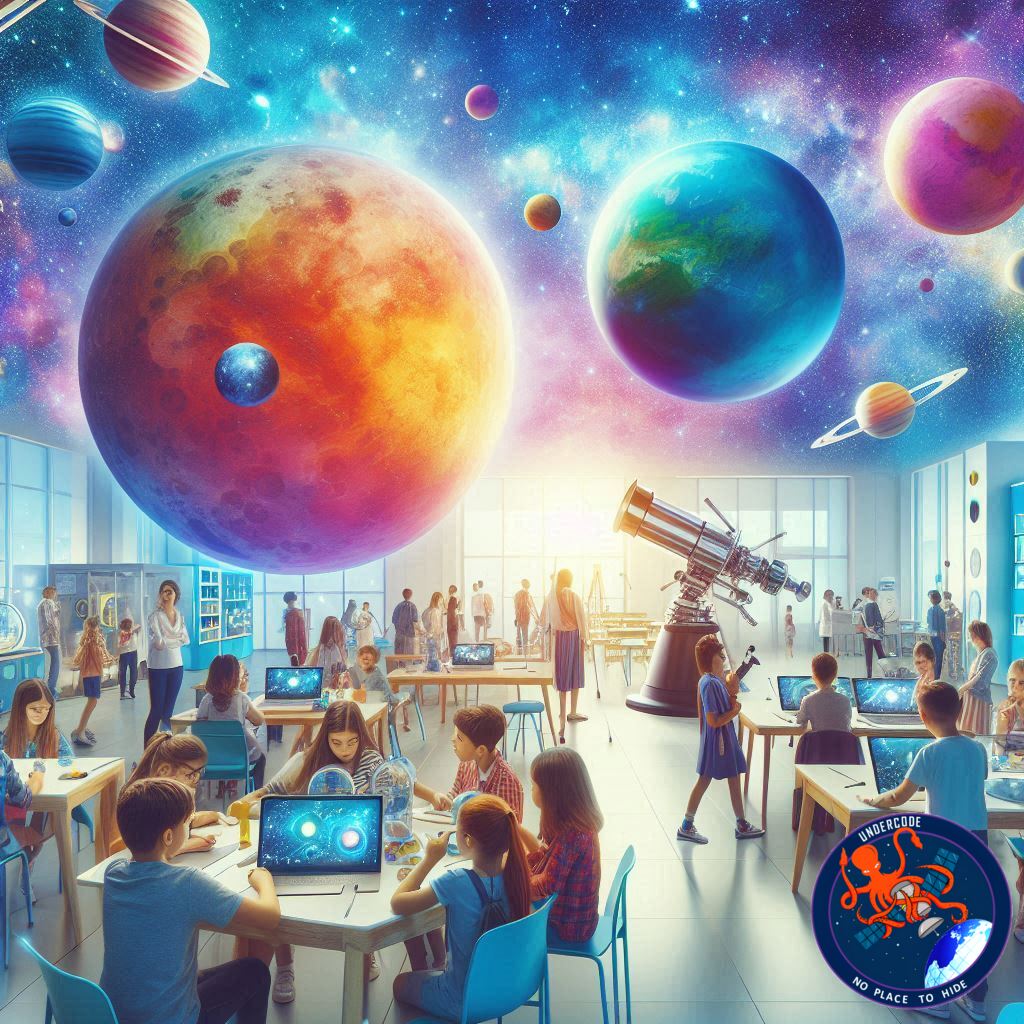 A New Era of Space Learning for the Next Generation
The PLANETS initiative, created through NASA’s Science Activation program and led by Northern Arizona University, has officially opened its digital doors to young learners across the world. Three newly released out-of-school time units now allow students in grades 3 to 8 to step directly into the shoes of planetary scientists and NASA engineers, exploring hazards in space, the mysteries of extraterrestrial water, and the power of remote sensing. With free access, rich educator guides, and classroom-tested activities, PLANETS takes a bold step toward making planetary science inclusive, exciting, and deeply hands-on for every type of learner.
Expanded Summary of the Original
Opening Access to Real Planetary Science
PLANETS introduces three robust learning units that bring authentic planetary science and engineering to grades 3 to 8. The program was created through the NASA Science Activation portfolio and is built to give young learners a taste of the real challenges NASA scientists tackle every day.
Three Units With Powerful STEM Pathways
The curriculum includes Space Hazards, Water in Extreme Environments, and Remote Sensing. Each unit contains both science and engineering pathways, giving learners a complete view of how discovery and problem-solving work together in space exploration.
Crafted With Scientific Expertise
Subject matter experts from the USGS Astrogeology Science Center worked closely with STEM education specialists from NAU, the Boston Museum of Science, and WestEd. Their collaboration ensures that every activity reflects accurate science and modern engineering practices.
Built for Diverse Learners
PLANETS is intentionally designed for inclusivity. Its activities support multilingual learners, Indigenous youth, and students with physical differences. The program draws from research-backed teaching strategies that ensure every child can participate fully and confidently.
Tested and Refined Across the Country
The units were tested in out-of-school programs nationwide. Educators and learners contributed feedback that shaped each activity, ensuring clarity, engagement, and flexibility for real-world teaching environments.
A Comprehensive Educator Toolkit
Each unit includes detailed background information for teachers, instructional videos, and practical tips. The guides are structured to support educators of all experience levels, making them genuinely turnkey for after-school or camp settings.
Why Leaders Praise PLANETS
Kara Branch, CEO and Founder of Black Girls Do Engineer, applauds the program for its accessibility and real-world relevance. She highlights how the hands-on activities cultivate STEM identity, team building, and genuine curiosity in young learners.
Inside the Space Hazards Unit
For students in grades 3 to 5, this unit introduces dangers faced by astronauts and robotic explorers. Kids play a hazard-themed card game and then take on the engineering challenge of designing a protective space glove.
Exploring Water in Extreme Environments
Targeted at grades 6 to 8, this unit reveals surprising truths about where water exists in the solar system. Students compare planetary water sources and then design a filtration system to purify scarce fresh water, mirroring challenges faced on Earth and in space.
Remote Sensing Brings Mars to Life
Middle school learners step into the role of mission engineers, building instruments to detect planetary features. They then analyze real NASA data from potential Mars landing sites to determine the safest and most scientifically valuable location.
Free and Open to All
Every resource is available at no cost on the PLANETS website. With curriculum, videos, and extensive educator supports, PLANETS aims to empower every child to see themselves as future scientists or engineers.
What Undercode Say:
A Breakthrough Moment for Accessible STEM Education
PLANETS arrives at a pivotal moment, when STEM education demands both authenticity and inclusivity. What stands out is not simply the hands-on design, but the program’s intentional focus on reaching learners who have historically been marginalized in scientific spaces. By weaving multilingual strategies, adaptive supports, and research-based pedagogy directly into the curriculum, the program goes beyond engagement and steps firmly into equity.
Authentic Problem-Solving Mirrors NASA’s Real Workflow
Students do not merely complete guided tasks. They reason, iterate, test, and redesign, exactly as engineers do. Whether crafting a space glove or filtering contaminated water, learners confront constraints, environmental risks, and technical trade-offs. This mirrors the cognitive structure of authentic engineering work, which is essential for developing a genuine STEM mindset.
Bridging Earth’s Challenges and Space Exploration
One of PLANETS’ strongest features is its connection between planetary science and real Earth problems. The water purification challenge is a direct bridge between environmental justice issues on Earth and the harsh realities of sustaining life in space. This dual framing deepens relevance and encourages students to see STEM not as distant or abstract, but as a tool that shapes real human futures.
The Power of Remote Sensing for Young Learners
Remote sensing is often seen as an advanced scientific field, but PLANETS distills it into intuitive, student-friendly engineering tasks. By analyzing actual Mars data, learners practice interpreting patterns from remotely collected information, a skill increasingly crucial both on Earth and beyond.
Educator Empowerment is a Hidden Strength
Many STEM programs fail not because of poor content, but because they leave educators without practical guidance. PLANETS avoids that pitfall. Its guides explain concepts in accessible language, provide videos for clarity, and offer pedagogical tips that reduce cognitive load for facilitators. This empowers after-school educators who may not have a STEM background.
Supports Reflect an Understanding of Modern Learning Environments
Out-of-school spaces are diverse, flexible, and often informal. PLANETS is designed with this reality in mind. Activities are adjustable, pathways can stand alone or integrate together, and materials are created to accommodate variable time and resource constraints.
Engagement Through Experiential Design
The program never relies on passive learning. Instead, it leans into game-based exploration, real data analysis, and tangible building tasks. These experiences activate curiosity and ensure knowledge is retained through action rather than memorization.
A Model for Future NASA Educational Programs
PLANETS sets a new standard for what accessible, equitable STEM outreach can look like. Future initiatives will likely draw from its blend of scientific rigor, inclusive design, and educator-centered support.
🔍 Fact Checker Results
PLANETS is officially part of NASA’s Science Activation portfolio. ✅
All three units are free and accessible online. ✅
The program is limited to classroom use only. ❌
📊 Prediction
NASA’s PLANETS program will likely expand with new units over the next few years, especially those tied to lunar exploration and emerging Artemis missions 🌙. As more educators adopt the curriculum, we can expect increased nationwide interest in space-based STEM learning 🚀. Programs that merge real data, inclusivity, and hands-on engineering will become the dominant model for future out-of-school education ⭐.
🕵️📝✔️Let’s dive deep and fact‑check.
References:
Reported By: science.nasa.gov
Extra Source Hub (Possible Sources for article):
https://www.quora.com/topic/Technology
Wikipedia
OpenAi & Undercode AI
Image Source:
Unsplash
Undercode AI DI v2
Bing
🔐JOIN OUR CYBER WORLD [ CVE News • HackMonitor • UndercodeNews ]
📢 Follow UndercodeNews & Stay Tuned:
𝕏 formerly Twitter 🐦 | @ Threads | 🔗 Linkedin | 🦋BlueSky | 🐘Mastodon


