
Listen to this Post
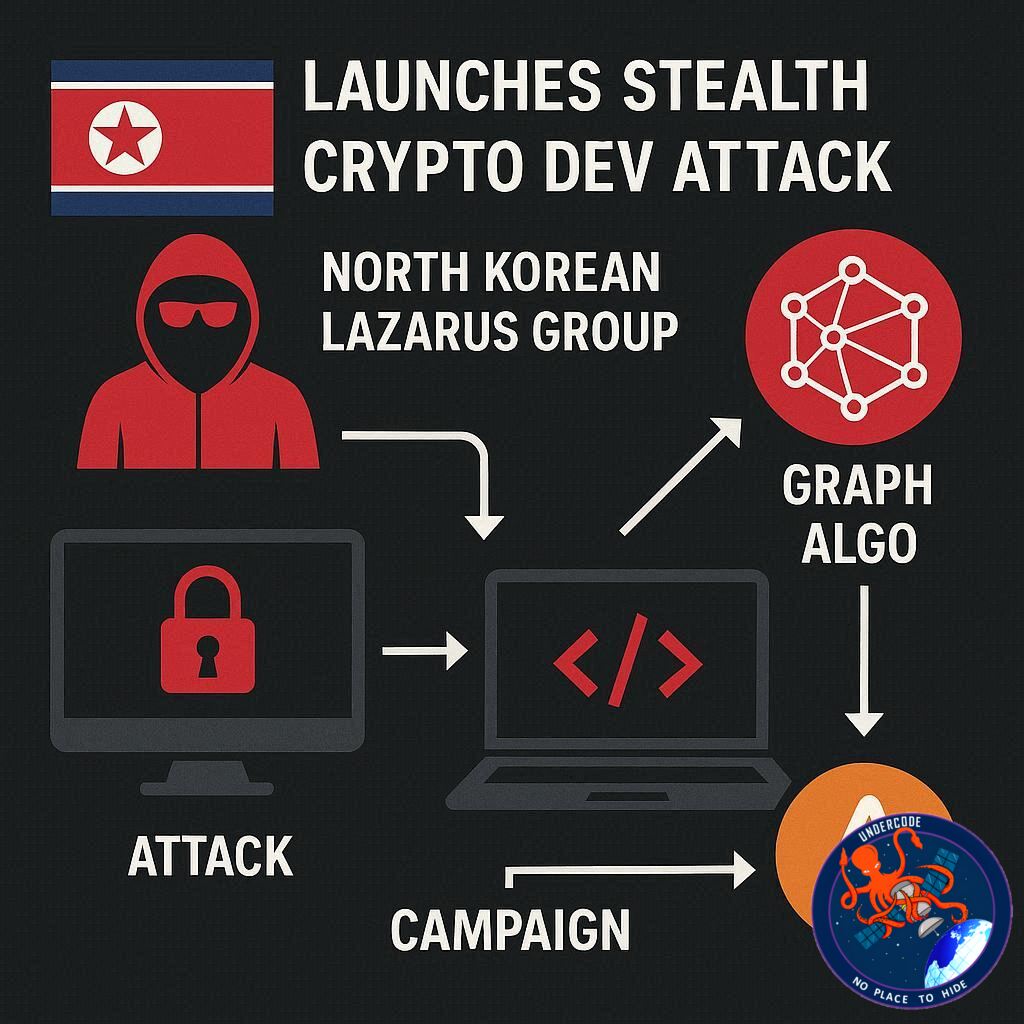
The cybersecurity world is facing a sophisticated threat from the North Korean-linked Lazarus Group, who have quietly escalated their targeting of cryptocurrency developers. Dubbed “Graphalgo,” this malicious campaign masquerades as a legitimate recruiter initiative aimed at Python and JavaScript developers in the crypto space. Using deceptive tactics, it installs hidden malware within popular package managers and leverages online developer ecosystems to maintain persistence and control.
The Graphalgo Campaign Overview
According to recent research, the Lazarus Group is exploiting the trust of developers by creating a fake recruitment campaign, promising lucrative opportunities in crypto development. Developers are enticed via messages and job postings, but the packages they are asked to install, particularly an npm package called bigmathutils, contain concealed malicious code.
The campaign uses multiple platforms for propagation and persistence: GitHub repositories host the initial code, npm (Node Package Manager) distributes the malicious JavaScript libraries, and PyPI delivers Python modules that contain hidden exploits. Once installed, these packages can silently exfiltrate sensitive data or create a foothold for further attacks.
This approach demonstrates a high level of operational sophistication. By using standard developer tools and trusted platforms, the attackers reduce the likelihood of early detection. Unlike conventional malware, which often triggers antivirus alerts, these packages appear legitimate, making them highly effective at compromising targets in the cryptocurrency and software development communities.
Targeted Technologies and Risks
The primary targets are developers working with Python and JavaScript, particularly those involved in blockchain and cryptocurrency projects. Compromised developers could unintentionally introduce malicious code into broader projects, potentially impacting decentralized applications (dApps), smart contracts, and crypto wallets.
The campaign also illustrates a trend where state-linked actors increasingly infiltrate software supply chains rather than rely solely on direct network intrusions. By embedding malware into commonly used packages, attackers gain persistent access to multiple systems without needing to directly compromise individual endpoints.
What Undercode Says:
High-Level Threat to Crypto Ecosystem
The Graphalgo campaign signals an alarming shift in North Korean cyber operations. Targeting developers rather than end-users increases the scale of potential damage. Every compromised package acts as a vector for further exploitation, making this a supply-chain threat that could ripple across the crypto industry.
Advanced Social Engineering Techniques
Lazarus is leveraging sophisticated social engineering, exploiting the community-driven nature of open-source development. By posing as recruiters, they exploit both professional ambition and the decentralized trust model of software projects. Developers must now verify not only the source of packages but also the credibility of recruitment channels.
Multi-Platform Persistence Raises Alarm
Using GitHub, npm, and PyPI simultaneously illustrates the group’s technical agility. This method allows malware to survive standard security sweeps and complicates mitigation, as developers rarely audit dependencies deeply. Organizations relying on open-source code are particularly vulnerable.
Supply Chain Attacks Are Becoming Normative
This campaign reinforces the reality that software supply chains are now prime targets for state-sponsored cybercrime. Traditional endpoint protection is insufficient; proactive monitoring of dependencies, package integrity verification, and behavioral analysis are critical.
Implications for Python and JavaScript Developers
Developers must adopt stricter code hygiene and dependency checks. Organizations should implement automated tools to detect anomalies in package behavior, combined with developer training to recognize suspicious recruiter messages or unexpected library updates.
Potential Geopolitical Dimensions
The Lazarus Group, believed to be aligned with North Korean state interests, often finances operations via cryptocurrency theft or ransomware. This strategy allows the regime to bypass sanctions, fund clandestine activities, and maintain deniability while causing economic and technical disruption globally.
Community Response and Mitigation
Open-source communities may need to tighten vetting procedures for both contributors and package releases. Security advisories, dependency scanning, and collaboration with threat intelligence firms are essential for defending against this evolving threat.
Long-Term Impact on Open-Source Trust
The rise of targeted attacks on developers could erode trust in widely used libraries and slow innovation. Developers might face additional scrutiny and operational overhead as organizations demand stricter security assurances for open-source dependencies.
Technical Recommendations
Implement multi-layered dependency scanning
Audit all external libraries before deployment
Monitor unusual network traffic from development environments
Educate developers on phishing and social engineering tactics
Fact Checker Results ✅
Lazarus Group is confirmed to be North Korean-linked. ✅
Graphalgo campaign targeting Python & JavaScript developers is reported by multiple cybersecurity sources. ✅
Npm package bigmathutils contains malicious code, as verified by Hendry Adrian’s research. ✅
📊 Prediction
The Graphalgo campaign is likely a blueprint for future state-linked cyber operations targeting software supply chains. As more organizations adopt open-source frameworks, similar attacks may scale globally. Companies in the crypto and fintech sectors should anticipate increased attempts to compromise developers through social engineering and malicious packages. In the next 12–18 months, proactive dependency monitoring and recruitment verification will become standard practice, while attacks leveraging multi-platform persistence will likely rise in sophistication.
This campaign underscores the urgent need for a cultural shift in developer security awareness, where verifying code sources and recruiter legitimacy becomes as routine as testing for bugs. The era of supply-chain exploits is here, and the Graphalgo campaign is a stark early warning for the entire tech ecosystem.
🕵️📝✔️Let’s dive deep and fact‑check.
References:
Reported By: x.com
Extra Source Hub (Possible Sources for article):
https://www.discord.com
Wikipedia
OpenAi & Undercode AI
Image Source:
Unsplash
Undercode AI DI v2
Bing
🔐JOIN OUR CYBER WORLD [ CVE News • HackMonitor • UndercodeNews ]
📢 Follow UndercodeNews & Stay Tuned:
𝕏 formerly Twitter 🐦 | @ Threads | 🔗 Linkedin | 🦋BlueSky | 🐘Mastodon


