
Listen to this Post
Introduction
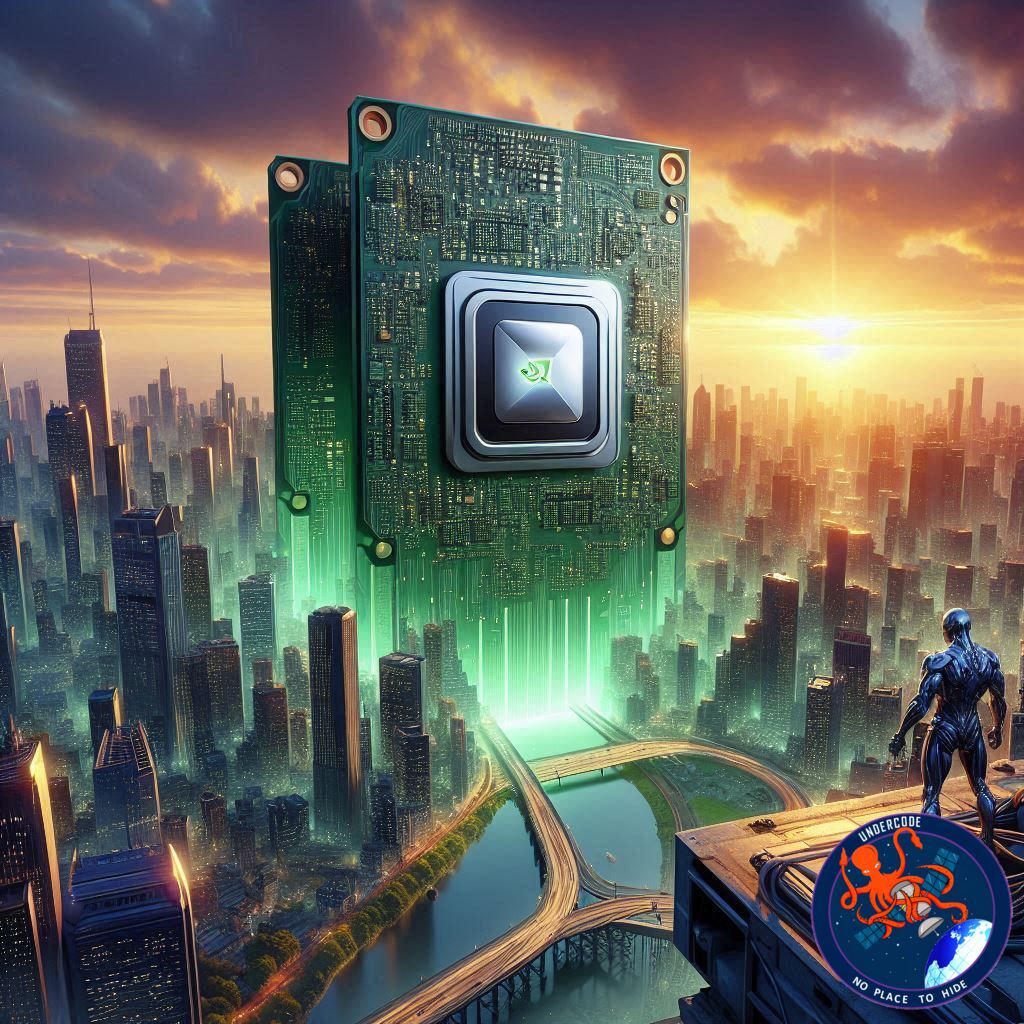
A major shift in US–China tech policy has landed squarely in Nvidia’s favor. On December 8, US President Donald Trump announced that Nvidia will be allowed to sell its advanced H200 AI chips to approved customers in China, under a tightly structured national-security framework. The decision, delivered through Trump’s Truth Social post, sent shockwaves through the semiconductor world. For Nvidia, which has spent the last year navigating restrictions on high-end AI silicon, the announcement marks a pivotal moment that could reshape global AI supply chains, American industrial strategy, and geopolitical competition.
the Original
Policy Reversal Sparks Global Attention
Nvidia secured a major policy breakthrough after Trump declared that the company can resume shipments of its powerful H200 AI chip to vetted commercial buyers in China. The move arrives with strict national-security conditions designed to maintain US strategic advantage.
Trump’s Public Announcement and Rationale
Trump’s Truth Social post detailed that he informed China’s President Xi Jinping of the new framework, emphasizing that the policy aims to protect national security while supporting American workers and taxpayers. He described the new approach as a correction to the prior administration’s restrictions, which he claimed forced US companies to produce weakened, less desirable chips for the Chinese market.
Financial Terms Attached to Exports
Trump added that 25 percent of the revenue from these H200 China sales will be paid to the United States. He had previously floated similar ideas, suggesting that America should financially benefit from chip exports to China.
Framework Extends Beyond Nvidia
Trump noted that the Department of Commerce will finalize the operational details. The same structure will apply to other major US semiconductor companies, including AMD and Intel.
Nvidia Welcomes the Decision
Nvidia responded positively, praising the move as a way to strengthen the US chip industry and promote high-paying American manufacturing jobs. The company reiterated that only commercial customers vetted by the Commerce Department will be eligible, ensuring compliance with national-security requirements.
Export Restrictions Have Been Challenging
While Nvidia has managed limited sales of downgraded chips like the H20 in China, US-imposed export controls have prevented access to its most advanced AI processors. CFO Colette Kress described H20 sales in the region as “insignificant,” emphasizing the company’s ongoing communication with both US and Chinese authorities to navigate compliance.
A High-Level Meeting Preceded the Announcement
Nvidia CEO Jensen Huang met with Trump a week earlier to discuss export rules. Huang publicly reiterated Nvidia’s stance: the company supports export controls, but American firms should have access to the best technologies first.
Impact Across the Semiconductor Sector
The decision suggests a broader recalibration of US tech policy, one that aims to balance national-security imperatives with commercial competitiveness. Nvidia’s next-generation Blackwell and Rubin chips remain excluded from this deal, preserving America’s technological lead.
What Undercode Say:
Geopolitical Leverage Behind Chip Authorization
Allowing Nvidia to sell H200 chips to selected Chinese buyers is not simply an economic concession. It is a calculated geopolitical maneuver. By maintaining control through an approval-only framework, the US can reassert influence over China’s access to advanced AI hardware while capturing revenue in the process.
Reviving the Strained Silicon Bridge
For nearly two years, chip exports have been shaped by restrictive policies that inadvertently encouraged China to accelerate domestic semiconductor development. The new approach attempts to soften the edges of that tension while still keeping American tech ahead of the curve.
Economic Nationalism Repackaged as Industrial Strategy
Trump’s messaging ties the policy tightly to American jobs and manufacturing, framing chip exports as a nationalistic economic win. By redirecting export-based revenue back into the US through the proposed 25 percent cut, the administration presents itself as reclaiming value in global tech trade.
Nvidia’s Strategic Position in the AI Race
Nvidia is uniquely positioned to benefit from this middle-ground policy. The H200 is powerful enough to dominate commercial AI deployments in China but not advanced enough to threaten the US military or national-security edge. This placement allows Nvidia to regain market share without unlocking strategic risk.
China’s AI Surge Not Slowed by Restrictions
Even with past export bans, China’s domestic AI acceleration continued. The H20—a downgraded chip designed to meet export rules—failed to gain traction. Restoring H200 access may ease short-term pressure but also enables China to maintain competitive growth in commercial AI markets.
Financial Incentives and Global Supply Dynamics
The US capturing 25 percent of revenue from these exports introduces a historically unusual mechanism. It turns national-security policy into revenue policy. Semiconductor exports are becoming a form of regulated economic asset rather than private corporate trade.
Impact on AMD and Intel
Since the same policy framework will be applied to other US chipmakers, the move signals the beginning of standardized semiconductor diplomacy. AMD and Intel may soon regain access to large Chinese markets they have partially lost under previous restrictions.
A Temporary Patch or a Long-Term Strategy?
The question is whether this shift represents a stable policy direction or a temporary adjustment driven by diplomatic timing and domestic industrial priorities. Export dynamics could easily pivot again with shifts in political leadership or rapid advances in Chinese chipmaking.
How American AI Leadership Is Preserved
Trump emphasized that Nvidia’s next-generation Blackwell and Rubin chips remain excluded. This exclusion keeps the US firmly ahead in cutting-edge AI performance, giving American firms and defense agencies uncompromised access to superior computing power.
Market Reaction and Long-Term Consequences
The semiconductor sector views this as a cautiously optimistic sign. Yet the long-term impact depends on how strictly the Commerce Department enforces customer approvals and how China responds with its own industrial strategies.
🔍 Fact Checker Results
Trump did publicly announce H200 export authorization with conditions. ✅
Nvidia confirmed support for the policy shift and emphasized compliance requirements. ✅
Blackwell and Rubin chips are not included in the export arrangement. ✅
📊 Prediction
Over the next 12 months, China will rapidly increase orders for commercial-grade AI chips within the approved framework.
US semiconductor firms will regain portions of the Chinese market they lost under stricter bans.
China will simultaneously accelerate domestic AI chip R&D, narrowing the gap but remaining behind next-generation US architectures.
🕵️📝✔️Let’s dive deep and fact‑check.
References:
Reported By: timesofindia.indiatimes.com
Extra Source Hub (Possible Sources for article):
https://stackoverflow.com
Wikipedia
OpenAi & Undercode AI
Image Source:
Unsplash
Undercode AI DI v2
Bing
🔐JOIN OUR CYBER WORLD [ CVE News • HackMonitor • UndercodeNews ]
📢 Follow UndercodeNews & Stay Tuned:
𝕏 formerly Twitter 🐦 | @ Threads | 🔗 Linkedin | 🦋BlueSky | 🐘Mastodon


