
Listen to this Post
Introduction: From Childhood Treat to Global Obsession
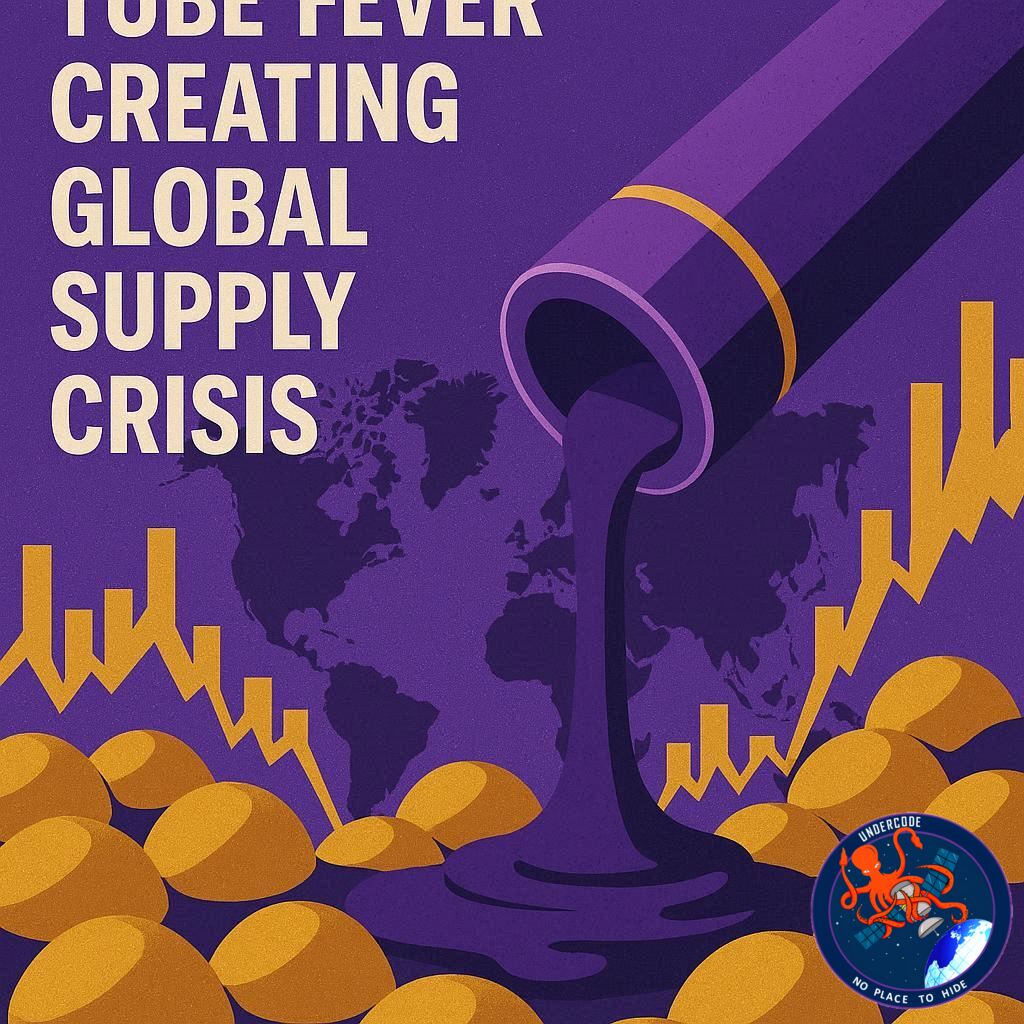
What was once a humble root crop enjoyed quietly in Filipino households is now turning into a global sensation. Ube, the vibrant purple yam, has leapt from traditional desserts into trendy cafés across Europe and beyond. Its striking color and mild, sweet flavor have captivated social media and consumers alike. But behind the aesthetic appeal lies a complex story of supply shortages, struggling farmers, and an emerging international market racing to keep up with demand.
the Original Story
Jeffrey Cesari, a 31-year-old former auditor, grew up enjoying ube during visits to family in the Philippines. However, it wasn’t until he spotted an ube latte in a Turkish café that he saw its business potential. Inspired, he decided to bring the concept to Paris with his own product idea.
His journey quickly became complicated. Finding authentic ube proved difficult due to the variety of products available—ranging from powders to jams—and concerns over adulteration with cheaper substitutes like taro or purple sweet potato. Online research didn’t provide reliable answers, leading him to travel directly to the Philippines in search of trustworthy suppliers.
While visiting local bakeries and wholesalers, Cesari struggled to trace supply chains back to farmers, as many suppliers were hesitant to share contacts. Eventually, a relative pointed him toward a farming initiative in Bohol. After a two-hour boat trip, he connected with farmers willing to supply small quantities, marking a breakthrough for his planned product, “Ube Signature Paris.”
Meanwhile, ube is gaining global traction, often compared to matcha as the next big café trend. Major brands like Starbucks and Costa Coffee have introduced ube-flavored drinks, reflecting growing consumer awareness. Market data shows recognition of ube among U.S. consumers has nearly doubled in five years, though it still occupies a small share of menus.
Despite rising demand, the supply chain remains underdeveloped. Producers and sellers often lack transparency, and consumers may not always get authentic ube. Advocates like Rhea Topacio emphasize the need to connect Filipino farmers directly to global markets, as many currently miss out on profits due to intermediaries.
On the production side, challenges persist. Ube farming is less attractive financially because it takes up to a year to grow, compared to faster crops like potatoes. Farmers also struggle with market access and often rely on middlemen, reducing their earnings. Government efforts aim to boost production, but results have been slow.
External factors are worsening the situation. Rising global energy costs—linked to geopolitical conflicts—have increased farming expenses, particularly irrigation costs. Farmers like Camelle Morta Singh are forced to raise prices to sustain operations. At the same time, local shortages are emerging, with businesses buying in bulk and leaving little supply for everyday consumers.
Overall, the surge in demand, combined with weak supply chains and external pressures, has turned ube into both an opportunity and a growing crisis.
What Undercode Say:
The Illusion of “The Next Matcha”
The comparison between ube and matcha is compelling but somewhat misleading. Matcha succeeded globally not just because of its color and flavor, but due to Japan’s highly organized agricultural and export systems. Ube lacks this infrastructure, making its rapid global rise inherently unstable.
Social Media as a Demand Accelerator
Ube’s explosion is largely driven by visual appeal—its vivid purple hue dominates platforms like Instagram and TikTok. This creates demand that is aesthetic-first rather than supply-aware, leading to sudden spikes that farmers cannot realistically match.
Fragile Supply Chains Exposed
Cesari’s struggle highlights a deeper issue: the absence of transparent, traceable supply chains. When entrepreneurs must physically travel to farms to verify quality, it signals a systemic inefficiency that limits scalability.
Farmers Left Behind in the Boom
Despite rising global prices, Filipino farmers are not the primary beneficiaries. Middlemen capture most of the value, while farmers face long growth cycles and uncertain buyers. This imbalance discourages increased production.
Economic Disincentives in Agriculture
Ube’s long cultivation period makes it less attractive compared to quick-yield crops. Without subsidies or guaranteed purchase agreements, farmers naturally avoid high-risk, slow-return investments.
The Role of Government Initiatives
Efforts like the Bohol Ube Project show promise by introducing contract farming and fixed pricing. However, these initiatives must scale significantly to impact national production levels.
Energy Crisis: A Hidden Threat
The link between global energy shortages and ube prices reveals how interconnected agriculture has become. Rising fuel costs directly impact irrigation and transport, pushing prices higher and limiting supply.
Youth Migration Away from Farming
A long-term concern is the declining interest of younger generations in agriculture. Without new farmers, even increased demand cannot translate into higher production.
Authenticity vs. Commercialization
As demand grows, so does the risk of diluted or fake products entering the market. This could damage consumer trust and slow ube’s growth if not addressed with quality standards.
Market Opportunity vs. Structural Weakness
Entrepreneurs like Cesari see massive potential, but they are entering a market with structural flaws. Without coordinated improvements, the “ube boom” could collapse under its own weight.
Globalization Without Preparation
Ube’s rise reflects a broader trend: local products going global faster than their supply chains can handle. This creates short-term hype but long-term instability.
Price Volatility Ahead
With limited supply and rising costs, ube prices are likely to remain volatile. This unpredictability could deter large-scale investment and limit mainstream adoption.
Cultural Commodification
Ube’s transformation into a global trend raises questions about cultural ownership and benefit distribution. Filipino communities risk seeing their traditional food commercialized without fair returns.
A Race Against Time
The current situation is a race between demand growth and supply chain development. If supply cannot catch up, the trend may fade before reaching maturity.
Fact Checker Results
Verification of Demand Growth
✅ Market data supports increased global awareness and menu presence of ube, though it remains niche.
Supply Chain Challenges
✅ Reports confirm lack of transparency and direct farmer access, validating sourcing difficulties.
Impact of Energy Crisis
✅ Rising fuel costs affecting agriculture in the Philippines are consistent with broader regional energy issues.
📊 Prediction
The ube market is heading toward a critical turning point. If supply chains remain fragmented, the trend may plateau or even decline as businesses struggle with consistency and cost. However, if initiatives connecting farmers directly to global buyers expand successfully, ube could evolve from a niche trend into a stable global commodity—potentially rivaling matcha in the long term.
🕵️📝Let’s dive deep and fact‑check.
References:
Reported By: edition.cnn.com
Extra Source Hub (Possible Sources for article):
https://www.reddit.com
Wikipedia
OpenAi & Undercode AI
Image Source:
Unsplash
Undercode AI DI v2
Bing
🔐JOIN OUR CYBER WORLD [ CVE News • HackMonitor • UndercodeNews ]
📢 Follow UndercodeNews & Stay Tuned:
𝕏 formerly Twitter 🐦 | @ Threads | 🔗 Linkedin | 🦋BlueSky | 🐘Mastodon


