
Listen to this Post
 A New Cyber Threat Emerges in the Quantum Computing Space
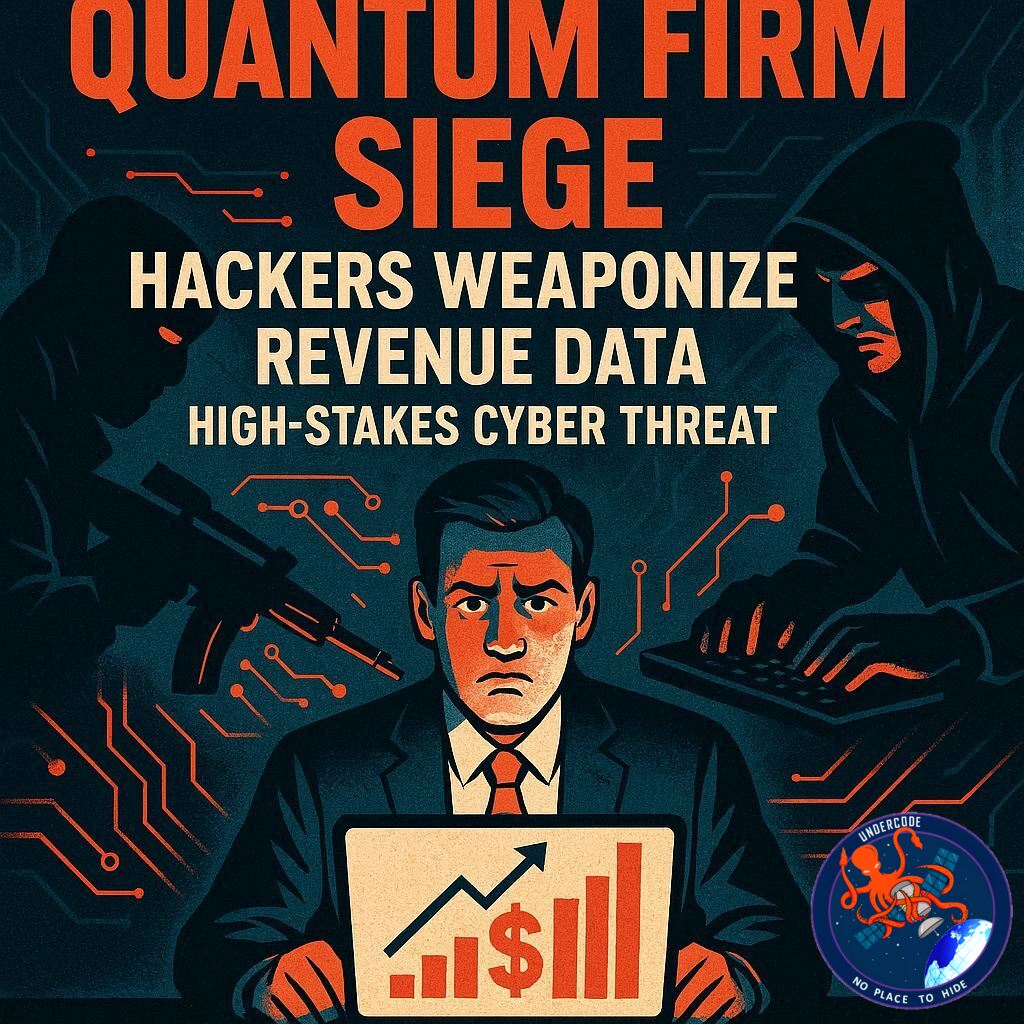
A fresh cybersecurity alert has surfaced, sending ripples through the tech world. A threat actor known as “mnt6” has reportedly claimed responsibility for breaching Photonic, a company recognized for its advancements in quantum computing—particularly in silicon spin qubits and telecom networking technologies. The attacker is not just alleging access but is also applying pressure by referencing the company’s reported $32.6 million revenue, suggesting a financially motivated extortion attempt.
This development comes amid a broader surge in sophisticated cyberattacks targeting high-value technology firms. The claim was initially highlighted by a cybersecurity-focused account, raising awareness across digital threat monitoring communities. While details remain limited and unverified, the implications are serious, especially given the sensitive nature of quantum research and its potential applications in cryptography, communications, and national security.
Simultaneously, another alarming trend has been observed in the cybercrime ecosystem. A phishing toolkit named “Bluekit” is reportedly gaining traction among attackers. This toolkit is described as highly advanced, featuring over 40 phishing templates, an integrated AI assistant, voice cloning capabilities, anti-bot cloaking mechanisms, and even tools to spoof two-factor authentication. It also includes automated domain registration and Telegram-based data exfiltration, making it a powerful all-in-one solution for cybercriminal campaigns.
Bluekit’s continuous development and campaign management features suggest that phishing operations are becoming increasingly industrialized. The combination of AI-driven automation and social engineering tactics points toward a future where cyberattacks are not only more frequent but also more convincing and harder to detect.
Together, these two developments paint a concerning picture of the current cybersecurity landscape—one where both cutting-edge tech firms and everyday users face growing risks from highly organized and technically capable threat actors.
What Undercode Say:
The Strategic Targeting of Quantum Companies
Quantum computing firms like Photonic are not random targets. They sit at the intersection of next-generation computing and national-level strategic interest. Any breach—real or fabricated—can have reputational consequences that ripple across investors, partners, and even governments. The mere claim of a breach can be enough to trigger internal audits, regulatory scrutiny, and market hesitation.
Revenue as a Psychological Weapon
The mention of $32.6 million in revenue is not accidental. Threat actors increasingly use publicly available financial data to calibrate their ransom demands. It signals that the attacker has done reconnaissance and is tailoring pressure based on perceived ability to pay. This is a psychological tactic designed to accelerate negotiations and create urgency within the targeted organization.
The Blurring Line Between Real and Claimed Breaches
One of the biggest challenges in modern cybersecurity is distinguishing between actual intrusions and fabricated claims. Groups often exaggerate or entirely fabricate breaches to gain notoriety or manipulate stock prices. Without confirmation from Photonic, this incident remains in a gray zone—but even unverified claims can cause damage.
Phishing Kits Are Becoming Full-Scale Platforms
Bluekit represents a shift from simple phishing scripts to comprehensive cybercrime platforms. The inclusion of AI assistants and voice cloning indicates that attackers are lowering the barrier to entry. Even less-skilled actors can now launch highly convincing campaigns with minimal effort.
AI Is Amplifying Social Engineering
Voice cloning and AI-generated content are game changers. Attackers can impersonate executives, customer support agents, or trusted contacts with frightening accuracy. This significantly increases the success rate of phishing attempts, especially in corporate environments where trust-based communication is common.
Automation Is Scaling Cybercrime Operations
Automated domain registration and campaign management tools allow attackers to run multiple phishing operations simultaneously. This level of automation mirrors legitimate marketing platforms, showing how cybercrime is adopting business-like efficiency.
Telegram as a Data Exfiltration Channel
The use of Telegram for data theft highlights a broader trend: attackers are leveraging encrypted, widely used platforms to move stolen data. This makes detection and interception more difficult for traditional security systems.
The Rise of “Cybercrime-as-a-Service”
Both the breach claim and Bluekit point toward a growing ecosystem where tools, access, and services are packaged and sold. Cybercrime is no longer limited to isolated hackers—it’s an industry with supply chains, customer support, and product updates.
The Risk to Emerging Technologies
Quantum computing is still in its early stages, but its potential makes it a prime target. Any disruption—real or perceived—can slow down innovation, deter investment, and create geopolitical tensions.
Reputation Damage Can Outweigh Technical Impact
Even if no data was actually stolen, the public claim alone can harm Photonic’s credibility. In cybersecurity, perception often matters as much as reality.
The Need for Transparent Communication
Companies facing such claims must respond quickly and transparently. Silence can be interpreted as confirmation, while clear communication can help control the narrative.
Defensive Strategies Must Evolve
Traditional security measures are no longer enough. Organizations need to adopt AI-driven defenses, continuous monitoring, and employee training to counter increasingly sophisticated threats.
Human Error Remains the Weakest Link
Despite technological advancements, many attacks still rely on human mistakes. Phishing kits like Bluekit exploit this vulnerability, making user awareness more critical than ever.
Regulatory Pressure Is Likely to Increase
As attacks on high-tech firms grow, governments may introduce stricter cybersecurity regulations, especially for companies involved in sensitive technologies like quantum computing.
The Future of Cyber Threats
The convergence of AI, automation, and financial targeting suggests that cyber threats will become more personalized, scalable, and harder to detect. This is not a temporary spike—it’s a long-term shift.
Fact Checker Results
Verification of the Breach Claim
❌ No official confirmation from Photonic has validated the alleged breach.
Accuracy of Bluekit Capabilities
✅ Reported features align with current trends in advanced phishing toolkits.
Financial Data Usage in Ransomware
✅ Using company revenue to pressure victims is a documented tactic in cyber extortion.
Prediction
Escalation of AI-Driven Cyberattacks
The integration of AI into phishing and ransomware operations will accelerate, making attacks more convincing and widespread.
Increased Targeting of High-Tech Firms
Quantum computing and other emerging tech sectors will face more frequent and sophisticated cyber threats.
Stronger Cybersecurity Regulations Ahead
Governments and regulatory bodies are likely to impose stricter security requirements on companies handling sensitive technologies.
🕵️📝Let’s dive deep and fact‑check.
References:
Reported By: x.com
Extra Source Hub (Possible Sources for article):
https://www.instagram.com
Wikipedia
OpenAi & Undercode AI
Image Source:
Unsplash
Undercode AI DI v2
Bing
🔐JOIN OUR CYBER WORLD [ CVE News • HackMonitor • UndercodeNews ]
📢 Follow UndercodeNews & Stay Tuned:
𝕏 formerly Twitter 🐦 | @ Threads | 🔗 Linkedin | 🦋BlueSky | 🐘Mastodon


