
Listen to this Post
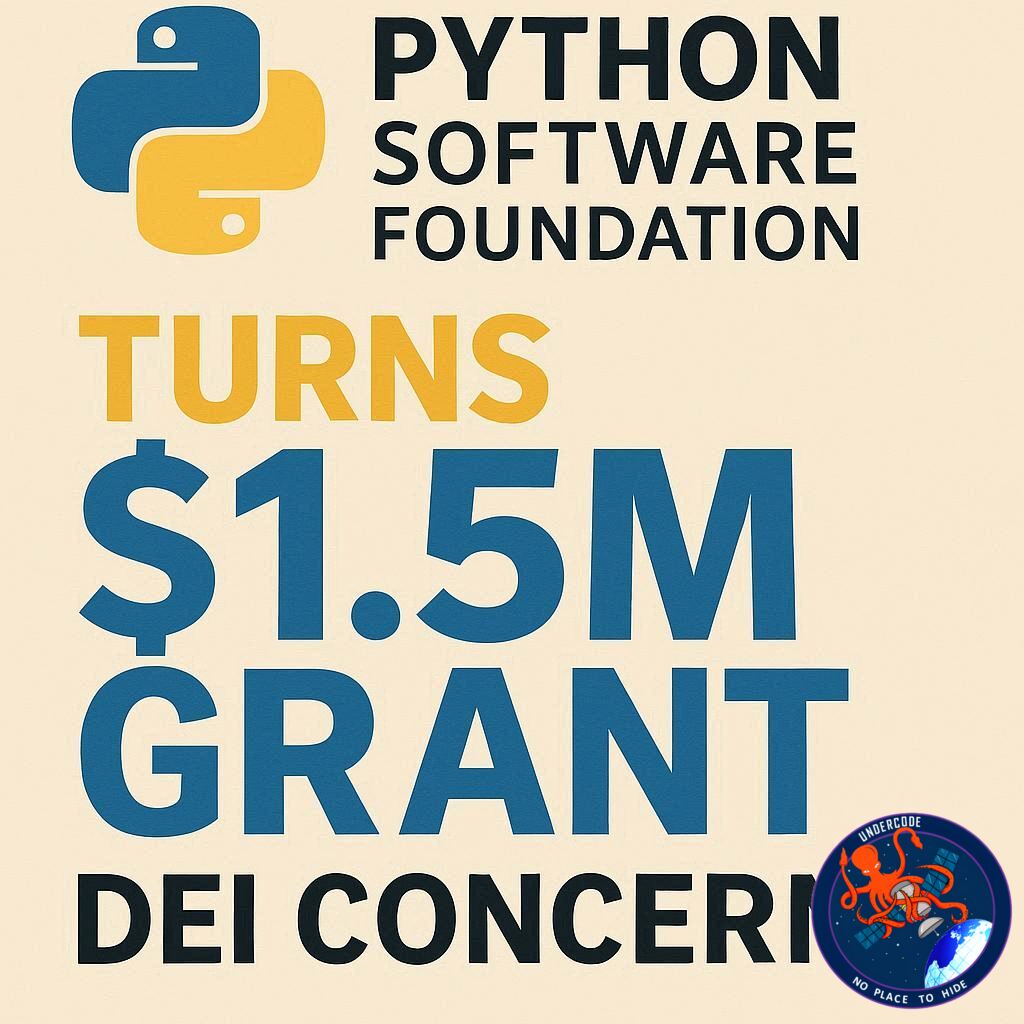
The Python Software Foundation (PSF) recently made headlines by declining a $1.5 million grant from the U.S. National Science Foundation (NSF), citing conflicts between the grant’s restrictive terms and the foundation’s core commitment to diversity, equity, and inclusion (DEI). While the grant aimed to strengthen open-source security—a priority for the global Python community—the PSF’s decision highlights a growing tension between funding opportunities and organizational values in the tech world.
The NSF grant offered significant financial support for projects aimed at improving the security of open-source software, an area increasingly under scrutiny as cyber threats escalate. However, the grant came with conditions that the PSF considered incompatible with its guiding principles of fostering an inclusive and equitable community. The foundation emphasized that accepting funds under those restrictions could compromise the integrity of its mission and its ongoing efforts to make Python accessible and welcoming to developers from diverse backgrounds.
This decision reflects a broader trend in the tech industry, where organizations are weighing financial incentives against social and ethical commitments. Open-source communities, in particular, often navigate complex funding landscapes that require balancing security, innovation, and inclusivity. By rejecting the NSF grant, the PSF has reinforced its stance that organizational values cannot be overshadowed by monetary support, sending a strong signal to the tech community about prioritizing ethical consistency over expediency.
Beyond the immediate financial implications, this move raises questions about how governmental and institutional funding structures can better align with the inclusive values of open-source projects. Many open-source initiatives rely heavily on external funding, yet strict grant conditions can inadvertently limit diversity or impose bureaucratic constraints that conflict with community-driven governance models. The PSF’s decision may inspire other foundations and projects to advocate for more flexible, value-aligned funding mechanisms, ensuring that inclusion and innovation are not mutually exclusive.
The response from the Python community has been largely supportive, applauding the PSF for prioritizing its mission over funding. This episode also highlights the increasingly critical role that ethics and social responsibility play in tech leadership. While $1.5 million could have accelerated security improvements, the PSF’s leadership is signaling that long-term community health, inclusivity, and ethical integrity remain paramount.
What Undercode Say:
The Python Software Foundation’s rejection of this significant NSF grant underscores a fundamental shift in how tech organizations evaluate opportunity cost—not purely in financial terms, but in alignment with ethical standards and community values. Open-source ecosystems thrive on trust, transparency, and accessibility; any perceived compromise on these principles can have long-term repercussions on participation and reputation. By refusing the grant, the PSF demonstrates a forward-thinking approach, emphasizing that inclusion is not negotiable, even when faced with lucrative opportunities.
From an analytical perspective, this decision reflects a nuanced understanding of risk management in open-source governance. Accepting the grant might have accelerated security enhancements, but the restrictive terms could have inadvertently excluded contributors or imposed governance frameworks misaligned with the foundation’s inclusive mission. In this context, the PSF is safeguarding not just current operations but the integrity and sustainability of the Python community.
Furthermore, this situation highlights systemic challenges in the interface between institutional funding and community-driven projects. Traditional funding models often operate on rigid terms designed for corporate or academic compliance rather than the fluid, volunteer-based structures of open-source initiatives. This disconnect can create friction, forcing organizations like the PSF to choose between financial gain and philosophical alignment.
The decision also serves as a case study for other tech foundations navigating similar dilemmas. It illustrates the strategic importance of codifying core values, ensuring they guide operational and funding decisions. By acting transparently, the PSF strengthens community trust, demonstrating that ethical leadership can coexist with pragmatic considerations of project sustainability.
Moreover, the public visibility of this choice can exert subtle pressure on funding bodies to reconsider overly restrictive grant conditions. As more organizations assert their value-aligned boundaries, funding institutions may be incentivized to design programs that are both financially supportive and socially conscious. This dynamic could lead to more inclusive, equitable, and collaborative funding ecosystems across open-source and tech sectors.
The rejection also has implications for the broader cybersecurity landscape. While the grant’s intended goal was to bolster open-source security, the PSF’s stance encourages a conversation about how security initiatives can integrate inclusivity principles from the outset. True resilience in software ecosystems is not only about technical robustness but also about cultivating diverse perspectives that anticipate vulnerabilities and innovate solutions in unexpected ways.
In sum, the PSF’s decision is more than a funding choice—it is a declaration of values, a strategic move to protect the integrity of a global developer community, and a potential catalyst for systemic change in the funding of open-source projects. It challenges the tech industry to rethink the intersection of ethics, funding, and security, highlighting that a principled approach can be both practical and influential.
Fact Checker Results:
✅ Python Software Foundation declined a $1.5M NSF grant.
❌ The decision was unrelated to the grant’s technical focus; it was about restrictive DEI conditions.
✅ The move reflects the PSF’s long-standing commitment to inclusivity and community values.
Prediction:
💡 Expect other open-source foundations to closely examine grant conditions and prioritize alignment with their ethical frameworks.
💡 Funding agencies may adapt terms to better support inclusive, community-driven projects.
💡 Python’s stance could inspire a broader industry dialogue on ethical funding practices and the balance between financial support and organizational values.
🕵️📝✔️Let’s dive deep and fact‑check.
References:
Reported By: x.com
Extra Source Hub (Possible Sources for article):
https://www.reddit.com/r/AskReddit
Wikipedia
OpenAi & Undercode AI
Image Source:
Unsplash
Undercode AI DI v2
Bing
🔐JOIN OUR CYBER WORLD [ CVE News • HackMonitor • UndercodeNews ]
📢 Follow UndercodeNews & Stay Tuned:
𝕏 formerly Twitter 🐦 | @ Threads | 🔗 Linkedin | 🦋BlueSky | 🐘Mastodon


