
Listen to this Post
Introduction
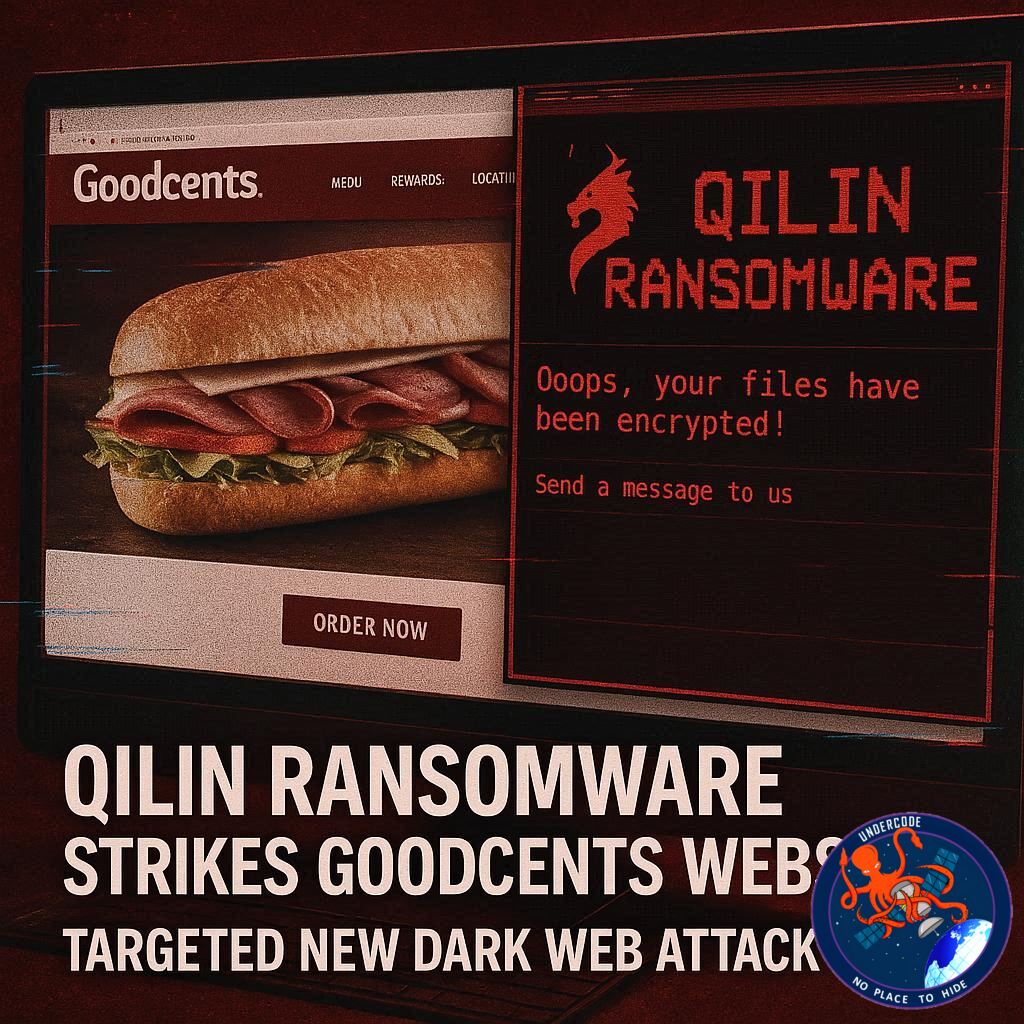
Cybercrime continues to dominate global headlines, with ransomware groups tightening their grip on businesses across industries. The latest victim of this digital warfare is GoodCents, a well-known website that has been listed as a target by the Qilin ransomware gang, according to fresh intelligence shared by ThreatMon Ransomware Monitoring. This attack adds to the growing list of organizations facing extortion attempts, highlighting once again how ransomware has become one of the most lucrative weapons for cybercriminals lurking on the Dark Web.
the Reported Incident
On September 20, 2025, at 22:13 UTC+3, ThreatMon’s Threat Intelligence Team detected unusual activity linked to the notorious Qilin ransomware group. Shortly after, GoodCents (goodcents.com) was officially added to the group’s victim list.
The update was shared publicly on ThreatMon’s monitoring feed, pointing out that GoodCents is now under the crosshairs of this cybercriminal organization. The group has reportedly posted the company’s details on the Dark Web, a common tactic used by ransomware actors to pressure victims into paying ransom demands.
The attack raises major concerns because:
GoodCents operates in a consumer-facing domain, meaning sensitive customer and corporate data could be at risk.
The Qilin ransomware gang has a history of targeting organizations across finance, retail, and digital services.
Publicly listing victims adds reputational damage, increasing the likelihood of financial losses.
With over 336 views already noted on the post, the breach is attracting attention within the cybersecurity community. This exposure could potentially increase the risks for GoodCents, as threat actors often feed on publicity to amplify pressure.
The ThreatMon platform, created by MonThreat, provides real-time updates on ransomware activity, including Indicators of Compromise (IOC) and Command-and-Control (C2) data. By monitoring these developments, researchers and businesses can track ransomware trends and prepare mitigation strategies.
The broader concern, however, is that this case adds to the alarming rise of ransomware incidents in 2025, which continues to push businesses into costly recovery processes. For companies like GoodCents, responding effectively to such breaches will determine whether they can rebuild customer trust and secure their infrastructure against future attacks.
What Undercode Say:
The Qilin ransomware attack on GoodCents is not an isolated event—it reflects a much larger trend in today’s digital threat landscape. Ransomware groups now operate like organized businesses, using advanced strategies that blend technology with psychological warfare.
- Reputation Damage – By posting victims online, Qilin uses fear as leverage. For a consumer-facing platform like GoodCents, the risk is not just data theft but also loss of consumer trust, which can be more damaging than the ransom itself.
-
Global Cybercrime Economy – Ransomware has evolved into a billion-dollar underground economy. Groups like Qilin often reinvest ransom payments into developing more sophisticated malware, expanding their reach worldwide.
-
Target Selection – GoodCents may not be a Fortune 500 company, but mid-sized businesses are increasingly attractive targets because they lack enterprise-grade defenses yet still hold valuable data.
-
Supply Chain Impact – If GoodCents has business partners or service integrations, the attack could ripple outward, compromising other connected platforms.
-
Incident Response – Companies facing ransomware must decide between paying the ransom or investing in recovery. However, law enforcement agencies strongly advise against payment, as it fuels further criminal activity.
-
Legal and Compliance Risks – Depending on the jurisdiction, GoodCents could face regulatory scrutiny for failing to secure customer data, adding another layer of financial and reputational cost.
-
Psychological Pressure Tactics – Ransomware actors don’t just encrypt data; they use countdown timers, leak threats, and constant communication to psychologically manipulate victims into paying quickly.
-
Future of Qilin – The Qilin group has been steadily growing in visibility, and this attack signals they are becoming more aggressive. They may soon shift from mid-level businesses to targeting larger corporations.
-
Defensive Strategies – Organizations must strengthen their cyber hygiene: frequent backups, employee training, zero-trust frameworks, and AI-driven monitoring tools are becoming mandatory.
-
Economic Consequences – Beyond GoodCents, every ransomware case weakens consumer confidence in digital platforms, potentially slowing down digital transformation initiatives worldwide.
In summary, this attack is not just about one company—it’s a warning flare about the future of cyber extortion and the increasingly professionalized tactics of groups like Qilin.
✅ Fact Checker Results
ThreatMon officially confirmed the attack on GoodCents, and Qilin has publicly listed the company as a victim. Data exposure risks are real, but ransom demands and exact losses are not yet confirmed.
🔮 Prediction
Given Qilin’s current trajectory, the group will likely expand its attack scope, moving from mid-sized enterprises to larger corporations by 2026. Cybersecurity experts predict that AI-driven ransomware will emerge as the next evolution, enabling attackers to launch more personalized and automated strikes. GoodCents may be just the start of a new ransomware wave.
🕵️📝✔️Let’s dive deep and fact‑check.
References:
Reported By: x.com
Extra Source Hub:
https://www.medium.com
Wikipedia
OpenAi & Undercode AI
Image Source:
Unsplash
Undercode AI DI v2
🔐JOIN OUR CYBER WORLD [ CVE News • HackMonitor • UndercodeNews ]
📢 Follow UndercodeNews & Stay Tuned:
𝕏 formerly Twitter 🐦 | @ Threads | 🔗 Linkedin | 🦋BlueSky | 🐘Mastodon


