
Listen to this Post
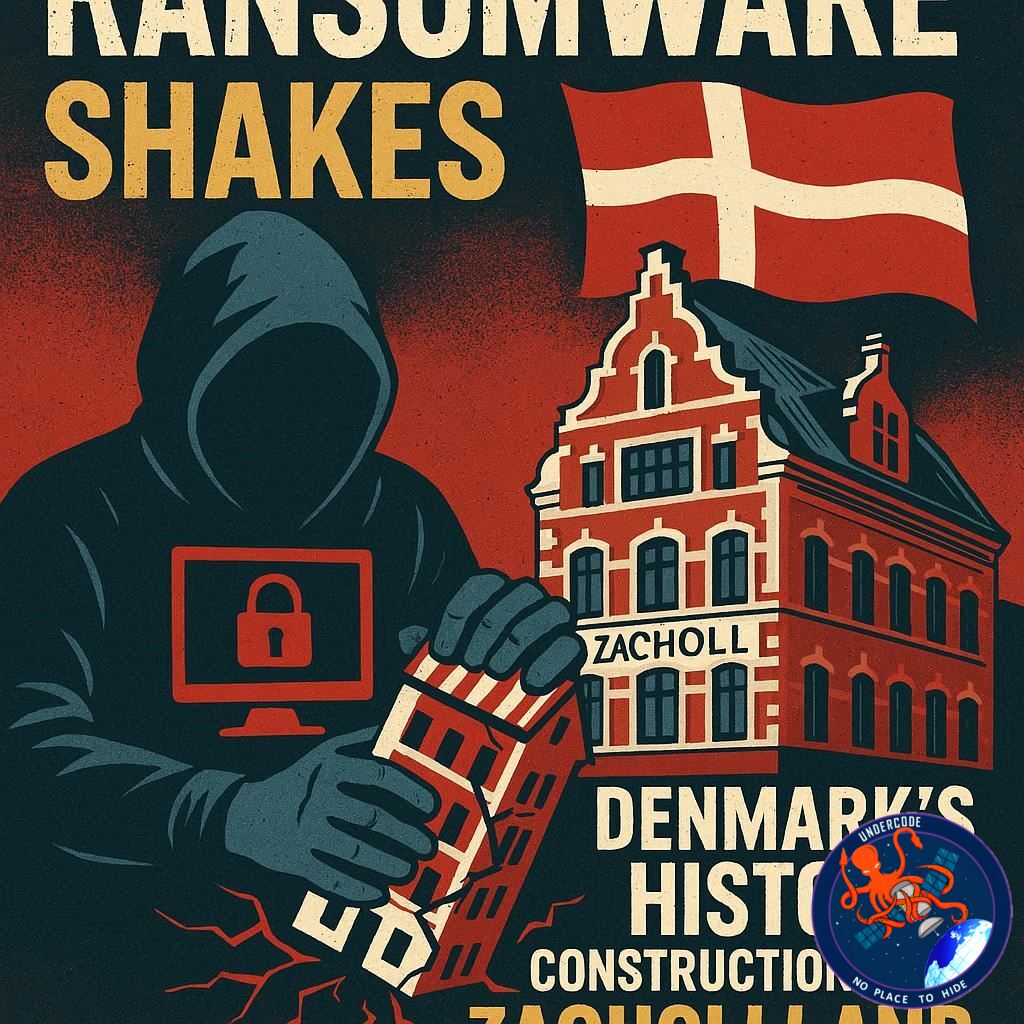
Denmark’s construction industry faces a sudden cyber upheaval as Zacho-Lind, a company with more than 85 years of operational history, suffers a major ransomware attack. The incident, orchestrated by the notorious threat actor group Qilin, has caused significant disruptions in the firm’s Copenhagen operations, highlighting the growing cyber vulnerabilities in traditional industries.
Zacho-Lind, a respected name in Danish construction, has long been synonymous with reliability and decades of engineering expertise. Yet, even such a storied institution is not immune to modern cyber threats. The attack reportedly encrypted critical systems, halting administrative workflows, project management, and operational planning. Initial reports suggest that production and site coordination have been delayed, potentially affecting ongoing contracts and timelines.
The cybercriminal group Qilin, known for targeting high-value companies, claimed responsibility for the breach. This attack is part of a larger trend where ransomware gangs focus on established firms that may lack sophisticated cybersecurity defenses, betting on urgent ransom payments to restore functionality. The public disclosure of this incident underscores both the audacity of these actors and the fragility of business continuity in the digital era.
Cybersecurity experts warn that construction firms, often considered lower-risk than financial or tech companies, are increasingly in the crosshairs. Operational Technology (OT) networks, project planning software, and digital communication platforms present new vulnerabilities for attackers. In Zacho-Lind’s case, the immediate consequences include disrupted workflows, delays in project delivery, and potential reputational damage. Long-term effects may encompass financial losses, increased insurance premiums, and a renewed emphasis on digital resilience.
This incident serves as a stark reminder that legacy companies, regardless of their industry or history, must proactively invest in cybersecurity. Measures such as multi-layered defenses, employee training, incident response planning, and regular system audits are no longer optional—they are critical safeguards against modern cyber threats. Denmark, with its thriving construction and industrial sectors, now faces a test in reinforcing digital security protocols to prevent similar attacks.
Beyond the immediate impact, this attack raises broader questions about the evolving cyber threat landscape. Ransomware actors like Qilin are not only sophisticated but increasingly strategic, selecting targets where operational disruption translates directly into financial leverage. The attack also illustrates the intersection between physical infrastructure and digital vulnerabilities, emphasizing that even industries grounded in tangible, traditional work are deeply entwined with cyberspace risks.
What Undercode Say:
The Zacho-Lind ransomware incident is a wake-up call for industries that have long relied on physical expertise over digital vigilance. Construction firms often underestimate the cyber risk due to a historical focus on tangible assets like machinery and manpower. However, as operations digitize—ranging from supply chain management to remote monitoring of sites—cyber threats become a direct operational risk.
Qilin’s choice of Zacho-Lind signals a calculated strategy: target companies with critical, time-sensitive operations where even a short disruption can pressure executives into paying ransom quickly. The attack also exposes potential gaps in cyber hygiene, such as outdated systems, insufficient backups, and lack of real-time threat monitoring. Companies with decades-long histories may find themselves less agile in adopting modern cybersecurity practices, making them prime targets.
This incident also reflects the broader trend of ransomware evolving into a form of corporate sabotage, rather than just opportunistic theft. Attackers now understand operational dependencies and exploit them, creating cascading effects across project timelines, supplier networks, and client commitments. Denmark’s construction sector must take note: a single cyber incident can ripple into economic, logistical, and reputational damage beyond the immediate firm.
Proactive defense is no longer just IT work—it’s a board-level responsibility. Organizations should prioritize regular penetration testing, network segmentation, and staff awareness programs to mitigate human error. Insurance providers are increasingly scrutinizing cybersecurity measures before underwriting coverage, making robust practices financially essential.
Furthermore, the public disclosure of such attacks is critical in shaping awareness across industries. Transparency not only pressures firms to strengthen defenses but also informs regulatory bodies, which may introduce stricter compliance requirements to safeguard national infrastructure. With cyber threats evolving rapidly, collaboration between private firms, government agencies, and cybersecurity communities becomes crucial.
Zacho-Lind’s case demonstrates that legacy firms cannot rely solely on their reputation or operational history for protection. Digital continuity is as vital as physical infrastructure. Companies that integrate cybersecurity into daily operations, governance, and strategy will be better positioned to withstand attacks while minimizing operational and financial fallout. This incident may serve as a pivotal moment, compelling Danish industries to rethink cybersecurity as a core business imperative rather than a technical afterthought.
Fact Checker Results:
✅ Zacho-Lind is an established Danish construction firm with over 85 years in business.
✅ The ransomware attack was claimed by the threat actor group Qilin.
❌ No confirmed reports indicate that Zacho-Lind paid a ransom or data was publicly leaked.
Prediction:
🚨 Expect an increase in targeted ransomware attacks on traditional industries in Denmark over the next 12 months.
🔍 Companies may accelerate cybersecurity investments, focusing on OT protection, backups, and staff training.
💡 Regulatory scrutiny is likely to intensify, with potential mandatory reporting of cyber incidents in the construction and industrial sectors.
🕵️📝✔️Let’s dive deep and fact‑check.
References:
Reported By: x.com
Extra Source Hub (Possible Sources for article):
https://www.stackexchange.com
Wikipedia
OpenAi & Undercode AI
Image Source:
Unsplash
Undercode AI DI v2
Bing
🔐JOIN OUR CYBER WORLD [ CVE News • HackMonitor • UndercodeNews ]
📢 Follow UndercodeNews & Stay Tuned:
𝕏 formerly Twitter 🐦 | @ Threads | 🔗 Linkedin | 🦋BlueSky | 🐘Mastodon


