
Listen to this Post
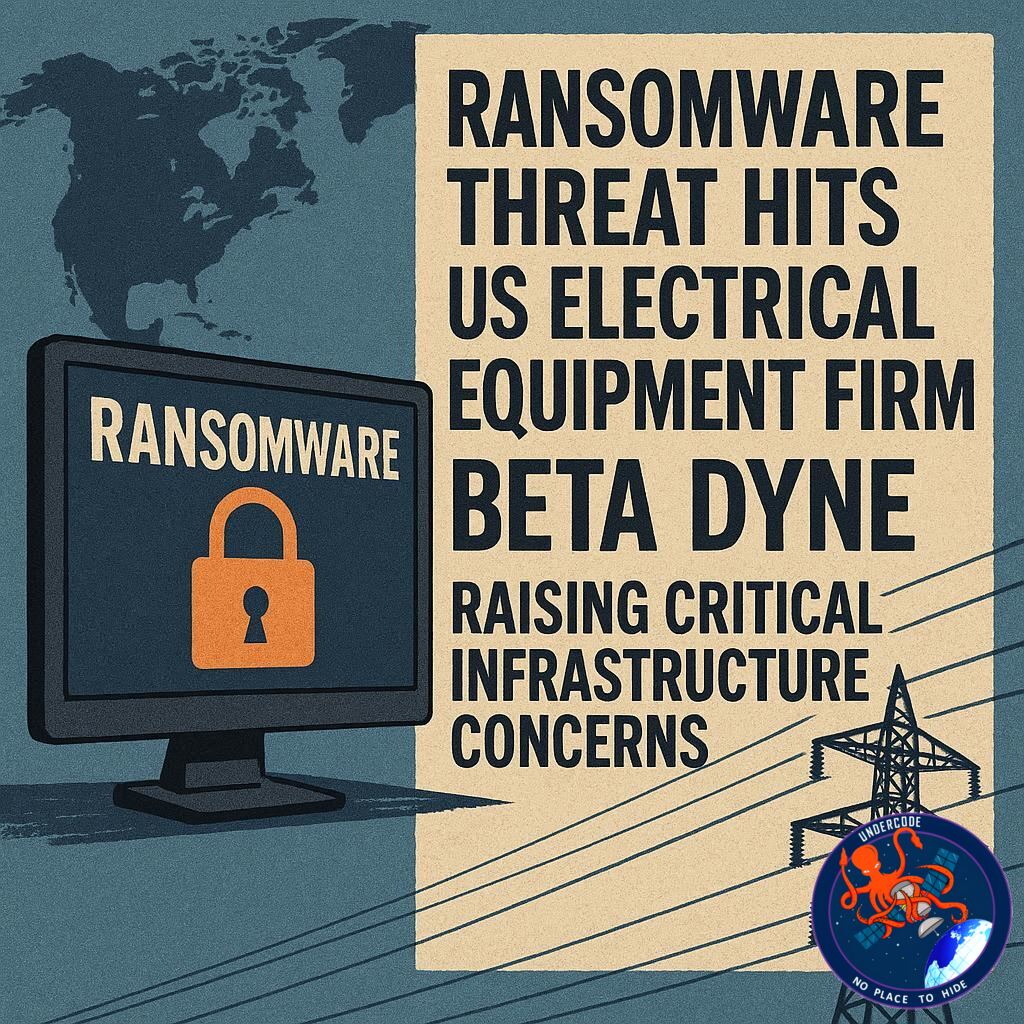
The cybersecurity landscape faces another alarming development as the ransomware group Qilin reportedly targeted Beta Dyne, a U.S.-based company that manufactures electrical equipment essential for industrial, communication, and medical applications. The attack highlights growing vulnerabilities in firms that serve as the backbone of critical infrastructure, sending ripples of concern across multiple sectors. Experts warn that incidents like this not only jeopardize corporate operations but also pose serious risks to public safety and national security.
the Incident
According to cybersecurity reports, the Qilin ransomware gang successfully infiltrated Beta Dyne’s systems, causing operational disruptions in their industrial, communication, and medical equipment divisions. While the full extent of the breach is still under investigation, early indications suggest sensitive corporate data and operational files may have been encrypted or exfiltrated. Beta Dyne, known for supplying critical electrical equipment to key U.S. infrastructure, faces potential delays in fulfilling essential contracts, including those tied to hospitals and communication networks.
Cybersecurity specialists have highlighted the growing sophistication of Qilin attacks, which often involve multi-stage ransomware deployment combined with advanced evasion techniques. Unlike opportunistic attacks, Qilin appears to selectively target companies whose disruption could have cascading effects on infrastructure, signaling a strategic shift toward high-value targets.
The incident underscores a persistent challenge for industrial technology firms: balancing operational efficiency with robust cybersecurity measures. Many organizations in this sector still rely on legacy systems with limited security protocols, making them vulnerable to ransomware threats. Beta Dyne’s situation illustrates how quickly these vulnerabilities can be exploited and the potential scale of consequences.
The U.S. government and private sector cybersecurity agencies have issued alerts urging critical infrastructure providers to review their defenses against ransomware, emphasizing proactive monitoring, rapid incident response, and regular backups. For Beta Dyne, remediation will likely involve system restoration, forensic investigation, and potentially negotiating with threat actors—a process that could take weeks or even months, impacting production and service continuity.
What Undercode Say:
This attack by Qilin signals a worrying trend in ransomware evolution: the prioritization of high-stakes targets. Unlike generalized attacks aimed at mass disruption, Qilin’s methodical approach suggests a strategic calculation—hit firms that are integral to the functioning of hospitals, communications networks, and industrial operations. This is not just a financial assault; it is a disruption of critical societal infrastructure.
For companies like Beta Dyne, this event emphasizes the urgent need to rethink cybersecurity frameworks. Traditional perimeter defenses are no longer sufficient. Organizations must adopt zero-trust architectures, continuous network monitoring, and advanced threat-hunting protocols. Investing in employee training for social engineering and phishing resilience is equally vital, given that initial access often relies on human error rather than technical weaknesses.
From an economic perspective, attacks on infrastructure-linked firms could lead to ripple effects across supply chains. Delays in electrical equipment delivery can halt industrial production, affect hospital operations, and impede communication services. Insurers and financial markets are increasingly factoring in cyber risks when assessing corporate resilience, and companies hit by ransomware may face higher premiums and reputational damage.
Strategically, ransomware groups like Qilin are refining their operational playbooks. Their attacks combine data exfiltration, selective encryption, and extortion messaging that pressures organizations into rapid compliance. This method exploits both technical vulnerabilities and psychological leverage, increasing the likelihood of payout. Governments may need to consider more aggressive regulation or public-private partnerships to mitigate the systemic risk posed by such attacks.
Beta Dyne’s incident also raises questions about supply chain security. Industrial firms often rely on third-party vendors and subcontractors, which can be exploited as entry points by threat actors. Strengthening vendor security protocols and enforcing stricter cybersecurity audits can reduce exposure, but these measures require industry-wide coordination.
Moreover, the attack highlights a broader shift in cybercrime motivation: beyond profit, there is now an element of geopolitical and strategic influence. Disrupting U.S. infrastructure can serve as a warning or leverage point, making these incidents not just corporate crises but matters of national security. Companies, policymakers, and cybersecurity communities must recognize this evolving landscape and respond with layered defense strategies that combine technology, policy, and workforce awareness.
In short, the Qilin ransomware attack on Beta Dyne is a stark reminder that critical infrastructure is under constant threat. The convergence of sophisticated cyber tactics, strategic target selection, and systemic vulnerabilities necessitates a multi-faceted response. Companies that ignore these lessons risk operational paralysis, financial loss, and reputational damage—while broader societal impacts could be even more severe.
Fact Checker Results:
✅ The ransomware group Qilin is actively targeting high-value U.S. firms.
✅ Beta Dyne specializes in industrial, communication, and medical electrical equipment.
❌ Full details of the breach, including data exfiltration, have not been publicly confirmed.
Prediction:
💥 Ransomware attacks on critical infrastructure will likely increase in sophistication and frequency, targeting high-value firms. Companies like Beta Dyne may adopt zero-trust architectures, proactive threat monitoring, and stronger vendor audits. Governments could respond with stricter cyber regulations and collaborative defense frameworks to mitigate systemic risk.
If you want, I can also create a more compelling SEO version of this article optimized for search engines with enhanced emotional hooks and headline variations. Do you want me to do that?
🕵️📝✔️Let’s dive deep and fact‑check.
References:
Reported By: x.com
Extra Source Hub (Possible Sources for article):
https://www.pinterest.com
Wikipedia
OpenAi & Undercode AI
Image Source:
Unsplash
Undercode AI DI v2
Bing
🔐JOIN OUR CYBER WORLD [ CVE News • HackMonitor • UndercodeNews ]
📢 Follow UndercodeNews & Stay Tuned:
𝕏 formerly Twitter 🐦 | @ Threads | 🔗 Linkedin | 🦋BlueSky | 🐘Mastodon


