
Listen to this Post
Introduction
In the digital age, a single phrase can become a cultural phenomenon overnight. Social media platforms have amplified the power of creators, allowing comedians, influencers, and skit-makers to shape popular language and trends across entire countries. In Nigeria, one such phrase, “Something Hooge,” became a nationwide catchphrase thanks to the comedic style of popular skit creator Emmanuel Chukwuemeka Ejekwu, widely known as Sabinus.
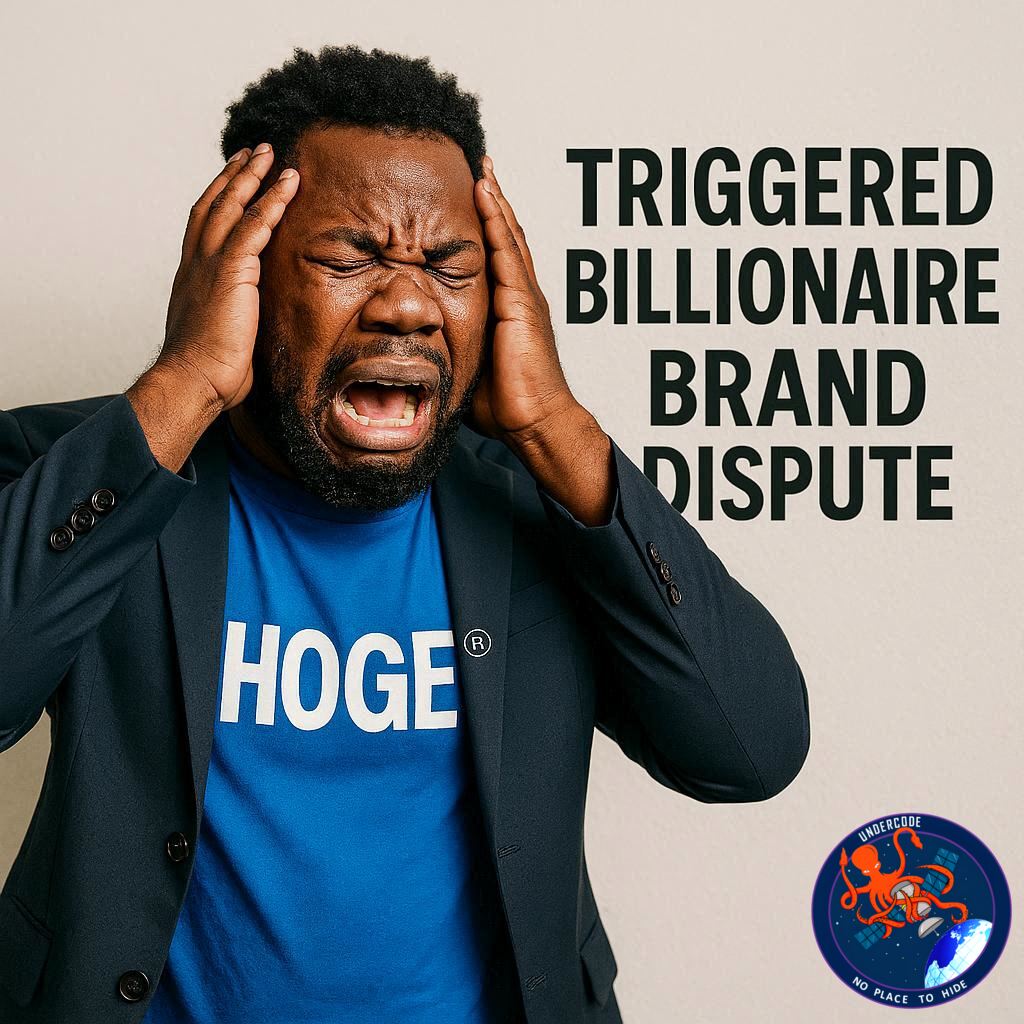
However, what started as a humorous expression in viral comedy skits quickly evolved into a serious intellectual property controversy. The phrase became the center of legal disputes involving major consumer brands including FrieslandCampina WAMCO Nigeria PLC and UAC Foods Limited. At stake were claims totaling ₦1.1 billion, raising broader questions about how brands use creator-generated content and where the boundaries of intellectual property protection lie.
The dispute eventually drew the intervention of the Practitioners of Content Creators, Skit-Makers and Influencers Guild of Nigeria (PCCSIGN), whose president stepped in to mediate the situation. What followed was not only a legal resolution but also a moment that highlighted the growing importance of intellectual property rights in Nigeria’s rapidly expanding creator economy.
How “Something Hooge” Became a Cultural Catchphrase
The phrase “Something Hooge” first gained popularity through the comedic skits of Sabinus. Known for his expressive storytelling and exaggerated reactions, Sabinus turned the phrase into a signature line that fans across Nigeria quickly adopted. It appeared in memes, conversations, and even advertising-style jokes online.
As the catchphrase spread across social media, its cultural value increased. For many fans, “Something Hooge” became synonymous with Sabinus’ comedic identity. This kind of organic branding is common in digital entertainment, where creators often build recognizable personas through recurring phrases, gestures, or characters.
Recognizing the commercial potential of the phrase, steps were taken to protect it legally.
Trademark Registration and Legal Recognition
To secure the phrase as a commercial asset, “Something Hooge” was filed for trademark protection with the Federal Ministry of Trade and Investment through its Industrial Property Office Registry.
The trademark application was officially submitted on November 26, 2021, and accepted on December 4, 2021. Importantly, the registration covered multiple trademark categories. These included advertising services, commercial activities, business promotions, financial affairs, and entertainment-related activities.
By registering the phrase across several classes, the owners effectively positioned it as a protected intellectual property asset tied to Sabinus’ brand. This legal move would later play a crucial role when disputes emerged involving corporate advertising campaigns.
The Billion-Naira Legal Dispute
The conflict began when concerns arose that elements connected to the “Something Hooge” catchphrase were used in promotional campaigns by two major brands.
The president of PCCSIGN, Micheal Obinna Nwabufo, initiated legal action claiming that the campaigns used aspects of Sabinus’ creative identity without proper authorization. The lawsuit sought ₦1 billion in damages from FrieslandCampina WAMCO Nigeria PLC, the company behind Peak Milk.
An additional ₦100 million claim was filed against UAC Foods Limited, producers of the popular Gala sausage roll.
The legal claims sparked widespread attention across Nigerian media and social networks. The dispute highlighted how easily viral internet content can intersect with corporate marketing strategies, sometimes creating complex legal questions.
PCCSIGN Steps In to Resolve the Conflict
Rather than allowing the issue to escalate into a prolonged legal battle, PCCSIGN’s leadership intervened to facilitate discussions between the involved parties.
According to Mike Premium, the disputes were eventually resolved through mutual agreements, professional dialogue, and partnership discussions. Both cases were settled amicably, bringing the billion-naira legal confrontation to an end.
The resolution also involved collaboration between the legal teams representing the parties, including Eko Solicitors and LawCapitol, which were praised for their professionalism during negotiations.
With the settlement completed, no further legal action remains pending.
Why This Case Matters for Nigeria’s Creator Economy
Beyond the immediate dispute, the “Something Hooge” saga carries deeper implications for Nigeria’s digital entertainment ecosystem.
Nigeria has experienced explosive growth in online content creation. Comedy skits, influencer marketing, and social media entertainment have created new career paths for thousands of young creators. However, many creators still lack awareness about protecting their intellectual property.
This case demonstrates how a simple catchphrase can become a valuable commercial asset once it gains widespread recognition.
It also highlights the need for brands to carefully evaluate how they use creator-generated cultural trends in advertising campaigns.
PCCSIGN’s Broader Mission
Following the settlement, PCCSIGN emphasized its commitment to strengthening the structure of Nigeria’s creative industry.
The organization plans to expand programs focused on intellectual property awareness, creator education, and industry guidelines for brand partnerships.
Key initiatives under development include:
• Training programs that teach creators how to register trademarks and protect original content
• Guidelines for fair brand collaborations with influencers and entertainers
• Professional development opportunities for emerging creators
• Partnerships with government institutions to improve legal protections
These efforts aim to ensure that Nigerian content creators can transform viral ideas into sustainable careers.
A Symbolic Moment for Creative Ownership
The peaceful resolution of the “Something Hooge” dispute marks an important milestone for Nigeria’s entertainment industry. It demonstrates that legal frameworks surrounding intellectual property are becoming more relevant in the country’s digital economy.
For creators, the message is clear: originality has value, and protecting creative work is no longer optional.
For brands, the lesson is equally important: collaboration with creators works best when respect for intellectual property is built into the process.
What began as a comedy catchphrase ultimately became a turning point in the evolving relationship between digital creators and corporate marketing.
What Undercode Say:
The “Something Hooge” case illustrates a global trend that is becoming increasingly visible across digital creator economies. Social media personalities are no longer just entertainers. They are brand owners, intellectual property holders, and commercial influencers capable of shaping national conversations.
In traditional media industries, intellectual property laws have always played a central role. However, digital creators often rise to fame quickly without formal legal structures protecting their work. Viral success can arrive long before creators understand how to register trademarks or negotiate licensing agreements.
Sabinus’ situation highlights how catchphrases and signature expressions can become powerful brand identifiers. When millions of viewers associate a phrase with a specific creator, it essentially functions as a trademark even before legal registration occurs.
The dispute also reveals a recurring tension between corporate marketing teams and internet culture. Brands frequently borrow popular memes, slang, or trends to appear relatable. But when those trends originate from identifiable creators, legal complications can arise.
Another important factor is the economic scale of influencer marketing. Nigerian brands increasingly rely on social media personalities to reach younger audiences. This creates enormous commercial value around online content, which naturally raises questions about ownership and licensing.
Organizations like PCCSIGN are attempting to address this gap by creating industry frameworks that protect creators while encouraging collaboration with businesses. If successful, such structures could transform Nigeria’s influencer industry into a more professional and sustainable ecosystem.
The peaceful settlement of the dispute is also significant because it demonstrates that legal conflicts between creators and corporations do not always need to end in courtroom battles. Dialogue, negotiation, and professional mediation can produce outcomes that benefit all parties.
For Nigeria’s creative sector, this moment represents a shift toward recognizing digital content as legitimate intellectual property. As more creators register trademarks, copyright protections, and brand identities, the balance of power between influencers and corporations may gradually become more equal.
In the long run, cases like this could shape the legal standards that govern Africa’s rapidly expanding digital creator economy.
Fact Checker Results
✅ The catchphrase “Something Hooge” was registered for trademark protection in Nigeria in 2021.
✅ Legal claims totaling ₦1.1 billion were reportedly initiated against Peak Milk and Gala producers.
❌ There is no public confirmation that the settlement involved financial compensation; reports only confirm an amicable resolution.
Prediction
📈 Intellectual property disputes involving influencers and brands will likely increase as Africa’s creator economy grows.
⚖️ More comedians, skit-makers, and influencers will begin registering trademarks for catchphrases and digital personas.
🚀 Industry organizations may become essential mediators between creators and corporations to avoid costly legal battles.
🕵️📝✔️Let’s dive deep and fact‑check.
References:
Reported By: www.legit.ng
Extra Source Hub (Possible Sources for article):
https://www.github.com
Wikipedia
OpenAi & Undercode AI
Image Source:
Unsplash
Undercode AI DI v2
Bing
🔐JOIN OUR CYBER WORLD [ CVE News • HackMonitor • UndercodeNews ]
📢 Follow UndercodeNews & Stay Tuned:
𝕏 formerly Twitter 🐦 | @ Threads | 🔗 Linkedin | 🦋BlueSky | 🐘Mastodon


