
Listen to this Post
Introduction: Unexpected Collapse Shakes the City
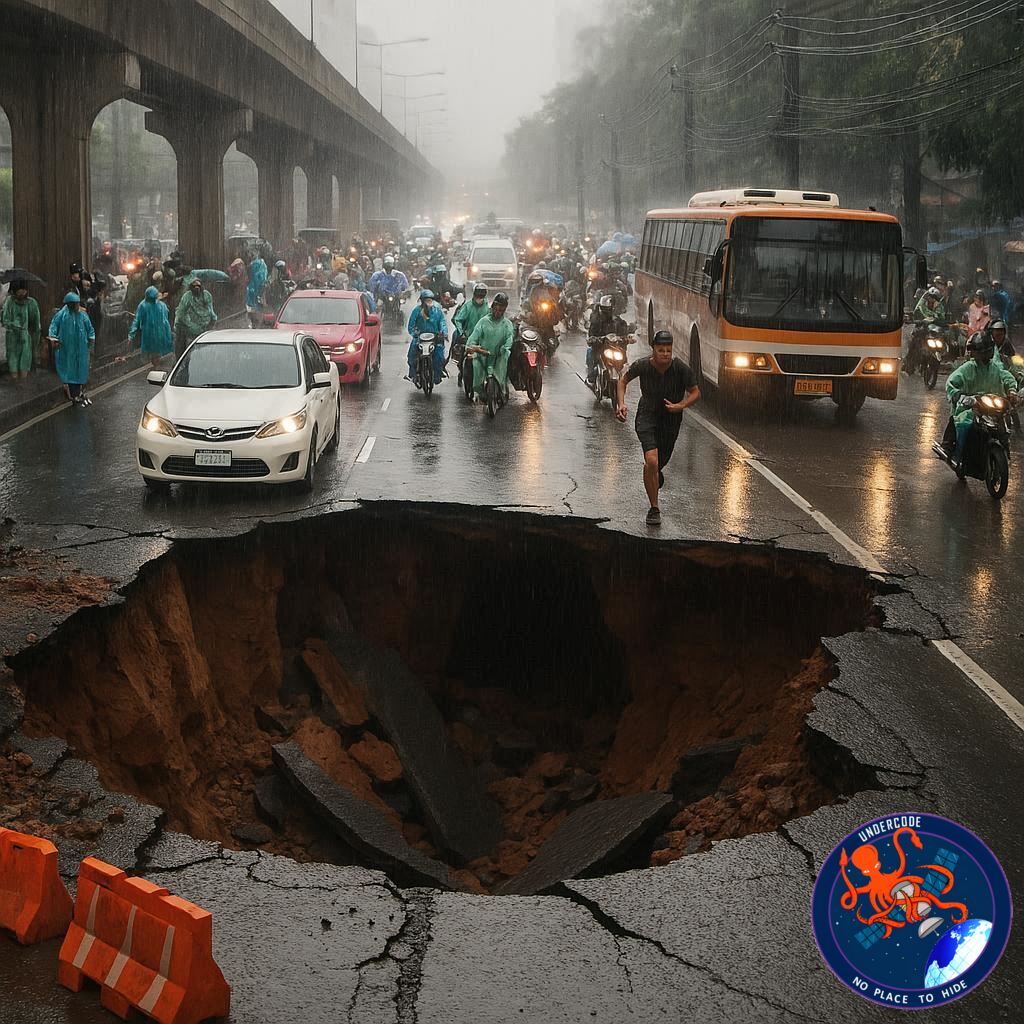
Bangkok faced a startling infrastructure crisis as a major road in the city suddenly collapsed, causing damage to vehicles and disrupting daily life. While no casualties were reported, the incident has raised concerns over construction safety, urban planning, and the city’s preparedness for the monsoon season. The collapse highlighted the delicate balance between rapid urban development and public safety.
What Happened: Chaos on the Streets of Bangkok 🏙️
Bangkok Governor Chadchart Sittipunt confirmed that three vehicles were damaged, thankfully with no injuries reported. The collapse is believed to be linked to ongoing construction work for an underground train station. The incident triggered significant disruption: electricity poles fell, water pipes ruptured, and a four-lane road in front of a police station was completely severed, causing power and water outages in the surrounding areas.
Immediate Consequences: Disruption and Evacuations ⚡💧
Videos circulating online showed panicked drivers attempting to back their cars away from the suddenly caving road. Nearby hospital facilities were forced to close outpatient services for two days. Authorities immediately ordered evacuations from multiple buildings and issued warnings about further risks due to ongoing heavy monsoon rains, which could worsen the situation.
Infrastructure Concerns: Hidden Risks Beneath the Surface 🚧
The collapse raises critical questions about the safety of Bangkok’s urban infrastructure. Rapid construction of mass transit projects is vital for the city’s growth, but the incident underlines the need for strict monitoring of construction sites. Experts suggest that underground work, if not carefully managed, can destabilize surrounding roads and utilities, creating cascading risks for residents and businesses.
What Undercode Say: Analyzing the Incident and Its Implications 📊
The recent road collapse in Bangkok is a wake-up call for city planners and authorities. While no casualties occurred, the damage to vehicles, roads, and public utilities highlights gaps in urban safety measures. Construction projects, especially underground stations, require rigorous inspection protocols to prevent similar events in the future.
Urban flooding during the monsoon season further amplifies the risk. Heavy rain can saturate soil, weakening structures, and creating sinkholes. Authorities need to implement both preventive maintenance and real-time monitoring systems to ensure roads remain safe during such periods.
From an economic perspective, road collapses disrupt transportation networks, delay goods delivery, and increase repair costs. Local businesses near affected areas face temporary closures, reducing income and productivity. Emergency services, too, are strained, diverting resources from other critical needs.
The incident also stresses the importance of public communication. Quick alerts, evacuation orders, and clear instructions prevent panic and reduce injuries. Social media and real-time news updates can play a critical role in keeping residents informed.
Long-term planning should focus on integrating construction safety with climate resilience. Bangkok, like many growing metropolises, faces dual challenges of urban expansion and extreme weather. Addressing both simultaneously ensures sustainable growth and reduces risk to citizens.
Urban engineers may need to revisit design standards for underground stations, including soil reinforcement and water drainage systems. By learning from this incident, authorities can prevent similar disasters in the future.
Moreover, insurance implications are significant. Damage to vehicles, infrastructure, and public utilities may lead to increased premiums for construction firms and urban developers. Accountability and compliance with safety regulations will likely become more stringent.
Community awareness is equally crucial. Residents should be educated on warning signs of potential collapses, evacuation routes, and emergency contacts. Preparedness reduces panic and ensures coordinated response during unexpected incidents.
Fact Checker Results ✅❌
✅ No casualties reported from the road collapse.
✅ Three vehicles damaged, along with water and electricity disruptions.
❌ The collapse was not linked to natural causes alone; construction likely played a major role.
Prediction: Future Safety Measures and Urban Planning 🔮
In the coming months, Bangkok is expected to tighten construction regulations, especially for underground transit projects. Authorities may invest in advanced monitoring technologies to detect structural weaknesses early. Public safety campaigns and infrastructure audits will likely become more common to prevent similar disasters, ensuring that Bangkok’s rapid development does not compromise the safety of its residents.
🕵️📝✔️Let’s dive deep and fact‑check.
References:
Reported By: www.euronews.com
Extra Source Hub:
https://www.quora.com
Wikipedia
OpenAi & Undercode AI
Image Source:
Unsplash
Undercode AI DI v2
🔐JOIN OUR CYBER WORLD [ CVE News • HackMonitor • UndercodeNews ]
📢 Follow UndercodeNews & Stay Tuned:
𝕏 formerly Twitter 🐦 | @ Threads | 🔗 Linkedin | 🦋BlueSky | 🐘Mastodon


