
Listen to this Post
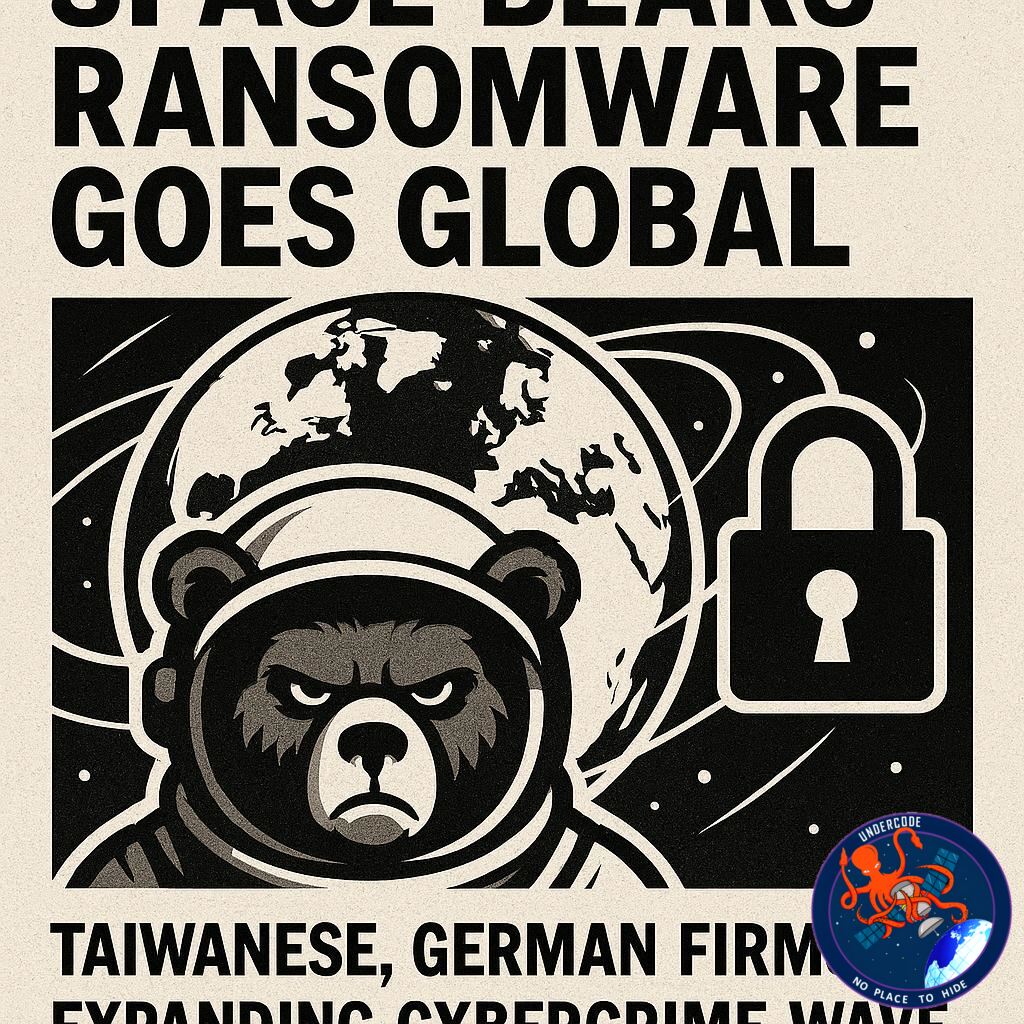
A Coordinated Ransomware Campaign Raises Global Alarm
A new ransomware operation known as Space Bears has surfaced on the global threat landscape, targeting multiple companies across different continents. Recent reports indicate that organizations in Taiwan and Germany have fallen victim, highlighting how modern ransomware groups are no longer constrained by geography. The attacks underscore a growing trend: highly organized cybercriminal operations deliberately selecting industrial and manufacturing firms rich in intellectual property and sensitive business data.
the Original Report
According to cybersecurity monitoring sources, the Space Bears ransomware group has successfully breached several companies, including Taiwan-based Kymco and Germany’s Wagner Metal Concept. The attackers claim to have exfiltrated a wide range of sensitive data before encrypting internal systems, a hallmark of modern double-extortion ransomware tactics.
Scope of the Stolen Data
The leaked information reportedly includes confidential contracts, proprietary patents, detailed 3D engineering models, and customer records. Such data goes far beyond basic personal information, touching the very core of a company’s competitive advantage. For manufacturers and industrial firms, the loss of design files and patents can be more damaging than temporary operational downtime.
Industrial Companies in the Crosshairs
Both affected firms operate in manufacturing-heavy sectors, which are increasingly attractive to ransomware groups. These companies often rely on legacy systems, specialized software, and complex supply chains, making rapid recovery difficult and increasing the likelihood that victims may consider paying a ransom to restore operations quickly.
How the Attack Was Disclosed
The information surfaced via a post by a cybersecurity news aggregation account on X (formerly Twitter), reflecting how threat intelligence today often breaks first on social platforms rather than through official disclosures. This also suggests that the victims may still be assessing the full scope of the breach while attackers attempt to pressure them publicly.
The Double-Extortion Playbook
Space Bears appears to follow the now-standard double-extortion model: steal data first, then encrypt systems, and finally threaten public leaks if ransom demands are not met. This strategy amplifies pressure on victims by combining operational disruption with reputational and legal risks.
Why Patents and 3D Models Matter
Unlike stolen passwords or emails, patents and 3D models can be reused, sold, or leaked to competitors. In industries like automotive parts and metal manufacturing, these assets represent years of research and millions of dollars in investment. Once exposed, the damage is often irreversible.
A Growing International Pattern
The choice of targets in both Asia and Europe signals that Space Bears is not a regional actor. Instead, it appears to be part of a new generation of ransomware groups operating with a global mindset, scanning for high-value victims regardless of country, language, or regulatory environment.
What Undercode Say:
Why This Attack Is More Serious Than It Looks
This incident should not be dismissed as “just another ransomware case.” The specific focus on contracts, patents, and 3D models suggests deliberate targeting of intellectual property rather than opportunistic data theft. That points to a higher level of planning and possibly buyers waiting for this data on underground markets.
Manufacturing Is Becoming the Soft Underbelly
Manufacturers are increasingly digital but often lag behind in cybersecurity maturity. Operational technology (OT) systems, CAD software, and production networks are frequently connected to corporate IT environments without adequate segmentation. This creates a perfect storm for ransomware operators looking for maximum leverage.
Ransomware as Industrial Espionage
There is a growing gray area between cybercrime and industrial espionage. When stolen data includes patents and designs, the line blurs. Even if Space Bears is financially motivated, the downstream use of this data could benefit competitors or nation-state interests indirectly.
The Cost Goes Beyond Ransom Payments
Even if no ransom is paid, companies face regulatory scrutiny, potential lawsuits, loss of customer trust, and long-term competitive harm. For global brands, the reputational damage alone can outweigh the immediate financial loss from downtime.
Why Public Disclosure Is Used as Pressure
By leaking information through public channels, ransomware groups accelerate media attention and investor anxiety. This tactic is designed to corner executives into quick decisions, often before forensic investigations are complete.
Asia and Europe Are Equally Exposed
The targeting of firms in Taiwan and Germany shows that strong industrial economies are prime targets. High-value intellectual property, combined with complex supply chains, makes these regions especially attractive to extortion-focused threat actors.
This Signals a Shift Toward Quality Over Quantity
Rather than mass infections, groups like Space Bears appear to prefer fewer victims with richer data. This “high-value targeting” approach reduces noise while increasing potential payouts or leverage.
What This Means for Other Companies
If Space Bears succeeds in monetizing stolen IP, copycat groups will follow. Organizations that treat ransomware purely as an IT issue, rather than a core business risk, are likely already behind the curve.
🔍 Fact Checker Results
✅ Space Bears ransomware has publicly claimed responsibility for attacks on companies in Taiwan and Germany.
✅ The types of stolen data reported align with common double-extortion ransomware tactics.
❌ There is no public confirmation yet from the affected companies detailing the full impact or confirming ransom demands.
📊 Prediction
The Space Bears operation is likely to expand its victim list in the manufacturing and industrial sectors over the coming months. As long as intellectual property remains a lucrative extortion asset, ransomware groups will continue shifting away from consumer data toward high-value corporate secrets, making IP-focused attacks one of the dominant cybercrime trends of 2026.
🕵️📝✔️Let’s dive deep and fact‑check.
References:
Reported By: x.com
Extra Source Hub (Possible Sources for article):
https://www.reddit.com/r/AskReddit
Wikipedia
OpenAi & Undercode AI
Image Source:
Unsplash
Undercode AI DI v2
Bing
🔐JOIN OUR CYBER WORLD [ CVE News • HackMonitor • UndercodeNews ]
📢 Follow UndercodeNews & Stay Tuned:
𝕏 formerly Twitter 🐦 | @ Threads | 🔗 Linkedin | 🦋BlueSky | 🐘Mastodon


