
Listen to this Post
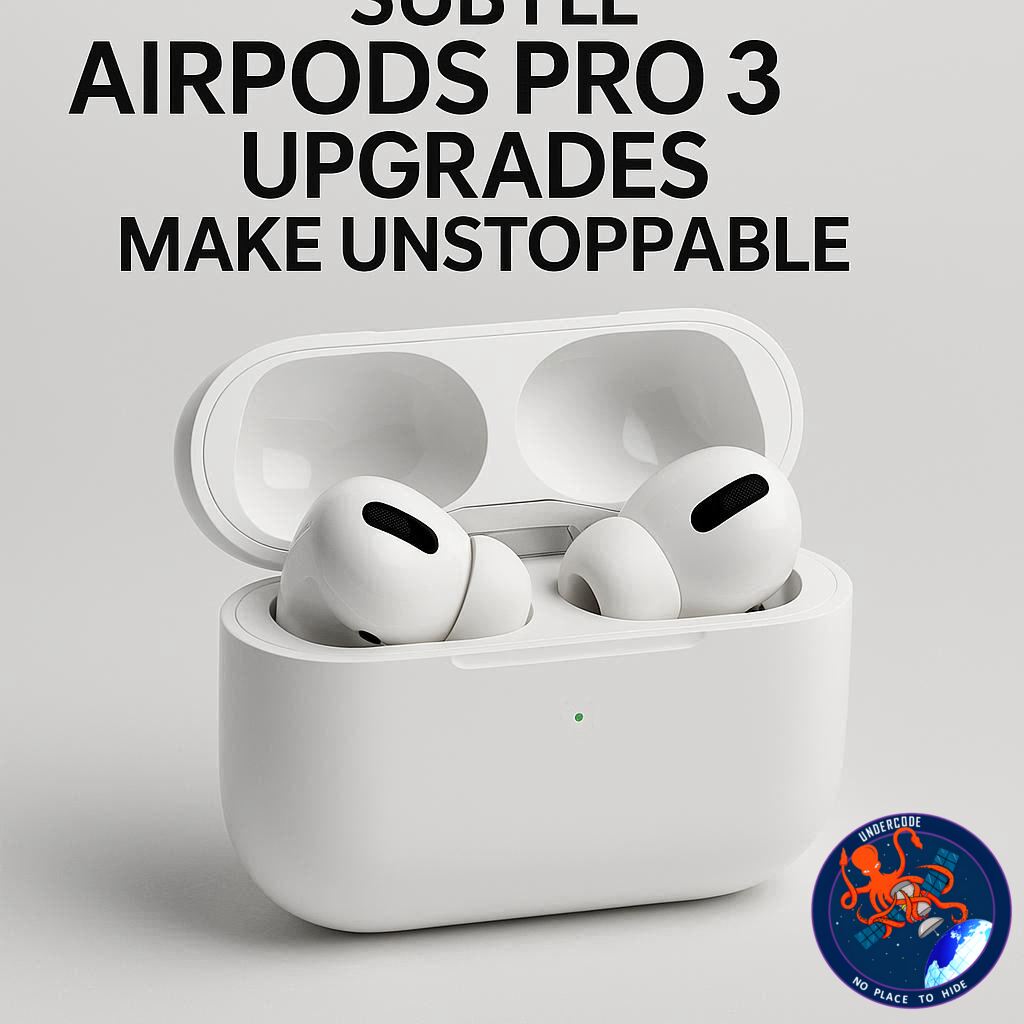
Apple fans are buzzing with speculation as the iPhone 17 announcement approaches, but for true tech enthusiasts, the next-gen AirPods Pro 3 might steal the show. While the AirPods Pro 2 already deliver impressive audio performance and smart features, there’s a growing desire for meaningful, subtle upgrades that would elevate the listening experience from great to exceptional. Rumors suggest everything from a full redesign and live translation capabilities to temperature sensing, but some understated improvements could have the biggest impact on daily use: smarter adaptive noise reduction, enhanced heart rate monitoring, and superior device tracking.
Smarter Adaptive Noise Reduction
The AirPods Pro 2 introduced adaptive noise reduction in 2023, powered by Apple’s H2 chip and iOS 17. This AI-driven feature intelligently adjusts noise cancellation based on your surroundings, while also enabling Conversation Mode to pause music when someone speaks to you. Despite this, users still notice minor delays, and the adaptive audio isn’t as smooth as competitors like Bose’s QuietComfort Ultra Earbuds 2. An upgraded H3 processor could refine the algorithms, making noise cancellation faster, more intuitive, and more responsive, offering a seamless listening experience even in chaotic environments.
Improved Heart Rate Sensing
Heart rate tracking in Apple’s earbuds started with the Beats Powerbeats Pro 2, where early users reported connectivity errors, inaccurate readings, and limited app support. While the AirPods Pro 2 inherited this functionality, tracking has room for improvement. Accurate heart rate sensing without reliance on premium fitness apps would make the earbuds far more valuable for everyday health monitoring. Enhancements here could allow better integration with Apple Health, offering continuous, reliable tracking that complements fitness routines without requiring subscriptions.
Enhanced Device Tracking
AirPods Pro 2 come with a U1 ultra-wideband chip for precise Find My app tracking. However, Apple’s newer U2 chip, available in iPhone 15 models and the latest Apple Watches, promises longer-range and more energy-efficient device location. Pairing AirPods Pro 3 with the U2 chip would allow users to locate earbuds faster and with less effort, even across rooms or around a home, making lost earbuds a minor inconvenience rather than a daily frustration. This upgrade would particularly benefit anyone prone to misplacing small devices, offering true peace of mind.
What Undercode Say:
Apple’s approach to AirPods Pro 3 may prioritize refinement over flashy features. While redesigns and new gimmicks generate headlines, the upgrades that could genuinely redefine the user experience are subtle but transformative. Smarter adaptive noise reduction would turn environmental audio handling into an almost invisible, seamless process, bridging the gap with premium competitors. The lag in Conversation Mode may seem trivial, but for someone navigating crowded offices or commuting, reducing that delay could significantly enhance usability.
Heart rate sensing improvements are about trust and reliability. Users currently face skepticism over biometric accuracy, but a refined algorithm could convert the earbuds into legitimate fitness companions. Apple has the data ecosystem advantage: integrating advanced metrics directly with Health without forcing subscriptions could expand appeal to a much broader audience. This is particularly relevant as wearable health tech becomes mainstream and expectations for continuous tracking rise.
Device tracking, often overlooked, is another critical enhancement. Many users lose earbuds daily, and a robust U2 chip could alleviate this minor yet recurring frustration. Beyond convenience, precise tracking opens opportunities for more contextual smart features—think automated audio adjustments when moving between rooms or locations, or proactive notifications if your earbuds leave a geofenced area.
The combination of adaptive noise reduction, heart rate sensing, and precise tracking represents a shift from purely auditory improvements to holistic utility. It reflects Apple’s subtle mastery in creating products that integrate seamlessly into daily life, rather than simply delivering isolated features. While flashy capabilities like live translation or temperature sensing capture headlines, these quiet, user-focused refinements could drastically improve satisfaction and retention.
Apple’s incremental improvements might also influence competitor innovation. Bose and Sony have traditionally pushed audio quality, but health tracking and UWB integration remain Apple’s domain. By raising the bar in these subtle areas, Apple could redefine expectations for what premium earbuds should do—not just in sound, but in intelligent adaptation to lifestyle needs.
Ultimately, AirPods Pro 3 could feel less like a new gadget and more like an indispensable extension of personal tech. Everyday improvements—smoother noise cancellation, accurate heart monitoring, effortless location tracking—cater to tangible user pain points. While these may seem small individually, collectively they could transform the AirPods Pro experience from impressive to essential. Apple has an opportunity to prove that thoughtful, quiet innovation often outweighs headline-grabbing gimmicks.
Fact Checker Results:
Adaptive noise reduction currently lags behind Bose in AI processing ✅
Heart rate sensing in Powerbeats Pro 2 had accuracy issues, likely improved in newer models ✅
UWB tracking range can extend up to 60 meters with U2-equipped devices ✅
Prediction
AirPods Pro 3 are likely to focus on incremental yet high-impact improvements: H3-powered adaptive audio, reliable heart rate monitoring integrated with Health, and upgraded UWB tracking for faster, longer-range device location. These subtle changes could position Apple as the undisputed leader in smart, lifestyle-integrated earbuds, appealing to both audio purists and health-conscious users.
🕵️📝✔️Let’s dive deep and fact‑check.
References:
Reported By: www.zdnet.com
Extra Source Hub:
https://www.discord.com
Wikipedia
OpenAi & Undercode AI
Image Source:
Unsplash
Undercode AI DI v2
🔐JOIN OUR CYBER WORLD [ CVE News • HackMonitor • UndercodeNews ]
📢 Follow UndercodeNews & Stay Tuned:
𝕏 formerly Twitter 🐦 | @ Threads | 🔗 Linkedin | 🦋BlueSky | 🐘Mastodon


