
Listen to this Post
Introduction
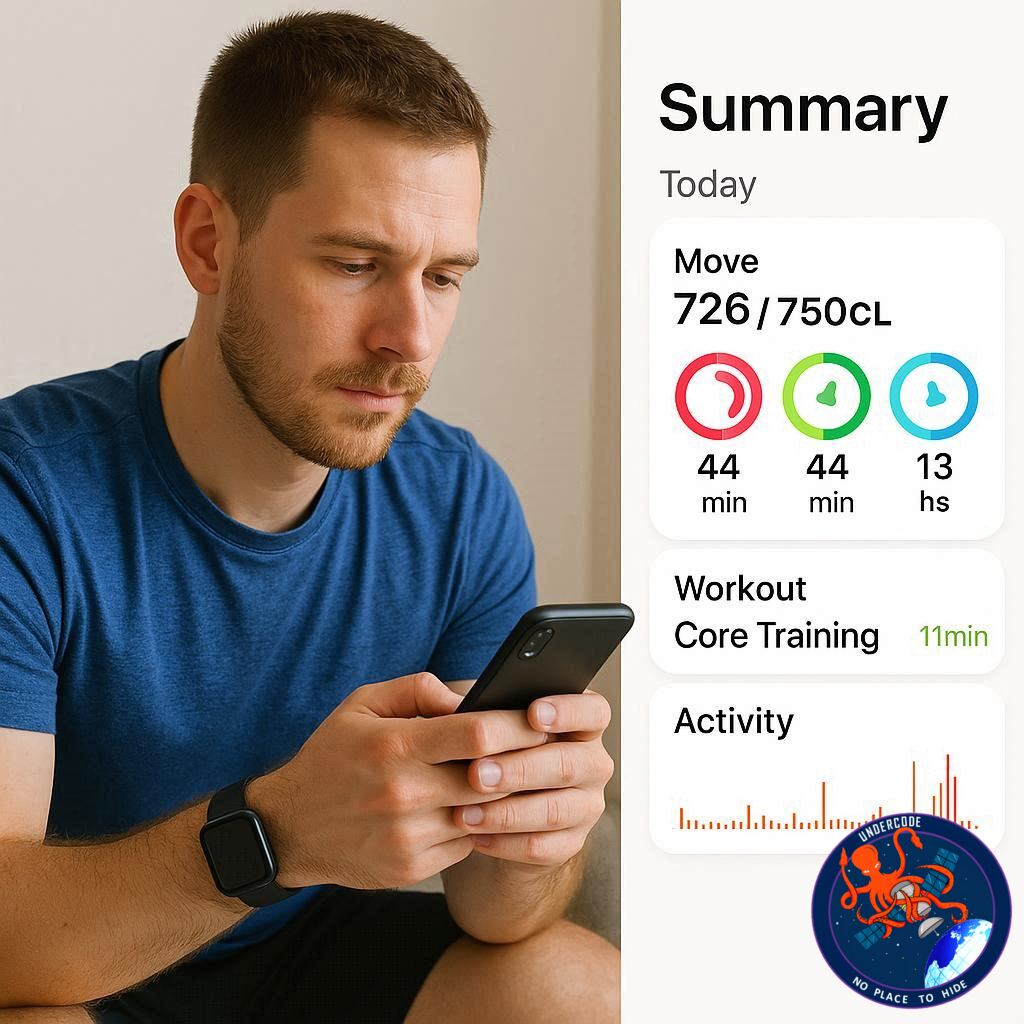
In today’s fast-paced world, fitness tracking has become more than just counting steps—it’s about understanding the bigger picture of your health. With Apple Watch and Apple Health leading the way in wearable fitness tracking, a new indie app called SUMRY is making waves by turning raw workout data into meaningful stories. Whether you’re a casual jogger or a dedicated cyclist, SUMRY takes your Apple Health data and transforms it into easy-to-read, visually engaging summaries that highlight your progress and activity trends.
Full Summary
SUMRY is featured in the Indie App Spotlight series, highlighting its ability to revolutionize how Apple Watch users interact with their fitness data. Unlike traditional fitness apps that require manual input, SUMRY integrates seamlessly with Apple HealthKit, automatically fetching your workouts.
Users can create summaries in two ways: by selecting specific workouts or by choosing a time period. This flexibility lets you zoom in on certain activities—like running or cycling—or take a broader look at overall performance.
The summaries generated are rich in detail, showing calories burned, steps taken, miles biked, and even how often different workouts were completed. More than just numbers, SUMRY presents maps that overlay your routes, giving you a visual representation of where your fitness journey has taken you.
For Apple Watch users obsessed with closing their rings, SUMRY also includes this data in its summaries, making it easier to track progress and consistency.
SUMRY is free to download on iOS 17.6 and above. The free version provides unlimited summaries, making it surprisingly generous compared to many other apps. For those seeking advanced features—like ad-free usage, filters, comparisons, and folders—SUMRY+ is available for just \$0.99/month, \$8.99/year, or a one-time \$14.99 purchase.
Alongside this, the article also promoted upcoming Apple products such as the AirPods Pro 3 (\$249), Apple Watch SE 3 (\$249–\$279), Apple Watch Series 11 (\$399–\$429), and the Apple Watch Ultra 3 (\$799).
Overall, SUMRY stands out as a clean, intuitive, and affordable way to make sense of Apple Health data, appealing to both casual users and fitness enthusiasts alike.
What Undercode Say:
The rise of indie fitness apps like SUMRY represents a shift in how users want to engage with their health data. Rather than endless dashboards and raw metrics, people crave storytelling with data—a narrative that makes their workouts feel purposeful.
SUMRY bridges this gap by offering personalized summaries that highlight patterns, achievements, and areas for improvement. This is where it outshines Apple’s default Health app, which often feels clinical and overwhelming. By breaking down workouts into easy-to-digest insights, SUMRY taps into the psychology of motivation. Seeing a colorful map of your run or a breakdown of calories across different workouts creates a sense of accomplishment that numbers alone can’t deliver.
From a market perspective, SUMRY+’s pricing strategy is clever. At under \$1/month, it undercuts many fitness apps that charge \$10–\$20 per month. By also offering a lifetime option at \$14.99, it appeals to users who dislike subscriptions. This hybrid pricing model ensures recurring revenue while also catering to one-time buyers.
Another standout feature is its integration with Apple’s ecosystem. By leveraging HealthKit, SUMRY eliminates friction. Many apps falter because they require manual logging, which discourages consistent use. SUMRY’s automated system ensures engagement without effort, which is critical for long-term retention.
Looking at consumer behavior, there’s a growing trend toward data centralization. Users don’t want five apps for running, cycling, and gym workouts—they want one place to see everything. SUMRY fits into this demand by aggregating all activity data into cohesive summaries.
From a design standpoint, SUMRY emphasizes visual clarity. The inclusion of maps, progress charts, and ring-closure stats plays into gamification, a proven strategy for boosting motivation. Fitness becomes less of a chore and more of a story worth tracking.
The app also capitalizes on the indie app wave—a movement where small developers challenge big tech by focusing on niche user needs. While Apple Health is broad, SUMRY is focused, making it a strong companion app rather than a competitor.
Overall, SUMRY demonstrates that indie apps can compete with tech giants when they deliver value, simplicity, and personalization. As Apple continues to expand its health ecosystem, SUMRY positions itself as a must-have companion for fitness enthusiasts who crave more than just numbers.
Fact Checker Results ✅❌
✅ SUMRY works with Apple HealthKit and automates data collection.
✅ The app is free with optional SUMRY+ upgrades.
❌ SUMRY does not replace Apple Health—it complements it by offering summaries.
Prediction 🔮
The future of fitness tracking is moving toward personalized health storytelling. SUMRY is likely to inspire a wave of similar apps that transform data into engaging narratives. As more users demand insights rather than raw metrics, Apple could even take cues from indie apps like SUMRY and build more narrative-driven features into its Health app. If SUMRY maintains its innovation, it could grow from a niche indie app into a widely recognized companion for Apple Watch users worldwide.
🕵️📝✔️Let’s dive deep and fact‑check.
References:
Reported By: 9to5mac.com
Extra Source Hub:
https://www.medium.com
Wikipedia
OpenAi & Undercode AI
Image Source:
Unsplash
Undercode AI DI v2
🔐JOIN OUR CYBER WORLD [ CVE News • HackMonitor • UndercodeNews ]
📢 Follow UndercodeNews & Stay Tuned:
𝕏 formerly Twitter 🐦 | @ Threads | 🔗 Linkedin | 🦋BlueSky | 🐘Mastodon


