
Listen to this Post
Introduction
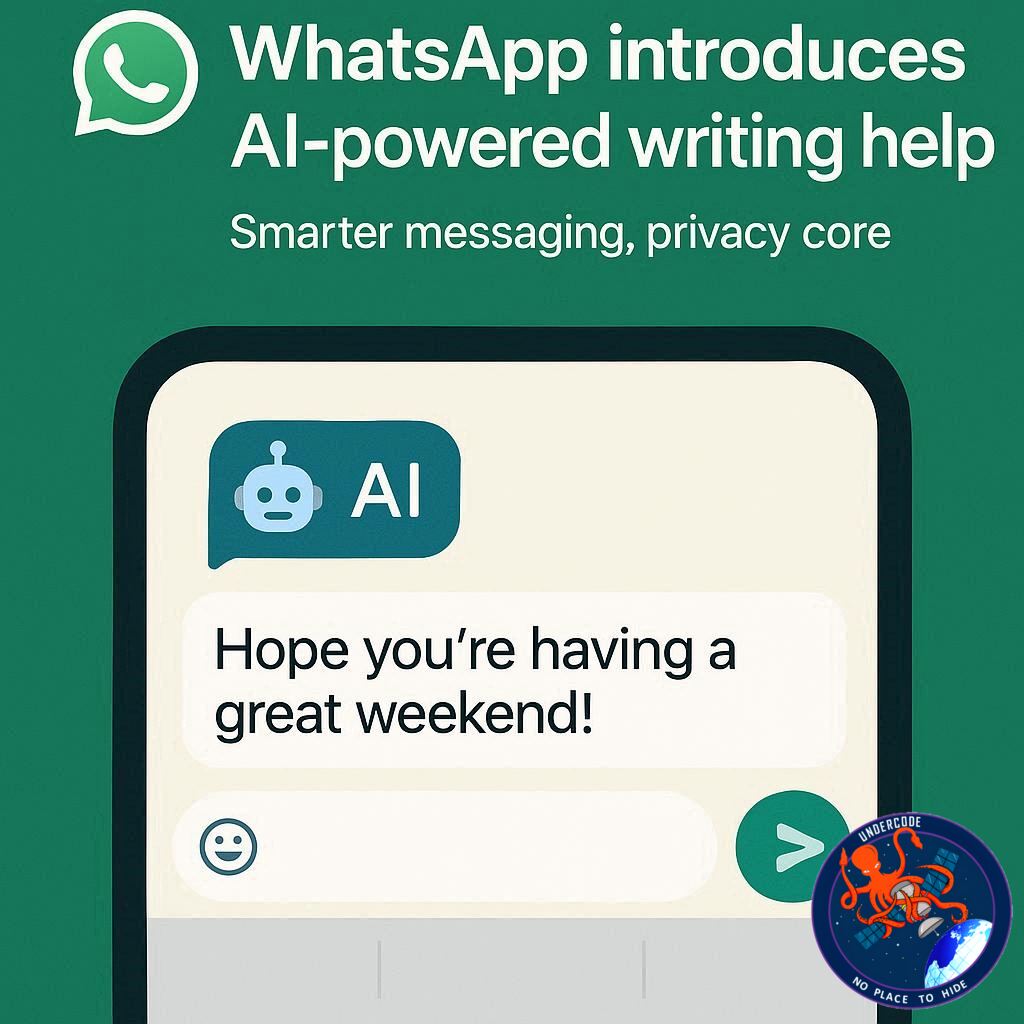
WhatsApp, the world’s most widely used instant messaging app, has rolled out an innovative new feature that blends artificial intelligence with everyday communication. Known as “Writing Help,” this tool gives users the ability to rephrase messages, refine tone, and even add humor — all without compromising privacy. In a time when digital conversations often set the tone for personal and professional relationships, this feature positions WhatsApp as more than just a messenger app — it becomes a communication assistant.
the
WhatsApp’s new Writing Help feature allows users to rewrite their text messages with AI assistance. The tool provides different styles of rephrasing such as professional, funny, or supportive, helping people craft messages that fit the right mood or situation. For example, instead of bluntly saying, “Please don’t leave dirty socks on the sofa,” the AI can make it more playful with alternatives like “Please don’t make the sofa a sock graveyard” or “Hey, sock ninja, the laundry basket is that way!”
Accessing the feature is simple: users just need to tap on a pencil icon while drafting a message, instantly opening options to rephrase without leaving the chat.
WhatsApp emphasizes that privacy remains central to this tool. The feature runs on Meta’s Private Processing technology, meaning both the original and AI-suggested messages remain encrypted. Neither Meta nor WhatsApp can read user content, ensuring that conversations stay private.
In its official statement, the company also encouraged users to explore the technical background of this innovation via their engineering blog and white paper. Currently, the feature is only available in select countries and works only in English, but a wider rollout is expected.
What Undercode Say:
The introduction of Writing Help marks a strategic move for WhatsApp at a time when messaging platforms are racing to integrate AI-driven capabilities. This isn’t just about convenience — it’s about shaping how people express themselves in a digital-first world.
The human angle is particularly fascinating. Many users struggle to find the right words when addressing sensitive topics — whether it’s sending a professional apology, drafting a romantic message, or softening criticism. AI here acts like a communication coach, giving users confidence while keeping the authenticity of their voice intact.
From a business perspective, this feature can help WhatsApp deepen engagement. Instead of being a passive medium, the app actively participates in shaping communication. This increases user reliance and reduces friction that might push people toward competitors with built-in AI assistants.
The privacy-first approach is also a clever move. Meta has faced years of criticism over data handling, and introducing AI without compromising encryption sets a precedent in balancing innovation with trust. By highlighting that neither Meta nor WhatsApp can access user texts, the company addresses the biggest fear users have when AI meets messaging.
However, there are potential downsides. Over-reliance on AI for crafting personal communication could dilute authenticity. If everyone starts sending witty, polished AI-generated messages, conversations may feel less genuine. The challenge for WhatsApp will be ensuring AI enhances rather than replaces real human expression.
On a global scale, this is just the beginning. Currently limited to English, the feature will need to expand into multiple languages to fully tap into WhatsApp’s diverse user base, particularly in regions like India, Brazil, and parts of Africa, where the app dominates. Localization of humor, tone, and cultural nuances will be key in making Writing Help feel natural rather than forced.
In terms of competitive positioning, WhatsApp is signaling that it doesn’t just want to be a secure messenger but also a smart productivity and lifestyle tool. Rivals like Telegram or Signal have not yet ventured deep into AI-driven language assistance, giving WhatsApp a first-mover advantage in the mainstream messaging space.
Overall, Writing Help reflects a growing trend where AI personalizes communication at scale. Just as autocorrect once changed how we type, this could reshape how we express tone and intent in messaging. If executed well, it might become one of WhatsApp’s most impactful updates since the introduction of end-to-end encryption.
🔍 Fact Checker Results
✅ WhatsApp has officially launched Writing Help powered by AI.
✅ The feature currently supports only English and is available in select regions.
✅ Privacy is protected by Meta’s Private Processing technology with end-to-end encryption.
📊 Prediction
The Writing Help feature will likely expand to more languages within the next year, especially Spanish, Hindi, and Portuguese — covering WhatsApp’s largest user bases. As users adopt AI-assisted communication, we may see a cultural shift where polished, witty, or empathetic messages become the norm. Businesses may also leverage this tool for customer engagement, pushing WhatsApp closer to being an AI-powered communication hub rather than just a chat app.
🕵️📝✔️Let’s dive deep and fact‑check.
References:
Reported By: timesofindia.indiatimes.com
Extra Source Hub:
https://www.quora.com
Wikipedia
OpenAi & Undercode AI
Image Source:
Unsplash
Undercode AI DI v2
🔐JOIN OUR CYBER WORLD [ CVE News • HackMonitor • UndercodeNews ]
📢 Follow UndercodeNews & Stay Tuned:
𝕏 formerly Twitter 🐦 | @ Threads | 🔗 Linkedin | 🦋BlueSky | 🐘Mastodon


