
Listen to this Post
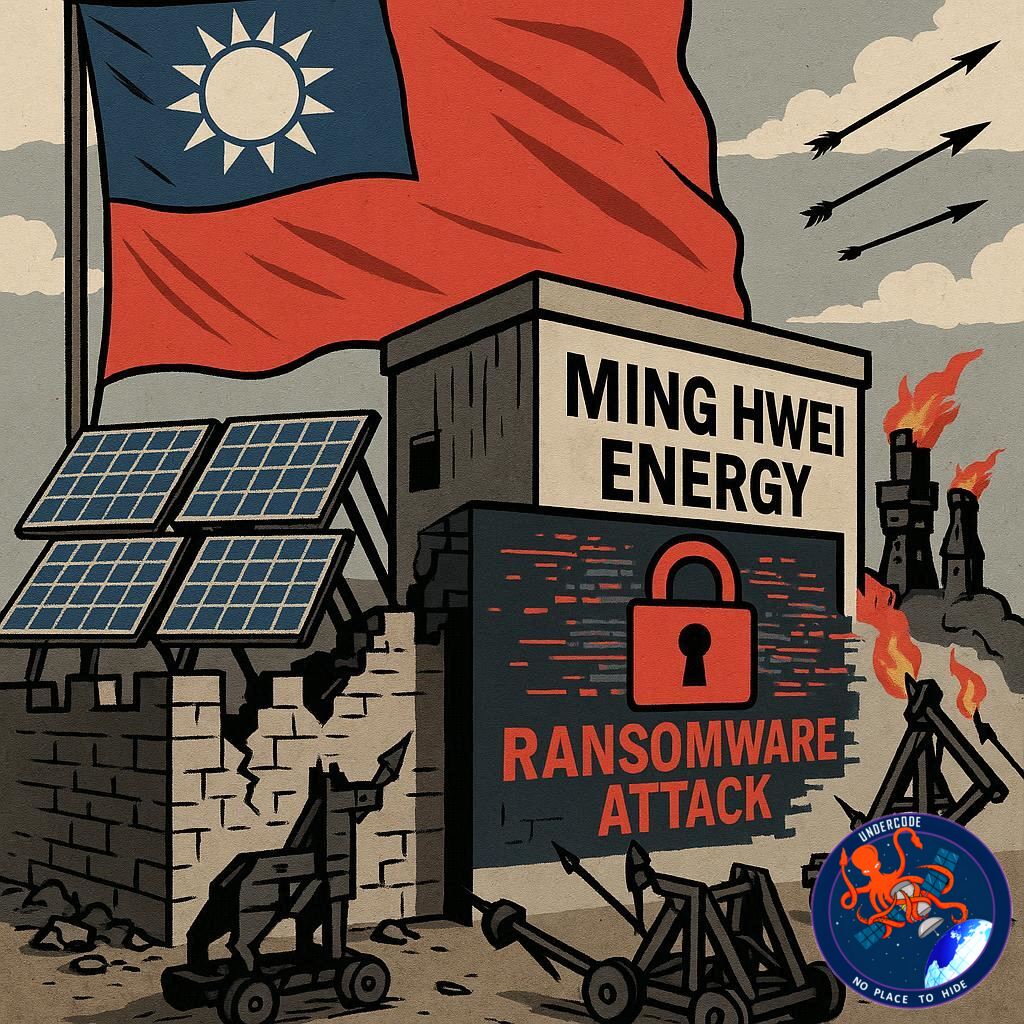
Introduction: A Silent Cyber Blow to a Struggling Industry
In an era where renewable energy is rapidly expanding, cybersecurity threats are quietly becoming one of the most dangerous obstacles facing the sector. A recent ransomware attack targeting Ming Hwei Energy, a relatively small solar cell manufacturer based in Taiwan, highlights how vulnerable even critical green energy players can be. Discovered in March 2026, the attack disrupted operations at a time when the company was already battling intense pricing pressure from Chinese competitors. This incident underscores a growing trend: cybercriminals are increasingly targeting industries that are already economically strained, amplifying the damage far beyond digital systems.
the Original Incident
Ming Hwei Energy, a Taiwanese solar cell manufacturer, recently fell victim to a ransomware attack attributed to the Exitium ransomware group. The breach was identified in March 2026 and immediately caused operational disruptions within the company. While detailed technical specifics of the attack remain limited, the consequences were significant enough to interfere with the company’s production and business continuity.
This cyberattack comes at a particularly vulnerable time for Ming Hwei Energy. The company operates in a highly competitive solar energy market, where Chinese manufacturers dominate with aggressive pricing strategies. These competitive pressures have already squeezed margins for smaller players like Ming Hwei, leaving little room for financial or operational setbacks.
The ransomware attack appears to have compounded these existing challenges. By disrupting internal systems, the attackers effectively halted or slowed down production processes, potentially delaying shipments and damaging customer relationships. For a company already struggling to maintain competitiveness, such interruptions can have cascading effects on revenue and long-term viability.
In parallel, broader cybersecurity discussions have surfaced around vulnerabilities in enterprise environments, particularly within Active Directory infrastructures. Misconfigurations in Discretionary Access Control Lists (DACLs) have been identified as a critical weakness that attackers can exploit. These misconfigurations allow low-privileged users to escalate their access rights, potentially gaining full administrative control over systems.
Techniques such as ForceChangePassword abuse, FullControl exploitation, and DCSync attacks are commonly used in such scenarios. These methods enable attackers to manipulate credentials, replicate domain controller data, and ultimately compromise entire networks. Monitoring specific Windows Event IDs and tracking unusual DCSync activity are recommended as essential defensive measures.
Taken together, the Ming Hwei Energy incident and the highlighted Active Directory vulnerabilities illustrate a broader cybersecurity landscape where operational technology and IT systems are increasingly intertwined—and equally exposed to sophisticated threats.
What Undercode Say:
A Perfect Storm of Economic and Cyber Pressure
The Ming Hwei Energy attack is not just a random cyber incident—it represents a convergence of economic fragility and cybersecurity neglect. Smaller manufacturers often lack the robust security infrastructure of larger corporations, making them attractive targets for ransomware groups. When combined with already thin profit margins, even a short operational disruption can push such companies toward financial instability.
Why Ransomware Groups Target Smaller Players
Contrary to popular belief, attackers do not always go after the biggest corporations. Smaller firms like Ming Hwei Energy are often easier to breach due to limited cybersecurity budgets, outdated systems, and weaker monitoring capabilities. These organizations are also more likely to pay ransoms quickly to resume operations, making them lucrative targets.
The Strategic Timing of Cyberattacks
Timing plays a critical role in maximizing the impact of ransomware attacks. Launching an attack during periods of economic stress—such as intense competition or supply chain instability—ensures that the victim has fewer options for recovery. In Ming Hwei Energy’s case, the ongoing pricing war with Chinese manufacturers amplified the damage.
Operational Technology: The Hidden Weak Link
Solar manufacturing relies heavily on interconnected systems, including operational technology (OT) environments. These systems are often less secure than traditional IT networks, yet they are critical for production. A ransomware attack that infiltrates OT can halt manufacturing lines entirely, leading to immediate financial losses.
The Growing Risk in Renewable Energy Infrastructure
As countries push toward greener energy solutions, the renewable sector is becoming a prime target for cybercriminals. Disrupting energy production—even at a small scale—can have broader implications for supply chains and national energy goals. This makes companies like Ming Hwei Energy strategically significant targets.
Active Directory Misconfigurations: A Silent Threat
The mention of DACL misconfigurations is not incidental. Active Directory remains the backbone of many corporate networks, and mismanagement of permissions can open the door to catastrophic breaches. Attackers often exploit these weaknesses to escalate privileges without triggering immediate alarms.
The Danger of Privilege Escalation Techniques
Techniques such as ForceChangePassword and DCSync are particularly dangerous because they allow attackers to operate with high-level access while remaining relatively undetected. Once domain-level control is achieved, the attacker can deploy ransomware across the entire network in a coordinated manner.
Detection Challenges and Monitoring Gaps
One of the biggest issues organizations face is detecting these attacks early. Monitoring Event IDs and identifying unusual replication activity requires advanced logging and skilled analysts—resources that smaller companies often lack. This creates a significant blind spot in their security posture.
Financial Impact Beyond the Ransom
The cost of a ransomware attack extends far beyond the ransom payment. Downtime, reputational damage, lost contracts, and recovery expenses can collectively exceed the initial demand. For a company already under economic pressure, these costs can be devastating.
The Role of Cyber Hygiene in Prevention
Basic cybersecurity practices—such as regular audits, least-privilege access controls, and network segmentation—can significantly reduce the risk of such attacks. However, these measures are often overlooked due to budget constraints or lack of awareness.
Lessons for the Broader Industry
The Ming Hwei Energy incident serves as a warning for the entire renewable energy sector. Companies must recognize that cybersecurity is not optional—it is a fundamental component of operational resilience. Investing in security measures is no longer just a technical decision; it is a strategic necessity.
Fact Checker Results
Verified Disruption and Timing
✅ The ransomware attack on Ming Hwei Energy was reported in March 2026 and did disrupt operations, aligning with known ransomware impact patterns.
Active Directory Exploitation Risks
✅ DACL misconfigurations and techniques like DCSync are well-documented cybersecurity threats used in real-world attacks.
Market Pressure Context
❌ While Chinese pricing competition is real, the direct financial impact on Ming Hwei Energy specifically is inferred rather than publicly quantified.
Prediction
Increasing Cyberattacks on Renewable Energy Firms
The renewable energy sector will likely see a surge in targeted ransomware attacks as it becomes more critical to national infrastructure.
Shift Toward Proactive Cybersecurity Investments
Smaller manufacturers will begin prioritizing cybersecurity spending, especially after witnessing the cascading effects of incidents like this.
Regulatory Pressure and Compliance Expansion
Governments may introduce stricter cybersecurity regulations for energy companies, requiring mandatory audits and incident reporting.
Rise of Sophisticated Attack Techniques
Attackers will continue refining privilege escalation methods, making early detection even more challenging for underprepared organizations.
Consolidation in the Solar Industry
Smaller companies unable to withstand both economic and cyber pressures may be forced into mergers or acquisitions, reshaping the competitive landscape.
🕵️📝✔️Let’s dive deep and fact‑check.
References:
Reported By: x.com
Extra Source Hub (Possible Sources for article):
https://www.reddit.com
Wikipedia
OpenAi & Undercode AI
Image Source:
Unsplash
Undercode AI DI v2
Bing
🔐JOIN OUR CYBER WORLD [ CVE News • HackMonitor • UndercodeNews ]
📢 Follow UndercodeNews & Stay Tuned:
𝕏 formerly Twitter 🐦 | @ Threads | 🔗 Linkedin | 🦋BlueSky | 🐘Mastodon


