
Listen to this Post
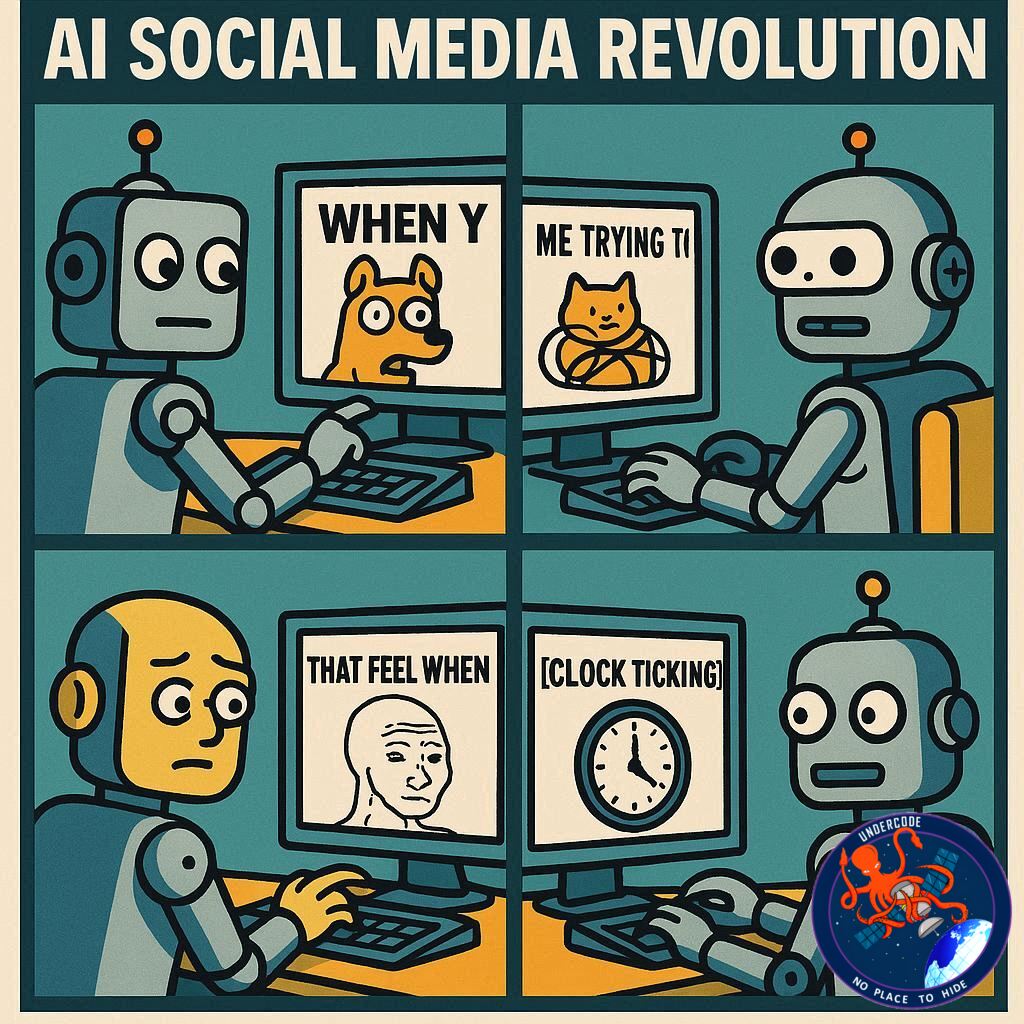
🌐 Introduction: The Wild New World of AI-Generated Social Media
Welcome to the dawn of an internet era where imagination meets automation. From dancing cats in streetwear to babies outrunning dinosaurs—all created by artificial intelligence—social media is undergoing a radical transformation. Big Tech companies are racing to integrate AI into their platforms, promising creativity and chaos in equal measure. But as this new digital frontier unfolds, it’s also sparking debates about misinformation, copyright violations, and the blurring line between human and machine-made content.
🧩 The Rise of AI-Driven Social Media Platforms
A bizarre mix of surreal imagery—like a baby sprinting from a T-Rex to the beat of Lady Gaga—has taken over the internet, thanks to AI. These strange yet fascinating visuals are emerging from apps like ChatGPT’s Sora, Meta’s Vibes, and TikTok’s AI Alive. Each aims to redefine how we interact with social media by letting AI create or enhance user content.
This movement signals the start of an intense tech arms race where companies are scrambling to become the dominant AI-powered content hub. While AI integration promises innovation, it’s also pushing platforms into murky ethical waters. Copyright issues, fake content, and deepfake fears are already running rampant.
⚖️ The Legal and Ethical Chaos of AI Creations
As AI-generated videos flooded feeds, the Motion Picture Association raised red flags. Films, shows, and character likenesses were being replicated without permission on platforms like OpenAI’s Sora. In response, OpenAI pledged tighter content controls and a possible revenue-sharing system to compensate rights holders.
Yet, even with these guardrails, the threat persists. Sora’s ability to produce lifelike videos makes it difficult to distinguish between reality and fabrication. Watermarks meant to identify AI-generated media can be easily removed, worsening the misinformation crisis that already plagues social platforms.
🔍 Tracking AI Content: Metadata, Labels, and Detection Tools
To combat fakery, companies like OpenAI and Meta are embedding invisible or encrypted watermarks into AI content. Sora uses C2PA metadata, an industry standard that tags videos with their origin data, while Meta applies “invisible watermarks” and AI labels. These measures aim to hold AI creators accountable—but their effectiveness remains questionable when tampered or stripped metadata can easily go unnoticed.
🧠 The Impact on Mental Health and Teen Safety
Beyond copyright, there’s a darker side: AI chatbots’ influence on young users. Lawsuits claim apps like Character.AI may have contributed to mental health struggles and even suicides among teens. In defense, OpenAI insists Sora includes “stronger protections for young users,” such as restricting adult contact and mature content. Meta echoes this approach, limiting exposure between suspicious adults and teen users. Still, critics warn that the psychological impact of interacting with hyperreal AI personas remains underexplored and potentially dangerous.
📱 Do Users Even Want AI Social Media?
While AI may fascinate developers, users aren’t fully convinced. Many find the randomness of AI-generated content—like macaroni-and-cheese arrests or cartoon chaos—more confusing than entertaining. Some users are also alarmed to learn that personal conversations with AI on platforms like Meta could appear publicly unless manually restricted.
AI social media platforms are not about endless scrolling—they aim to inspire users to create content. Yet, their resemblance to TikTok and other short-form apps suggests that these AI tools still want to become the next major entertainment destination.
💡 The Future of AI Meets Social Media
Whether we like it or not, AI is reshaping social platforms. This new digital hybrid blurs the boundaries between creation and consumption, transforming social media into a space where anyone—or anything—can be a creator. However, the question remains: are these tools empowering or overwhelming the user experience? For now, both excitement and skepticism define this new era of algorithmic creativity.
🤖 What Undercode Say:
AI-driven social platforms represent both a technological marvel and a social experiment. From a business standpoint, they mark the next evolution of online interaction, driven by automation, personalization, and virality. However, beneath the innovation lies a ticking ethical time bomb.
- Economic Impact: Big Tech sees AI-generated media as the next profit frontier. Ad revenues, influencer deals, and creative collaborations will hinge on who controls these AI ecosystems. Yet, monetization remains uncertain as copyright challenges and legal scrutiny intensify.
-
Cultural Shift: Social media once amplified human expression—now it’s about synthetic creativity. The influx of machine-generated memes and videos could redefine entertainment, eroding the traditional boundaries of originality.
-
Misinformation Threat: AI tools like Sora can fabricate realistic videos faster than fact-checkers can debunk them. This ability poses a severe threat to truth in journalism, politics, and everyday life. Without robust transparency, the public may soon struggle to trust what they see online.
-
Psychological Effects: The rise of virtual influencers and AI personas may distort self-perception and human relationships. Teenagers, especially, face heightened risks of emotional manipulation or dependency on non-human interactions.
-
Platform Competition: Meta, OpenAI, and TikTok are all vying to dominate the “AI social” niche. This competition could accelerate innovation but also risk fragmenting user trust if companies prioritize virality over safety.
-
Regulatory Pressure: Governments and watchdogs are starting to demand stricter laws around AI content labeling and accountability. The future may involve mandatory metadata tracking or real-time watermark verification systems.
-
Creative Freedom vs. Control: The debate is heating up—should AI-generated art be restricted, monetized, or open-sourced? Artists argue for protection; tech advocates argue for innovation. The balance will define the next chapter of internet culture.
Ultimately, AI social media is a mirror reflecting human desires for connection and creativity—but it also amplifies our flaws, biases, and ethical blind spots. The future of these platforms depends on whether tech leaders can build a space that fosters imagination without sacrificing integrity.
✅ Fact Checker Results
Major AI apps like Sora and Vibes have confirmed using watermarking and metadata for tracking.
Copyright complaints from the Motion Picture Association are verified and ongoing.
Claims about AI chatbots’ influence on teen mental health are supported by multiple lawsuits under judicial review.
🔮 Prediction
AI social media will continue to evolve, merging entertainment with artificial creativity. Within the next two years, expect hyper-realistic AI influencers, synthetic film scenes, and automated storytelling platforms to dominate digital spaces. But as the content flood grows, users will demand authenticity verification—making transparency, not creativity, the new social currency.
🕵️📝✔️Let’s dive deep and fact‑check.
References:
Reported By: edition.cnn.com
Extra Source Hub:
https://www.reddit.com/r/AskReddit
Wikipedia
OpenAi & Undercode AI
Image Source:
Unsplash
Undercode AI DI v2
🔐JOIN OUR CYBER WORLD [ CVE News • HackMonitor • UndercodeNews ]
📢 Follow UndercodeNews & Stay Tuned:
𝕏 formerly Twitter 🐦 | @ Threads | 🔗 Linkedin | 🦋BlueSky | 🐘Mastodon


