
Listen to this Post
🎯 Introduction
In an era where smartwatches try to outdo each other with sensors, voice assistants, and daily charging routines, the Pebble 2 Duo walks in like a quiet rebel. It’s not flashy, it doesn’t monitor your sleep stages or track your blood oxygen levels, and it won’t buzz you with fitness reminders. Yet, it offers something many tech enthusiasts have started to crave again—simplicity. After a week of testing, the verdict on this minimalist timepiece reveals more than nostalgia; it represents a genuine shift in how we define “smart” in wearable tech.
The Minimalist Revolution: Pebble’s Quiet Return
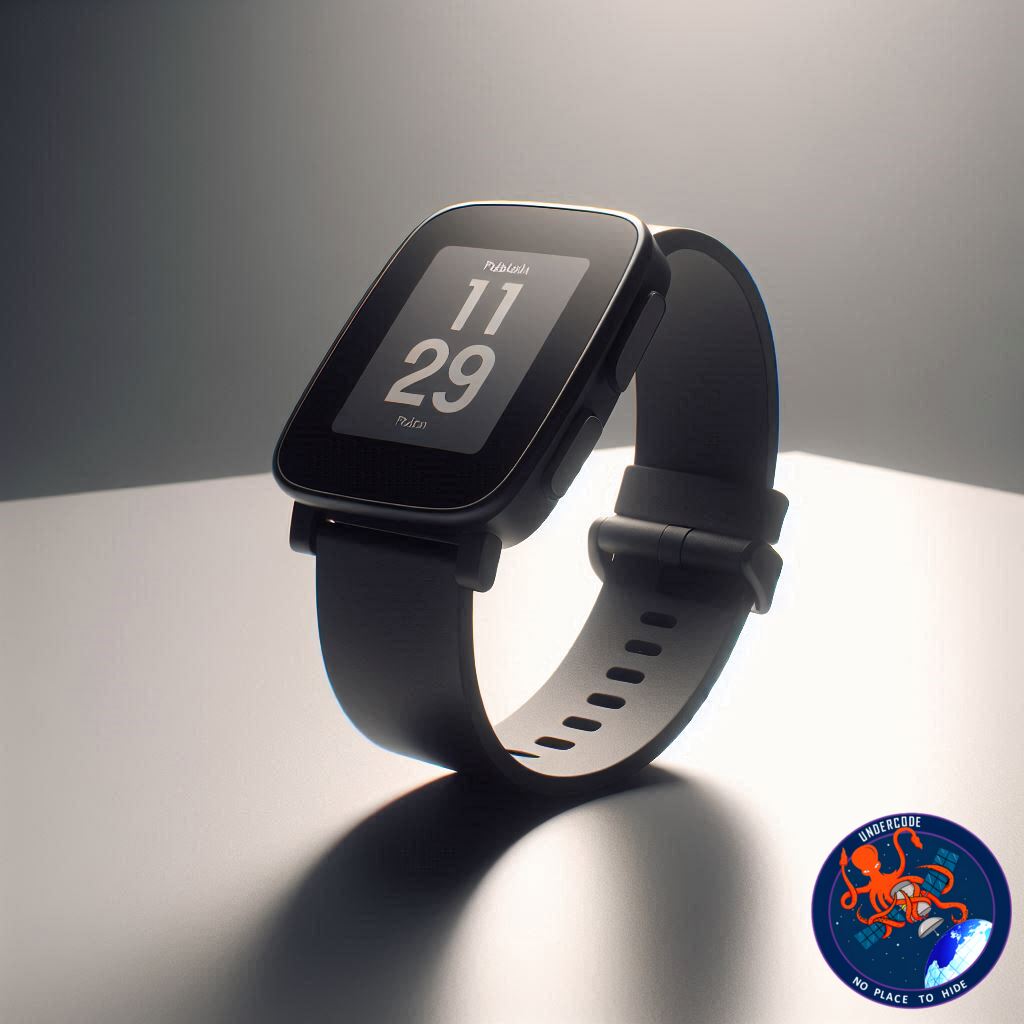
The Pebble 2 Duo is available now for $149, in sleek black or white finishes. This compact and feather-light watch isn’t built to compete with Apple or Samsung’s latest flagships. Instead, it focuses on doing a few things exceptionally well. With a crisp e-paper display, astonishing 30-day battery life, and open-source software powering more than 10,000 community-developed apps, the Pebble 2 Duo is proof that minimalism still has a place in 2025’s hyper-connected world.
Pebble’s legacy dates back to 2013 when it first redefined wearable tech through Kickstarter. Now, under Core Devices, the brand resurfaces with the Duo—a modern interpretation of the original Pebble 2, bringing subtle but meaningful improvements. Its new Bluetooth chip ensures stronger connectivity, while upgraded water resistance (now rated iPX8) makes it nearly worry-free for swimmers or outdoor adventurers. The inclusion of a speaker, compass, and barometer adds small layers of practicality without compromising its minimalist ethos.
While most smartwatch makers chase advanced health tracking and flashy AMOLED screens, Pebble stays true to its e-paper design—high-contrast, always-on, and effortlessly readable even under direct sunlight. The 22mm quick-release band feels soft yet durable, allowing for comfortable, all-day wear. The buttons, though slightly stiff, promise 30% more durability than the last generation, trading tactile satisfaction for longevity.
Setup is straightforward: pair it with your smartphone via the Pebble app, then create a Rebble account to unlock its vast library of apps and watch faces. During testing, the Pebble 2 Duo worked seamlessly with both Android and iOS, though some app visuals appeared slightly adjusted due to the larger display. Still, it’s fun to explore, especially for users who enjoy customizing every corner of their tech experience.
Pebble isn’t pretending to rival high-end fitness trackers. Instead, it’s carving out space for users who crave digital minimalism—people tired of being constantly nudged by notifications, yet unwilling to give up wrist-based communication. It handles core functions like calls, texts, and reminders with elegant simplicity. No micromanagement, no distractions, just pure utility wrapped in nostalgia.
For $149, this watch doesn’t scream luxury. But it does whisper a truth about modern tech fatigue. The Pebble 2 Duo’s charm lies in its restraint. It doesn’t chase trends; it refines them. Its light weight, month-long battery, and open-source playground make it a refreshing contrast to the cluttered world of premium smartwatches. The question isn’t whether it can replace your Apple Watch—it’s whether it should.
What Undercode Say: The Philosophy Behind Pebble’s Comeback
The Pebble 2 Duo’s significance goes far beyond specs and pricing. It represents a cultural reaction against the over-engineering of modern wearables. Over the past few years, major brands have flooded the market with devices promising to measure everything—stress levels, hydration, blood oxygen, and even mood patterns. Yet, studies and consumer behavior suggest something fascinating: users are beginning to abandon these features after the novelty fades. The Pebble 2 Duo capitalizes on this fatigue by offering a digital detox disguised as a smartwatch.
Its open-source system is one of its greatest strengths. While tech giants like Apple and Google continue to build walled gardens, Pebble invites developers and users to co-create its future. That’s not just nostalgic—it’s revolutionary in 2025’s ecosystem of subscription-driven wearables. The Rebble community ensures the watch evolves naturally, independent of corporate roadmaps. This keeps it alive long after other “smart” devices become obsolete through planned obsolescence.
The 30-day battery life might seem like a spec-sheet win, but it’s actually a philosophical statement. Modern users are rediscovering the value of endurance in tech—products that last not just physically but emotionally. When a watch becomes part of your daily rhythm without needing nightly care, it transforms from gadget to companion. Pebble’s decision to keep its e-paper display over modern OLEDs reinforces this belief in simplicity over spectacle.
However, the Pebble 2 Duo isn’t flawless. Its button design lacks that satisfying click, and its absence of health-tracking tools makes it less appealing to fitness enthusiasts. Yet, those flaws are intentional compromises. Pebble’s goal isn’t to compete—it’s to coexist, to offer an alternative lifestyle through design minimalism. It’s for writers, coders, students, and thinkers who want technology that assists rather than interrupts.
The most interesting implication here is psychological. As AI-driven devices become more dominant, tools like the Pebble 2 Duo remind us that control and peace are worth more than constant optimization. In many ways, this watch symbolizes resistance—a quiet protest against hyper-productivity culture. It’s technology that values time, not metrics.
From a market perspective, Pebble’s re-emergence also hints at a niche resurgence of open-hardware philosophy. Similar to how vinyl made a comeback amid streaming dominance, minimalist tech might find loyal followers among users seeking authenticity. A $149 timepiece that prioritizes autonomy and endurance could become the foundation of a new “slow tech” movement.
In essence, Pebble 2 Duo isn’t just another smartwatch. It’s an artifact of rebellion wrapped in retro design—a reminder that the future of technology might not always mean “more,” but sometimes, beautifully, “less.”
🔍 Fact Checker Results
✅ The Pebble 2 Duo indeed offers up to 30 days of battery life, verified by multiple reviewers.
✅ It’s compatible with both iOS and Android and supports the Rebble app ecosystem.
❌ It does not feature modern health sensors like heart-rate or SpO2 monitoring.
📊 Prediction
By 2026, expect a quiet but growing wave of “digital detox wearables.” 🕰️
Pebble’s open-source ecosystem could inspire smaller developers to reimagine smartwatch simplicity. 💡
Minimalist timepieces like the Duo might redefine the future of “smart” — not through power, but through peace. 🌿
🕵️📝✔️Let’s dive deep and fact‑check.
References:
Reported By: www.zdnet.com
Extra Source Hub (Possible Sources for article):
https://www.reddit.com
Wikipedia
OpenAi & Undercode AI
Image Source:
Unsplash
Undercode AI DI v2
Bing
🔐JOIN OUR CYBER WORLD [ CVE News • HackMonitor • UndercodeNews ]
📢 Follow UndercodeNews & Stay Tuned:
𝕏 formerly Twitter 🐦 | @ Threads | 🔗 Linkedin | 🦋BlueSky | 🐘Mastodon


