
Listen to this Post
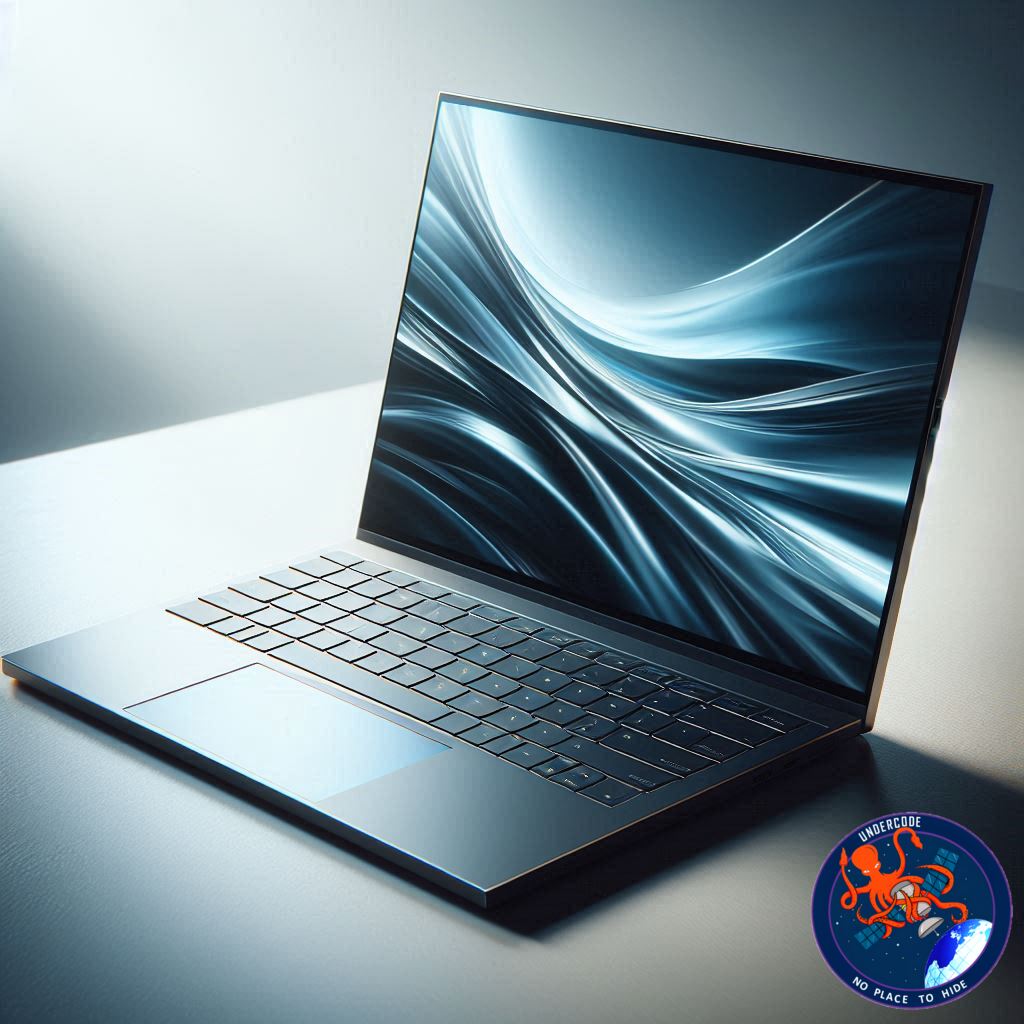
The Rise of the HP OmniBook 7 Aero
In a world dominated by sleek Lenovo ThinkPads and dependable Dell XPS models, HP has quietly redefined what an ultraportable Windows laptop can be. The HP OmniBook 7 Aero, priced at around $1,250, isn’t just another lightweight notebook; it’s a powerful, stylish machine that challenges the status quo of premium portability. With its AMD Ryzen AI 7 processor, stunning 2K display, and magnesium-aluminum design, this compact workhorse proves that HP’s comeback in 2025 is not by accident—it’s a calculated leap forward.
A New Contender in the Lightweight Arena
HP’s 2025 lineup has been impressive, from the EliteBook Ultra G1i to the Omen 32X Smart Monitor. But the OmniBook 7 Aero stands out as a near-perfect balance of beauty, practicality, and power. Weighing just 2.1 pounds—lighter than Apple’s M4 MacBook Air—it earns its “Aero” name. Though slightly thicker at 0.69 inches, that added depth allows for a superior port selection rarely seen on modern thin laptops: two USB-C ports, two USB-A ports, HDMI 2.1, and even a headphone jack.
The chassis, available in Glacier Silver and Ceramic White, exudes sophistication. The recycled magnesium-aluminum body feels rugged yet premium, giving off a subtle texture that distinguishes it from typical brushed-metal laptops. However, the weight distribution is uneven—dense in the center, a bit flimsy at the corners, and it fails the “one-finger lift test.” Still, that’s a minor flaw in what is otherwise an exceptional design.
The typing experience is satisfying, with raised keycaps and bold, legible lettering. Only the small touchpad might frustrate those used to larger trackpads, though it’s forgivable given the compact 13.3-inch form factor.
A Display That Delivers More Than Expected
HP’s 13-inch WQXGA (2560×1600) IPS display steals the spotlight. Covering the full sRGB color gamut, it offers vivid, lifelike visuals. The anti-glare coating ensures clarity under different lighting conditions, while the hinge design subtly elevates the keyboard for better ergonomics. Brightness peaks at 400 nits—adequate indoors, but not ideal for sunny outdoor work.
Surprisingly, the downward-facing speakers are a win. With DTS:X Ultra, HP Audio Boost, and Poly Studio enhancements, sound reproduction is clear, immersive, and detailed. The bass adds a pleasant punch rarely found in ultraportables, making movies and music playback a delight.
AMD Power Under the Hood
What truly separates the OmniBook 7 Aero from its predecessors and rivals is its performance. Powered by the AMD Ryzen 7 350 processor and Radeon 860M graphics with 32GB of RAM, it’s a multitasking powerhouse. Unlike its Snapdragon-based sibling, the OmniBook 5, this model effortlessly handles heavy workloads—graphic design, photo editing, and even video rendering feel smooth and lag-free.
In benchmark comparisons, the OmniBook 7 Aero ranks just below the elite HP G1a but delivers nearly the same real-world performance for a significantly lower price. Whether juggling 50 browser tabs, streaming HD video, or running productivity apps, this machine stays cool and quiet under pressure.
The Only Real Compromise: Battery Life
For all its strengths, the OmniBook 7 Aero falls short in endurance. Its battery life caps at roughly 10 hours—enough for a workday but far behind the 25-hour longevity of the OmniBook 5 or the Snapdragon X-powered OmniBook X 14. Frequent travelers might find themselves reaching for the charger sooner than expected.
Still, for professionals who prioritize portability, display quality, and performance over marathon battery life, the Aero is a near-perfect middle ground.
Verdict and Value
Normally priced at $1,250 but often discounted to around $840, the HP OmniBook 7 Aero is a stellar deal. It’s proof that HP can outshine both Lenovo and Dell in the ultraportable category when it focuses on refinement and balance. The design feels fresh, the performance is outstanding, and the display is among the best in its class. For those craving a lightweight powerhouse that doesn’t feel fragile, the OmniBook 7 Aero is a revelation.
What Undercode Say:
The HP OmniBook 7 Aero symbolizes a strategic shift in how HP positions itself against its heavyweight rivals. Lenovo has built its reputation on durability and business-focused reliability. Dell thrives on premium precision and innovation through its XPS series. But HP, through the OmniBook 7 Aero, finds the sweet spot between both worlds—an emotional design wrapped around logical engineering.
This device doesn’t try to imitate Apple or chase gimmicks; it quietly evolves the concept of a Windows ultraportable. Its magnesium-aluminum shell and featherlight design embody practical elegance. The inclusion of legacy ports shows HP’s awareness of real-world workflows—something minimalistic competitors sometimes overlook.
Performance-wise, HP’s decision to lean on AMD rather than Qualcomm or Intel feels prophetic. The Ryzen 7 350 and Radeon 860M combination is more adaptable, more application-friendly, and more reliable across traditional productivity tools. In an age when AI and ARM chipsets dominate marketing narratives, HP’s return to AMD efficiency and compatibility speaks to a different audience—those who care about doing the work, not just talking about it.
Yet, the Achilles’ heel remains battery life. HP seems to trade endurance for raw performance, a move that may not appeal to all users. However, the company’s focus on design ergonomics, vibrant display, and superior audio hints at an underlying truth: the OmniBook 7 Aero isn’t built for endurance marathons, it’s built for excellence in every short sprint throughout the day.
This model reflects how the ultraportable market is shifting. Users are no longer satisfied with “thin and light” alone—they demand tactile satisfaction, design authenticity, and performance synergy. HP’s 2025 lineup demonstrates that the brand has finally learned to merge aesthetics with purpose.
In the grand landscape of Windows laptops, the OmniBook 7 Aero emerges as a silent disruptor. It doesn’t boast the same brand magnetism as Lenovo or the luxury tag of Dell, yet it competes fiercely by offering what users subconsciously crave: trust, balance, and emotional design harmony.
HP may not have the same cult following as Apple or the business pedigree of Lenovo, but if it continues down this path, the OmniBook name could soon carry the same weight.
🔍 Fact Checker Results
✅ The HP OmniBook 7 Aero retails around $1,250, often discounted below $900.
✅ The model uses an AMD Ryzen AI 7 processor with Radeon 860M graphics and 32GB RAM.
❌ Battery life of “up to 25 hours” applies only to Snapdragon models, not the Aero variant.
📊 Prediction
💻 Expect HP to double down on AMD’s AI-focused chips in its 2026 models.
🔋 Battery optimization will become a top priority as consumer expectations shift toward hybrid performance.
🌍 If trends continue, HP’s OmniBook series may redefine Windows ultrabooks, rivaling Apple’s dominance in the lightweight market by 2026.
🕵️📝✔️Let’s dive deep and fact‑check.
References:
Reported By: www.zdnet.com
Extra Source Hub (Possible Sources for article):
https://www.instagram.com
Wikipedia
OpenAi & Undercode AI
Image Source:
Unsplash
Undercode AI DI v2
Bing
🔐JOIN OUR CYBER WORLD [ CVE News • HackMonitor • UndercodeNews ]
📢 Follow UndercodeNews & Stay Tuned:
𝕏 formerly Twitter 🐦 | @ Threads | 🔗 Linkedin | 🦋BlueSky | 🐘Mastodon


