
Listen to this Post
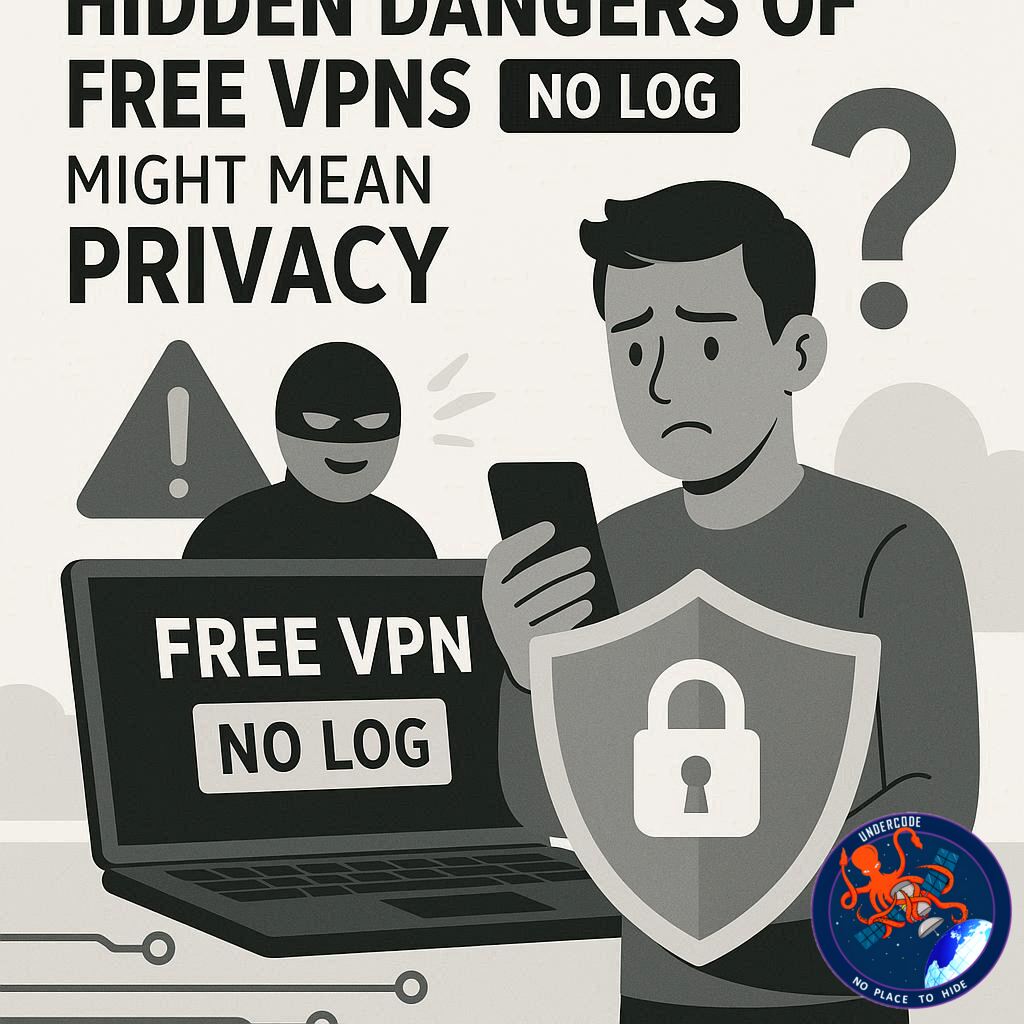
A Growing Problem in the VPN World
In a digital world where privacy is treated like currency, millions of users turn to free VPNs hoping for protection against hackers, data trackers, and government surveillance. But according to recent research by Zimperium zLabs, this trust may be gravely misplaced. Their findings reveal that out of 800 free VPNs analyzed, a shocking number offer “no real privacy at all.” Behind flashy interfaces and promises of anonymity lie dangerous permissions, unpatched libraries, and exploit-prone architectures that could expose users rather than protect them.
The research paints a disturbing picture: free VPNs are not just unreliable—they’re often unsafe. Many apps request excessive permissions, access to private APIs, and even the ability to read system logs, which could easily lead to data theft or spying. Some of these VPNs have outdated cryptographic libraries still vulnerable to well-known exploits such as Heartbleed, the same bug that once crippled the internet’s security backbone in 2014.
For millions who rely on VPNs to safeguard personal data, this revelation is a wake-up call. The study emphasizes that encryption is only as trustworthy as the company that provides it. And when that company’s business model relies on selling user data or cutting corners in security maintenance, the illusion of privacy becomes a dangerous trap.
What the Research Found
Zimperium’s study grouped security failures into five major categories, with over 65% of apps falling into the “risky behavior” bracket. Some VPNs could take covert screenshots, force apps into insecure states, or even inject malicious inputs into user devices. These are not minor oversights; they represent architectural flaws that could compromise entire systems.
The second most common issue involved overreaching permissions. Nearly 41% of VPNs demanded rights far beyond their purpose—like location access when inactive, or Android’s authenticator privileges. Even worse, several requested “read-logs” permission, which allows them to monitor every system event or user action, something legitimate apps should never do.
On iOS, the problems were just as alarming. Some 30 VPN apps were found requesting private entitlements, a feature reserved for Apple’s internal use. This permission could enable an app to execute unauthorized code or access sensitive system-level data, effectively bypassing iOS’s security sandbox.
Beyond permissions, outdated libraries proved another major risk. Some apps still use insecure versions of OpenSSL, exposing users to exploits like Heartbleed, which allows attackers to read memory contents directly from affected systems. The research also found communication vulnerabilities, with 1% of VPNs vulnerable to Man-in-the-Middle (MitM) attacks—completely nullifying the VPN’s purpose of creating a secure tunnel.
Zimperium’s analysis builds upon earlier academic studies revealing that many free VPNs are secretly interconnected, using hidden ties to mask ownership. These “independent” services may, in fact, share the same data collection networks, operating under different names to attract unsuspecting users.
The False Promise of “Free” Privacy
Free VPNs survive on revenue generated by user data, not subscriptions. Their “no-log” claims often mean nothing if the provider itself is harvesting metadata, selling user patterns, or embedding trackers. This contradiction explains why even reputable-looking apps may ask for extreme permissions—they need access to monetize your activity.
undercode’s testing corroborates this grim reality. Only a handful of free VPNs show transparency in privacy policies or code practices. Most others operate in regulatory grey zones, often hosted in jurisdictions with weak data protection laws. Users downloading these apps from app stores are unknowingly inviting surveillance software onto their devices.
The message from researchers is clear: privacy should never come at the cost of convenience. If a VPN service is free, you’re likely the product.
What Undercode Say:
The illusion of safety provided by free VPNs is one of the internet’s most persistent myths. What this research exposes is not just technical negligence—it’s an entire ecosystem built around exploiting trust. A VPN’s fundamental promise is anonymity through encryption, yet over half of the tested apps fail even the most basic security hygiene tests.
Let’s break it down deeper. The 65% showing “risky behaviors” are not mere glitches; they’re systemic weaknesses. Many of these apps rely on third-party SDKs or monetization frameworks that introduce additional layers of vulnerability. When a VPN integrates ad libraries or analytic trackers, it immediately defeats its own purpose. Encryption means little if your activity is still logged through an ad partner’s SDK.
The “problematic permissions” trend highlights a growing issue in the mobile privacy landscape. VPNs, by design, should only need minimal permissions—network access, service management, and encryption handling. But when apps request GPS data, contacts access, or account authenticator rights, it becomes clear they’re collecting behavioral metrics, not protecting privacy. This suggests a hidden market where location data, user habits, and even keystrokes are traded under the guise of “VPN optimization.”
The iOS-specific issues also dismantle the myth that Apple’s ecosystem is inherently secure. Even with strict App Store reviews, 30 VPNs bypassed the entitlement rules—a sign that malicious or careless developers can still slip through Apple’s net. For users, this means even premium hardware and software cannot guarantee safety if the VPN itself is compromised.
Outdated libraries, such as those using ancient OpenSSL builds, reflect another silent problem: developer apathy. Maintaining cryptographic components requires constant patching. When VPNs fail to update these libraries, they effectively hand hackers an open door. The fact that some apps remain vulnerable to a decade-old exploit like Heartbleed shows an alarming lack of responsibility.
Then there’s the issue of interconnected VPN networks. Multiple studies have found that dozens of “different” free VPNs share the same backend infrastructure or ownership. This strategy allows companies to diversify their data sources and obscure accountability. A user may think they’re switching to a safer app, but in reality, they’re just staying within the same data-harvesting network.
The deeper implication here is trust erosion. If free VPNs cannot provide genuine privacy, users might start distrusting the entire concept of VPNs, including legitimate paid providers. This skepticism harms the cybersecurity ecosystem as a whole, discouraging average users from adopting essential tools.
Ultimately, Zimperium’s research confirms what cybersecurity experts have warned for years: privacy isn’t free. Encryption, maintenance, and auditing all cost money. So when a company offers unlimited bandwidth and lifetime privacy for $0, it’s logical to ask—what’s their real revenue model?
The takeaway for users is simple but critical. Always scrutinize VPN permissions, check for independent audits, and prefer open-source solutions when possible. Transparency in code and policy is the strongest indicator of trustworthiness. If a VPN hides its logging policy behind vague marketing language, that’s a red flag.
Security is not about having the best-looking app—it’s about having verifiable, provable protection. Free VPNs may give users a false sense of control, but in truth, they are often just digital Trojan horses.
Fact Checker Results
✅ Verified Claim: Over 800 free VPNs tested by zLabs; majority failed security standards.
❌ Misleading Belief: “All VPNs are safe because they use encryption.” Encryption is meaningless without strong privacy practices.
⚠️ Expert Note: Many free VPNs are connected through shared infrastructures designed for data monetization.
Prediction
The VPN industry will undergo stricter scrutiny as users and regulators demand transparency. Within the next two years, expect a surge in audited, open-source VPN models replacing free, opaque ones. Paid VPNs that can prove “zero-log” through third-party verification will dominate the market, while unverified free apps will fade under legal and reputational pressure.
🕵️📝✔️Let’s dive deep and fact‑check.
References:
Reported By: www.zdnet.com
Extra Source Hub:
https://www.digitaltrends.com
Wikipedia
OpenAi & Undercode AI
Image Source:
Unsplash
Undercode AI DI v2
🔐JOIN OUR CYBER WORLD [ CVE News • HackMonitor • UndercodeNews ]
📢 Follow UndercodeNews & Stay Tuned:
𝕏 formerly Twitter 🐦 | @ Threads | 🔗 Linkedin | 🦋BlueSky | 🐘Mastodon


