
Listen to this Post
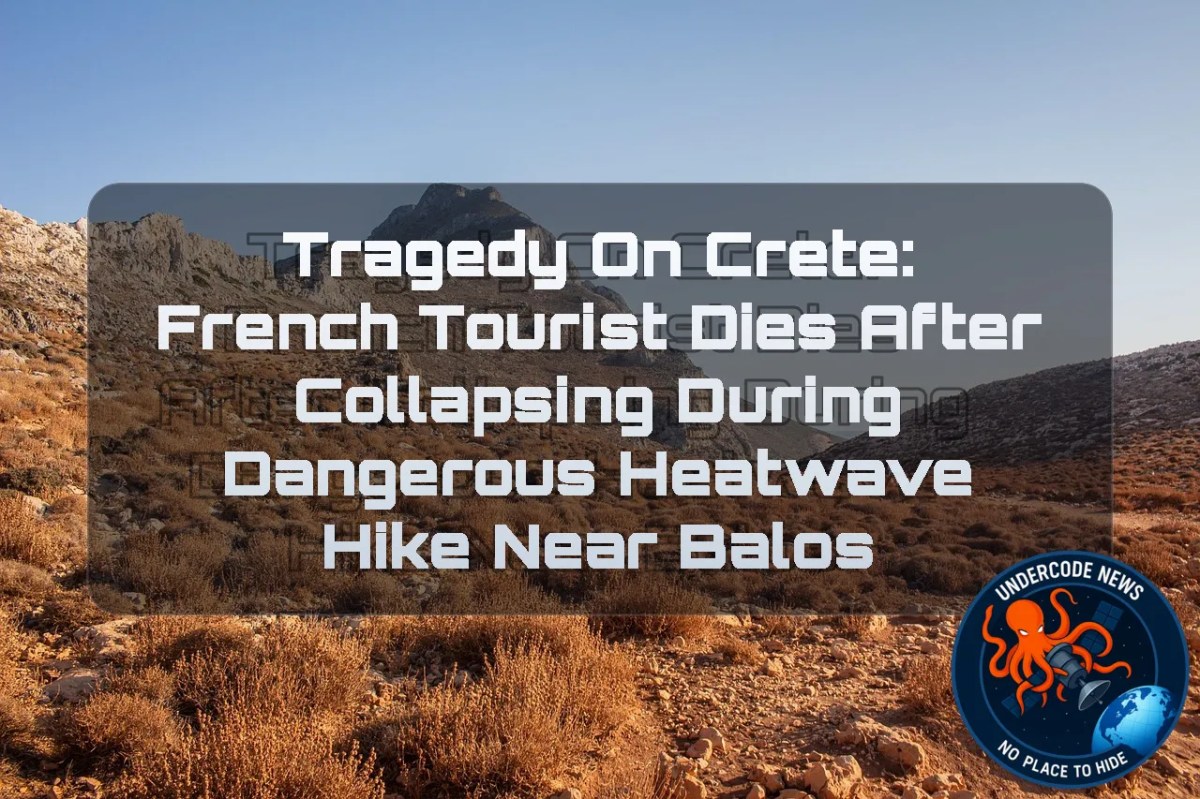 A Dream Holiday Turns Into a Fatal Emergency
A summer trip to one of Crete’s most spectacular coastal destinations has ended in tragedy after a 41-year-old French tourist collapsed during a demanding hike near Balos and later died despite a major rescue effort. The incident unfolded amid extremely high temperatures and intense sunshine, highlighting once again how quickly Greece’s summer heat can turn a scenic outdoor adventure into a life-threatening situation.
A Walk That Became a Fight for Survival
The woman had traveled to the western part of Crete with her partner and set out toward the famous Balos area after leaving their vehicle at a parking area in Falassarna. Instead of taking an easier and safer approach, the couple followed a difficult trail across rugged terrain, turning what may initially have seemed like a holiday hike into a physically demanding journey.
Warning Signs Were Already in Place
According to information attributed to Greece’s Fire Service Coordination Centre and reported through the Athens-Macedonian News Agency, warning signs in the area advised visitors against accessing the route. The couple nevertheless continued along the demanding trail. That detail has become one of the most important elements of the tragedy because the danger was not entirely hidden: visitors had already been warned about the conditions and the difficulty of the route.
The Heat Added a Dangerous New Dimension
Hiking in Crete during extreme summer conditions can place enormous stress on the body. Long distances, exposed terrain, limited shade, steep or uneven paths and intense sunlight can combine to accelerate dehydration and exhaustion far more quickly than many tourists expect.
The Critical Moment Came on the Return Journey
The emergency occurred while the couple was returning toward the parking area. The woman reportedly became unconscious roughly one kilometre from the car after suffering severe dehydration, leaving her partner facing a desperate decision in an isolated and difficult environment.
Her Partner Immediately Called for Help
Her partner returned toward the vehicle to obtain water while also contacting Greece’s emergency number, 112. The call triggered a rescue response involving firefighters from the Kissamos Fire Station and a specialized EMODE team.
Rescuers Found Her Unconscious
Emergency crews eventually located the woman unconscious on the trail. Firefighters began administering first aid and performed CPR while waiting for medical personnel from the National Emergency Centre, EKAB, to arrive.
CPR Continued as Medical Crews Took Over
When EKAB personnel arrived, they continued attempts to revive the woman and transported her toward hospital care. Despite the sustained emergency response, she could not be saved and died during the transfer, according to the account supplied to news agencies.
A Second Account Raises an Important Medical Caveat
Other reporting published around the incident has described the victim as a 41-year-old woman hiking in the Falassarna region and said that the precise cause of death was not immediately established. One report noted that initial indications pointed toward heatstroke, but emphasized that the exact cause would require medical examination.
Dehydration and Heatstroke Are Not the Same Thing
The distinction matters. Severe dehydration can accompany heat exhaustion and heatstroke, but a report stating that someone collapsed after dehydration does not by itself establish the final medical cause of death. The available reporting therefore supports the role of extreme heat and physical exertion while cautioning against presenting a definitive medical diagnosis before official findings are available.
Crete’s Beauty Can Hide Serious Physical Risks
Balos is famous for extraordinary scenery, turquoise water and dramatic coastal landscapes. That beauty can create a false impression that reaching the destination is an easy recreational activity. In reality, some routes around western Crete involve difficult terrain and substantial physical exertion.
A Tourist Destination Is Not Automatically a Safe Hiking Route
One of the most important lessons from this tragedy is that popularity should never be confused with safety. A location can attract thousands of visitors while still containing trails that are inappropriate for inexperienced hikers, especially during periods of extreme heat.
Why Afternoon Hiking Can Be Especially Dangerous
The timing of an excursion can make an enormous difference. Starting or continuing a long hike during the hottest part of the day exposes the body to greater thermal stress. Even people who are physically fit can struggle when temperatures remain high and shade or water is limited.
The Body Can Deteriorate Faster Than Expected
Heat-related emergencies can develop gradually and then become critical with surprising speed. Fatigue may initially appear manageable, but dizziness, weakness, confusion, nausea and loss of consciousness can signal that the situation has moved far beyond ordinary tiredness.
Water Alone Is Not Always Enough
Carrying sufficient fluids is essential, but hydration is only one part of heat safety. Rest, shade, appropriate clothing, pacing, route selection and avoiding peak heat can all reduce the physical burden placed on the body.
Rugged Terrain Makes Emergencies Harder to Manage
A medical emergency on a paved road is fundamentally different from one occurring on a remote mountain or coastal trail. Rescue teams may have to travel on foot across uneven terrain before reaching a patient, while moving an unconscious person can be extremely difficult.
Every Minute Can Matter
When someone collapses from a serious heat-related condition, time becomes critical. Calling emergency services immediately can allow rescuers to begin locating the victim while companions provide whatever first aid is safely possible.
The 112 Call Was Crucial
The partner’s decision to contact 112 was an essential part of the emergency response. Greece’s emergency system provides a way for people in danger to alert authorities and begin a coordinated rescue operation. In a remote hiking environment, making that call quickly can be the difference between a manageable rescue and a prolonged search.
The Rescue Operation Shows the Difficulty of the Terrain
The deployment of firefighters and specialized personnel demonstrates how seriously authorities treated the emergency. The fact that professional rescuers had to reach the unconscious woman on foot also illustrates the logistical difficulties associated with emergencies along demanding trails.
The Tragedy Is Bigger Than One Hiking Decision
It would be too simplistic to view the death solely as the result of one decision to continue walking. Heat emergencies are influenced by many factors, including temperature, humidity, duration of exposure, physical condition, hydration, clothing, pace, terrain and access to medical assistance.
Visitors Often Underestimate Familiar-Looking Landscapes
A beautiful coastline can feel psychologically safe. People may associate beaches and tourist attractions with relaxation rather than physical danger. But a trail leading toward a beach can still involve steep climbs, exposed rock, long distances and limited opportunities to recover.
Travel Plans Need to Account for the Weather
Holidaymakers often plan their day around sightseeing schedules without giving enough attention to the weather forecast. In extreme heat, however, weather conditions should become one of the first factors determining whether a demanding outdoor activity should happen at all.
A Warning Sign Is More Than a Suggestion
When authorities place signs prohibiting access or warning visitors about a route, those warnings should be treated as safety instructions rather than obstacles to an itinerary. The tragedy near Balos is a stark reminder of why such restrictions can exist.
The Psychological Pull of a Famous Destination
Popular destinations create a powerful sense of expectation. Travelers may have spent money, time and effort reaching a particular location and feel reluctant to turn back. That psychological pressure can encourage people to continue even after conditions become uncomfortable.
Turning Back Is Not Failure
One of the most important hiking safety principles is recognizing when a route has become unsafe. Turning around before reaching a destination is not an unsuccessful trip. It is often the smartest decision a traveler can make.
Heat Changes the Meaning of Physical Effort
A distance that feels manageable in cool weather can become dramatically harder under direct sunlight. The body must simultaneously regulate temperature and sustain physical activity, increasing the strain placed on the cardiovascular system.
The Return Journey Can Be the Most Dangerous Part
Hikers sometimes focus heavily on reaching their destination and forget that they must still return. Once fatigue accumulates, the return journey can become significantly more dangerous, particularly when water supplies are running low and the body has already been exposed to heat for hours.
The Incident Sends a Message to International Visitors
Crete welcomes millions of travelers who may not be accustomed to Mediterranean summer conditions. Visitors arriving from cooler climates can underestimate how aggressive prolonged sunlight and high temperatures can become.
Local Knowledge Can Save Lives
Residents, guides and experienced hikers often understand seasonal dangers that tourists may not immediately recognize. Consulting local authorities, checking route restrictions and asking whether a trail is currently suitable can provide information that a standard tourist map cannot.
Emergency Planning Should Begin Before the Hike
A responsible hike begins before stepping onto the trail. Travelers should know their route, expected duration, water requirements, weather conditions, emergency contact options and possible exit points.
Mobile Phones Are Important but Not a Complete Safety Plan
A phone can summon help, but connectivity cannot always be guaranteed in remote areas. Batteries can also fail, and difficult terrain can complicate rescue operations. Preparation therefore remains essential even when modern communication tools are available.
The Human Cost Is the Most Important Part
Behind every rescue report is a family and a partner dealing with an irreversible loss. The woman went on holiday expecting an ordinary outdoor experience. Instead, her journey ended in a fatal emergency that has left those around her grieving.
Deep Analysis
The Real Warning Behind the Tragedy
The most important message is not simply that Crete was hot. It is that heat can fundamentally change the risk profile of an outdoor activity. A route considered challenging but manageable under normal conditions can become dangerous when temperatures rise sharply.
Extreme Weather Changes Risk Calculations
Hiking decisions should be based on conditions at the time of the activity, not on how difficult the trail looked in photographs or how manageable it was during a previous visit.
Terrain and Temperature Multiply Each Other
Rugged terrain increases physical effort, while high temperatures increase physiological stress. When both occur simultaneously, the risks can rise much faster than a traveler may intuitively expect.
Warning Signs Represent Risk Assessment
Official warnings are usually placed because authorities have identified specific hazards. Ignoring them removes one of the simplest layers of protection available to visitors.
Tourist Confidence Can Become a Hazard
People on holiday often feel relaxed and adventurous. That mindset is normally positive, but it can also encourage risk-taking and make people less willing to abandon plans.
Physical Fitness Has Limits
Being healthy or accustomed to exercise does not make someone immune to heat emergencies. Extreme environmental conditions can overwhelm even experienced and physically capable individuals.
Heat Exposure Is Cumulative
The body does not necessarily recover simply because a hiker slows down. Hours of exposure can produce cumulative stress, especially when opportunities for cooling and hydration are limited.
The Absence of Immediate Symptoms Can Be Misleading
A person may continue walking while already becoming significantly dehydrated or overheated. This makes early recognition of warning symptoms especially important.
Companions Have a Critical Role
Hiking with another person is considerably safer than being alone during extreme conditions because companions can recognize deterioration, provide assistance and call emergency services.
The Partner’s Response Was Critical
The decision to contact 112 after the woman collapsed ensured that professional assistance was mobilized. Even though the outcome was tragic, rapid notification remains one of the most important actions during a medical emergency.
Rescue Teams Face Their Own Risks
Emergency responders entering difficult terrain during extreme heat must also manage dangerous environmental conditions. Rescue operations therefore require specialized training, coordination and careful resource deployment.
Medical Uncertainty Should Be Respected
Initial descriptions of dehydration or suspected heatstroke should not automatically be treated as final medical conclusions. Official examinations may determine that multiple factors contributed to a death.
Reporting Must Separate Evidence From Assumption
A responsible account should distinguish what authorities confirmed from what witnesses or initial reports suggested. This is particularly important when reporting deaths where medical findings are still pending.
Crete Is Not Uniquely Dangerous
The broader lesson applies to hiking destinations across the Mediterranean and other hot regions. Extreme summer weather can transform familiar trails into serious hazards.
Climate Extremes Are Changing Outdoor Safety
As heatwaves become a recurring feature of summer weather, tourists may increasingly encounter conditions that are substantially more severe than traditional seasonal expectations.
Travel Industry Messaging May Need to Adapt
Hotels, tour operators and destination authorities have an opportunity to make heat warnings more prominent. Travelers may respond more effectively to clear guidance when warnings are communicated before they begin an excursion.
Trail Closures Need to Be Taken Seriously
When authorities restrict access, visitors should assume that the restriction reflects a genuine safety concern rather than inconvenience.
Better Signage Could Reduce Risk
Warning signs can be particularly effective when they clearly explain why access is dangerous, how long the route is, what conditions are expected and what alternatives are available.
Tourist Maps Should Reflect Seasonal Hazards
A route that is safe during spring or autumn may not be appropriate during an extreme summer heatwave. Seasonal risk information should therefore be part of outdoor tourism planning.
Emergency Access Matters
The incident also highlights the importance of ensuring that emergency teams can reach popular hiking areas quickly. Remote attractions require contingency planning because medical evacuation can be considerably more complicated than in urban environments.
Travelers Should Think Beyond the Destination
The destination itself is only one part of the journey. The route, terrain, weather, distance, water availability and return journey must all be considered before setting out.
The Return Route Deserves Equal Planning
A common mistake is to calculate how long it takes to reach a destination without adequately accounting for the return. Fatigue and heat exposure may make the second half of a journey substantially harder.
Starting Earlier Can Reduce Exposure
When hiking is appropriate and authorities permit access, beginning earlier can sometimes reduce exposure to the strongest afternoon heat. However, timing should never override official restrictions or dangerous weather conditions.
Rest Should Be Proactive
Waiting until exhaustion becomes severe before stopping is risky. Regular breaks in shade or cooler locations can help reduce accumulated stress.
Hydration Should Be Planned
Travelers should estimate how much water a route requires rather than assuming they can find supplies along the way. Running out of water can turn discomfort into a serious emergency.
Clothing Matters
Lightweight, breathable clothing, sun protection and appropriate footwear can reduce physical strain and exposure. Preparation becomes even more important when the route is remote.
Know the Signs of Heat Illness
Severe weakness, confusion, dizziness, fainting, unusual behavior and loss of consciousness should be treated as emergency warning signs rather than ordinary fatigue.
Do Not Push Through a Medical Emergency
Continuing to walk after serious symptoms appear can make the situation dramatically worse. The correct response is to stop, seek shade or cooling where possible and contact emergency services when symptoms are severe.
The Tragedy Should Encourage Better Decisions
The most constructive response to this death is not fear of hiking or travel. It is a stronger culture of preparation, respect for warnings and willingness to change plans when environmental conditions become dangerous.
Balos Remains Beautiful, But Beauty Does Not Remove Risk
The dramatic landscapes around Balos and Falassarna will continue to attract visitors. What should change is the way travelers assess the conditions before attempting difficult routes.
The Central Lesson Is Simple
A holiday itinerary is never more important than personal safety. If authorities say a route is unsafe, if temperatures are extreme or if the body begins showing signs of distress, the safest decision is to stop.
What Undercode Say:
A Tragic Reminder
This death is a painful reminder that extreme weather can transform a normal tourist activity into a life-threatening emergency within a matter of hours.
Safety Warnings Matter
The presence of warning signs is particularly significant because it demonstrates that the risks associated with the route were known before the incident occurred.
Heat Should Be Treated as a Serious Hazard
Extreme heat deserves the same level of planning as difficult terrain, strong winds or dangerous sea conditions. It should never be treated as a minor inconvenience during a demanding hike.
Popularity Does Not Equal Safety
A destination appearing on thousands of travel websites does not mean every route leading there is appropriate for every visitor.
The Afternoon Is a Critical Period
Travelers should be especially cautious about undertaking long exposed hikes during the hottest part of the day, particularly during heatwaves.
Water Is Essential
Adequate hydration is one of the foundations of safe hiking in hot environments, but it should be combined with shade, rest, sensible pacing and route planning.
The Return Journey Matters
Reaching a destination does not mean the physical challenge is over. The return trip must be planned with the same seriousness.
Companions Are Important
Traveling with someone provides an additional safety layer because a companion can notice changes in behavior and call for help.
Emergency Numbers Should Be Known
Visitors should know how to contact emergency services before beginning an outdoor excursion.
Location Information Can Save Time
When calling emergency services, hikers should provide as precise a location as possible. Trails, landmarks, parking areas and route descriptions can help rescuers reach a victim faster.
Medical Claims Need Careful Language
Initial reports may describe dehydration or suspected heatstroke, but definitive medical conclusions should wait for official findings.
The Rescue Effort Was Significant
Firefighters and emergency medical personnel made sustained efforts to save the woman, demonstrating the scale of the response triggered by the emergency.
Prevention Is Better Than Rescue
Even the best emergency response cannot guarantee survival once a severe heat-related medical crisis has developed. Avoiding dangerous conditions remains the strongest protection.
Tourists Need Local Awareness
Visitors unfamiliar with Mediterranean heat should take local warnings seriously and seek advice before entering demanding terrain.
Heatwaves Change the Rules
A route that might be reasonable during moderate weather can become inappropriate during an extreme heat event.
The Body Gives Warnings
Extreme fatigue, dizziness, confusion or weakness should never be dismissed as simply part of hiking.
Turning Back Is a Smart Decision
Abandoning a hike when conditions become dangerous is not a failure. It is responsible decision-making.
Tourism Authorities Have a Role
Clearer seasonal warnings and accessible information could help tourists better understand the dangers of demanding routes during heatwaves.
Operators Can Help
Hotels, travel agencies and excursion providers can reinforce safety messages before guests begin outdoor activities.
Travelers Should Check Conditions
Weather forecasts and official route restrictions should be checked immediately before departure rather than days earlier.
The Landscape Can Be Deceptive
A spectacular coastal view may conceal long distances, steep terrain and limited shade.
Heat and Terrain Create Compound Risk
High temperatures become substantially more dangerous when combined with sustained physical exertion and difficult terrain.
Rescue Is Harder in Remote Areas
The farther a person is from roads and medical facilities, the more complicated emergency evacuation can become.
Time Matters
Fast recognition of danger and an immediate emergency call can give rescuers the best possible chance of reaching a victim quickly.
CPR Can Be Crucial
The
Preparation Must Come Before Adventure
A safe hiking experience starts with preparation, not with the first step onto the trail.
Weather Should Override Itineraries
Travel plans are flexible. Extreme environmental conditions should be allowed to change the schedule.
Warning Signs Should Be Obeyed
Official restrictions exist because someone has assessed the risk. Visitors should not assume they know better.
The Human Cost Should Not Be Forgotten
Behind the statistics is a person who came to Crete for a holiday and never returned home.
The Best Lesson Is Prevention
The tragedy cannot be undone, but its warning can help prevent another family from experiencing the same loss.
A Safer Tourism Culture Is Possible
Crete can remain an extraordinary destination while visitors become more conscious of the risks associated with extreme summer conditions.
Verified Core Incident
✅ Multiple reports published on August 24, 2026 confirm that a 41-year-old woman died after collapsing during a hike in the Falassarna/western Crete area amid an ongoing heatwave.
Rescue Effort Confirmed
✅ Reporting supports that emergency personnel responded, CPR was attempted and the woman was transported for medical treatment, but she could not be saved.
Cause of Death Requires Caution
❌ It should not be stated as an absolutely confirmed medical fact that dehydration alone caused the death. Contemporary reporting says the precise cause was not immediately known, while other reports described heatstroke as an initial indication.
Prediction
(+1) The tragedy is likely to increase attention on heat-related hiking risks in Crete, particularly during periods of extreme summer temperatures.
(+1) Tourists and travel operators are likely to place greater emphasis on official trail warnings, hydration, timing and avoiding strenuous hikes during peak heat.
(-1) If extreme heat continues without stronger visitor compliance with route restrictions, similar hiking emergencies could occur elsewhere across Crete and other Mediterranean destinations.
(+1) The incident may encourage authorities to strengthen seasonal warnings and make the dangers of exposed hiking routes more visible to international visitors.
Conclusion: A Beautiful Destination With a Powerful Warning
The death of the 41-year-old French tourist near Balos is a heartbreaking reminder that even the most beautiful holiday destinations can contain serious dangers. Extreme heat, demanding terrain and prolonged exposure can overwhelm the body rapidly, while remote trails can make emergency rescue far more difficult.
The most important lesson is therefore not to fear Crete or avoid hiking altogether. It is to respect the environment, listen to authorities, understand personal limits and recognize that turning back can be the safest decision of the entire journey.
When temperatures become extreme, a spectacular view is never worth risking a life.
▶️ Related Video (80% Match):
🕵️📝Let’s dive deep and fact‑check.
🎓 Live Courses & Certifications:
Join Undercode Academy for Verified Certifications
🚀 Request a Custom Project:
Secure, high-velocity infrastructure and disruptive technological engineering. Contact our engineering team for high-tier development and proprietary systems:
[email protected]
💎 Smart Architecture | 🛡️ Secure by Design | ⭐ Trusted by Thousands
References:
Reported By: www.euronews.com
Extra Source Hub (Possible Sources for article):
https://www.medium.com
Wikipedia
OpenAi & Undercode AI
Image Source:
Unsplash
Undercode AI DI v2
🔐JOIN OUR CYBER WORLD [ CVE News • HackMonitor • UndercodeNews ]
📢 Follow UndercodeNews & Stay Tuned:
𝕏 formerly Twitter 🐦 | @ Threads | 🔗 Linkedin | 🦋BlueSky | 🐘Mastodon | 📺Youtube


