
Listen to this Post
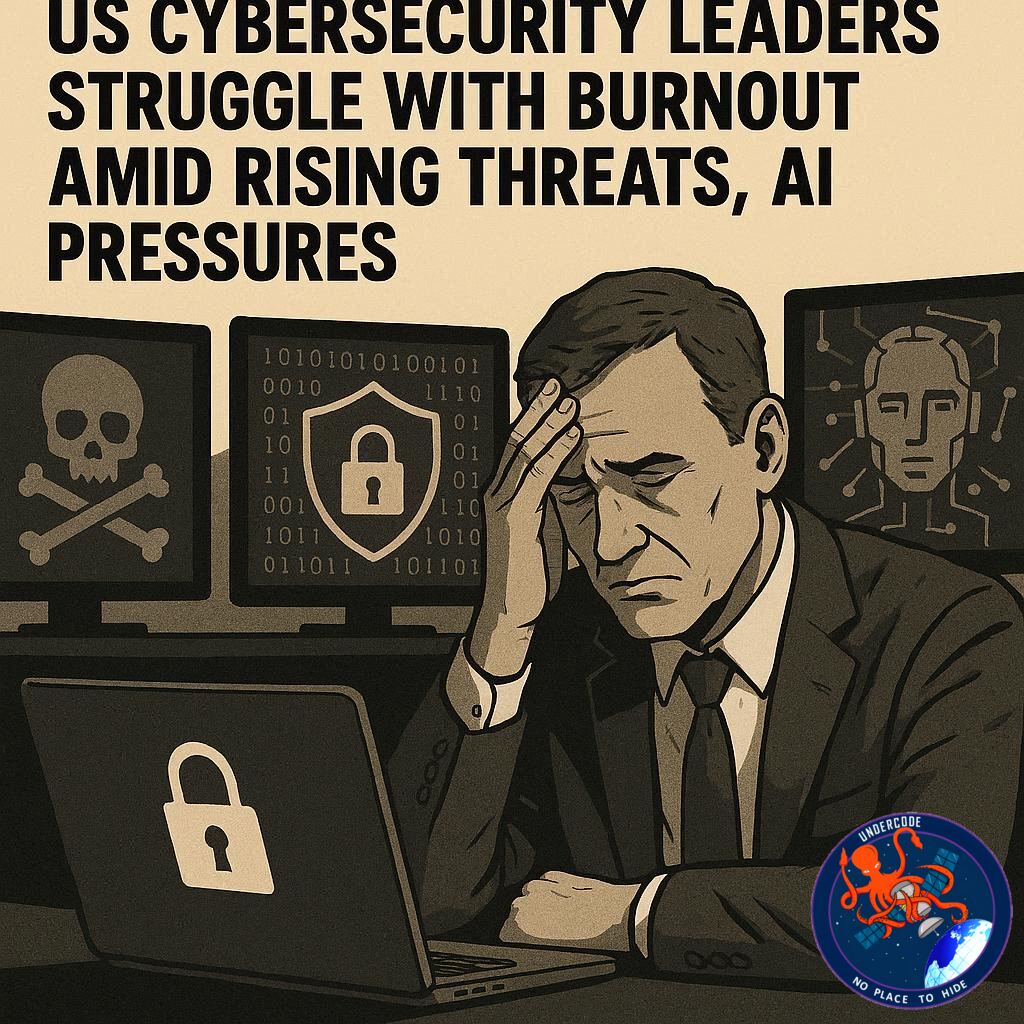
As cyber threats escalate, U.S. cybersecurity leaders are facing unprecedented pressure to close process gaps, manage sprawling security environments, and adapt to the rapidly evolving role of technology. According to a new report by Seemplicity, many CISOs and their equivalents are working six to seven days a week, balancing technical responsibilities with strategic business demands. The findings shed light on the human cost of defending digital infrastructure while navigating a workforce transformed by AI.
The State of Cybersecurity Work
Seemplicity’s State of the Cybersecurity Workforce Report surveyed 300 Chief Information Security Officers (CISOs) and comparable roles to uncover the realities of the field today. Alarmingly, 45% of respondents work more than 11 extra hours per week, while 20% clock over 16 extra hours weekly—essentially adding another workday or two onto their schedule. The emotional toll is high, with 44% describing their role as more exhausting than rewarding, a figure rising to 56% among C-level executives. Nearly half of respondents (43%) struggle to take time off, fearing overwhelming stress upon their return. Despite these challenges, 94% still view cybersecurity as a career they would choose again, demonstrating resilience amid adversity.
AI’s Impact on Cybersecurity Roles
While AI adoption promises automation and efficiency, it paradoxically increases the workload and skill demands on cybersecurity leaders. The survey found that 85% of respondents feel heightened pressure to enhance communication, interpersonal, and business skills due to AI integration. Similarly, 82% report that people skills have become more critical to success than five years ago.
Seemplicity notes that as AI tools handle routine tasks, human oversight shifts toward interpreting outputs, managing ambiguity, and translating technical risk into actionable business decisions. The report warns that organizations failing to align AI operations with human judgment risk creating governance gaps, leaving automated systems without necessary oversight.
Leadership in the Age of AI
Yoran Sirkis, CEO of Seemplicity, emphasized that cybersecurity is at a pivotal moment. “For years, the industry tried to solve every problem by adding more tools, more alerts, and more people,” he explained. AI, however, demands a new approach: smarter prioritization, clearer ownership, and leaders capable of translating technical risk into strategic business outcomes. The organizations that succeed will redesign roles around outcomes instead of just activity, ensuring that cybersecurity leaders are empowered to make decisions with organizational impact.
What Undercode Say:
The Seemplicity report highlights a systemic strain on cybersecurity leaders, but it also points to a larger evolution in the industry. Traditional security models relied heavily on sheer manpower and technical tools. Now, AI is redefining operational expectations, demanding leaders who are strategically agile and capable of integrating human judgment with machine outputs.
The report’s data suggest several critical insights:
Workload vs. Wellbeing – High overtime signals burnout risks. Even committed CISOs are vulnerable to stress-related performance issues, impacting organizational security. Companies must adopt policies that balance productivity with mental health.
AI as a Double-Edged Sword – Automation reduces repetitive tasks but increases cognitive load. Cyber leaders must interpret, communicate, and justify AI-driven outputs, effectively transforming the role from tactical execution to strategic influence.
Skill Shifts – Technical acumen alone is insufficient. The rise of AI-driven security demands business literacy, stakeholder management, and communication skills, which are now core operational requirements. Organizations that fail to train leaders in these areas risk governance and alignment gaps.
Outcome-Oriented Leadership – Sirkis’s point about outcomes over activity underscores a shift from reactive security to value-driven cybersecurity management, where strategic decisions drive tangible business benefits rather than merely monitoring alerts.
Human Oversight as a Safeguard – Automated tools, while efficient, cannot replace judgment. Oversight ensures that AI actions are aligned with business objectives, highlighting the enduring importance of human-centric security frameworks.
Inflection Point in Workforce Design – The survey suggests the cybersecurity profession is evolving into a hybrid role, blending risk management, business strategy, and technical expertise. Organizations that embrace this redesign will likely gain a competitive edge in resilience and response.
In short, the report underscores that cybersecurity leadership is no longer just about defending systems—it’s about navigating complexity, making high-stakes decisions, and guiding AI-human collaboration.
Fact Checker Results:
✅ Overtime Hours Confirmed – 45% work 11+ extra hours weekly, consistent with survey data.
✅ AI Skill Shift Validated – 85% report increased pressure on business and interpersonal skills.
❌ No Major Contradictions Found – Report aligns with industry trends in cybersecurity burnout and AI integration.
Prediction:
🚀 Over the next five years, CISO roles will increasingly blend technical, business, and strategic responsibilities, with organizations prioritizing leaders who can balance AI oversight with human judgment. Companies failing to adapt risk both workforce burnout and ineffective security governance.
💡 AI adoption will continue to redefine career trajectories, with soft skills becoming as critical as technical expertise. Leaders who master communication and decision-making in AI-driven environments will define the next era of resilient cybersecurity.
If you want, I can also create an infographic summarizing the key survey findings and AI impacts, making the article visually engaging for readers.
🕵️📝✔️Let’s dive deep and fact‑check.
References:
Reported By: www.infosecurity-magazine.com
Extra Source Hub (Possible Sources for article):
https://stackoverflow.com
Wikipedia
OpenAi & Undercode AI
Image Source:
Unsplash
Undercode AI DI v2
Bing
🔐JOIN OUR CYBER WORLD [ CVE News • HackMonitor • UndercodeNews ]
📢 Follow UndercodeNews & Stay Tuned:
𝕏 formerly Twitter 🐦 | @ Threads | 🔗 Linkedin | 🦋BlueSky | 🐘Mastodon


