
Listen to this Post
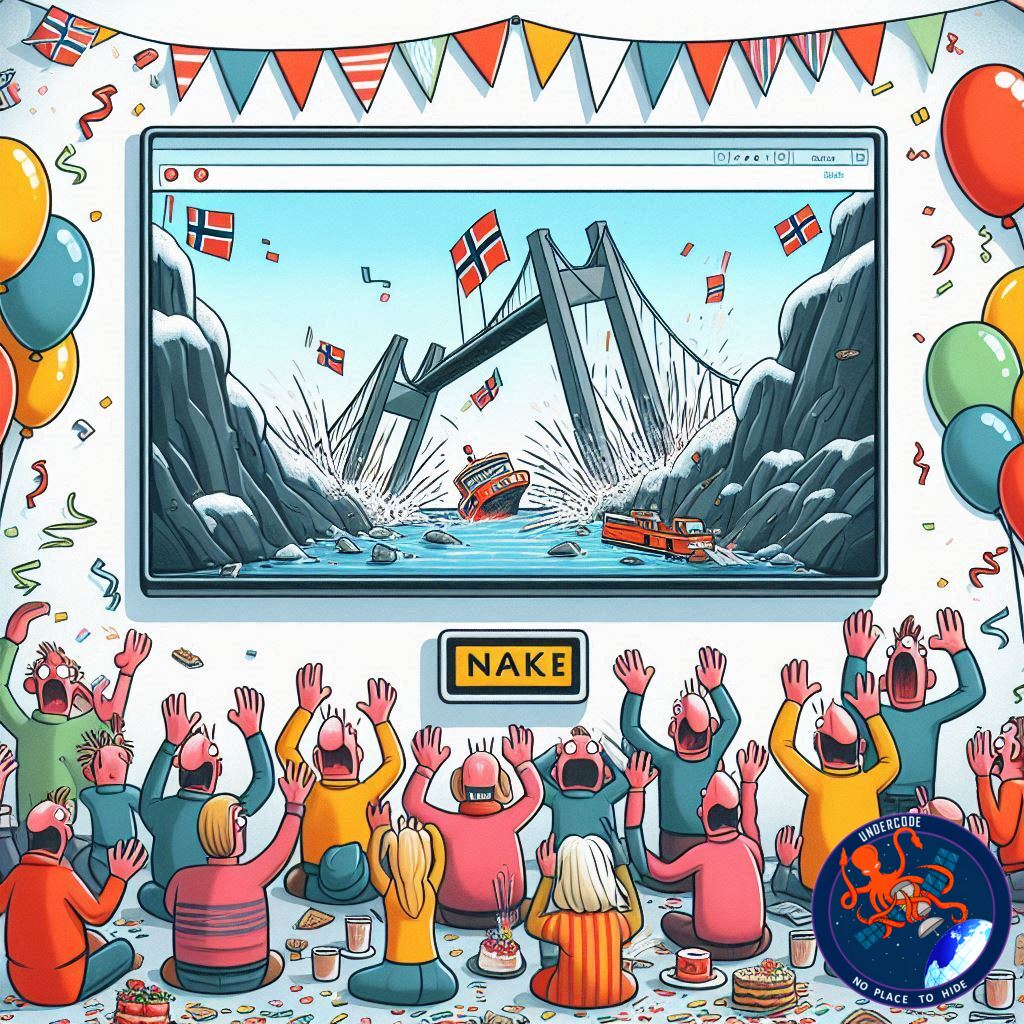
In a world increasingly dominated by artificial intelligence, distinguishing between what is real and what is fabricated has become more difficult. A recent viral video claimed that a bridge in Norway collapsed just 24 hours after its opening, allegedly due to a cruise ship collision. The footage showed hundreds of cars plunging into the water, with an unknown number of victims. However, experts quickly debunked the video, revealing that it was AI-generated. This incident is just one example of the growing concern surrounding the use of AI in creating hyper-realistic, but false, footage.
Summary of the Original
A video claiming that a newly opened bridge in Norway collapsed after being struck by a cruise ship rapidly spread across social media platforms like Instagram, X (formerly Twitter), Facebook, and TikTok. The video showed an unsettling scene: cars falling off the bridge and into the water, followed by a dramatic splash, with a large number of presumed victims. While the video went viral, it was soon proven to be a hoax, created using AI technology. No reliable news sources, such as BBC, Reuters, AP, or Norwegian authorities, reported any such incident. Upon closer inspection, experts noted telltale signs of AI manipulation: unrealistic splashes, impossible physics, and structural failures that defied the laws of nature. The video mimicked real-life disasters like the 2022 Tretten Bridge collapse and the 2024 Baltimore Key Bridge incident, fueling public concern and panic. The spread of such AI-generated disaster videos has become a concerning trend, with the primary intent of drawing attention, spreading misinformation, and inciting unnecessary fear. Experts are now sounding alarms, stressing the importance of digital literacy and the need to verify sensational claims before sharing them. The rise of AI tools has made it increasingly difficult to differentiate between genuine and fabricated content, leading to the erosion of public trust in media.
What Undercode Say:
As AI technology continues to advance, it becomes increasingly difficult for the general public to differentiate between authentic and manipulated content. The incident of the AI-generated bridge collapse video highlights how powerful tools can be misused to create panic and misinformation. This issue is more than just about entertainment or social media pranks; it raises critical concerns about the role of AI in the dissemination of news and the potential for its exploitation. AI tools now allow anyone with basic knowledge to create high-quality fake videos, with realistic details such as car movements, water splashes, and even human interactions, that were once only possible with real footage. Unfortunately, these videos often go viral before they are debunked, and by then, they’ve already made a significant impact on public perception. This situation calls for more robust methods of digital literacy education and media verification. If society does not adapt quickly, the ability to trust what we see on the internet could become further compromised.
AI-generated content is not inherently bad, but its misuse can have far-reaching consequences. A simple viral video can lead to public panic, distrust in institutions, and increased political or social tensions. To combat this, both social media platforms and individuals must be more diligent in verifying information. Major news organizations, tech companies, and AI developers must work together to create tools that make it easier for people to spot fake content. The responsibility, however, doesn’t lie solely on institutions. Individuals must also develop critical thinking skills to question the content they consume and share.
Fact Checker Results:
The video was analyzed and confirmed to be AI-generated.
No credible news outlet reported on the incident.
The video displayed obvious AI manipulation, including unnatural car movements and improbable physics.
Prediction:
As AI technology evolves, we can expect to see more instances of AI-generated fake news and videos designed to create shock value. The need for digital literacy will continue to grow, and social media platforms will likely introduce more sophisticated methods to detect and prevent the spread of AI-generated misinformation. This issue will also drive the development of verification technologies that help users distinguish between real and fake content more easily. However, the fight against misinformation will require collective action from both the tech industry and the public.
🕵️📝✔️Let’s dive deep and fact‑check.
References:
Reported By: www.deccanchronicle.com
Extra Source Hub (Possible Sources for article):
https://www.github.com
Wikipedia
OpenAi & Undercode AI
Image Source:
Unsplash
Undercode AI DI v2
Bing
🔐JOIN OUR CYBER WORLD [ CVE News • HackMonitor • UndercodeNews ]
📢 Follow UndercodeNews & Stay Tuned:
𝕏 formerly Twitter 🐦 | @ Threads | 🔗 Linkedin | 🦋BlueSky | 🐘Mastodon


