
Listen to this Post
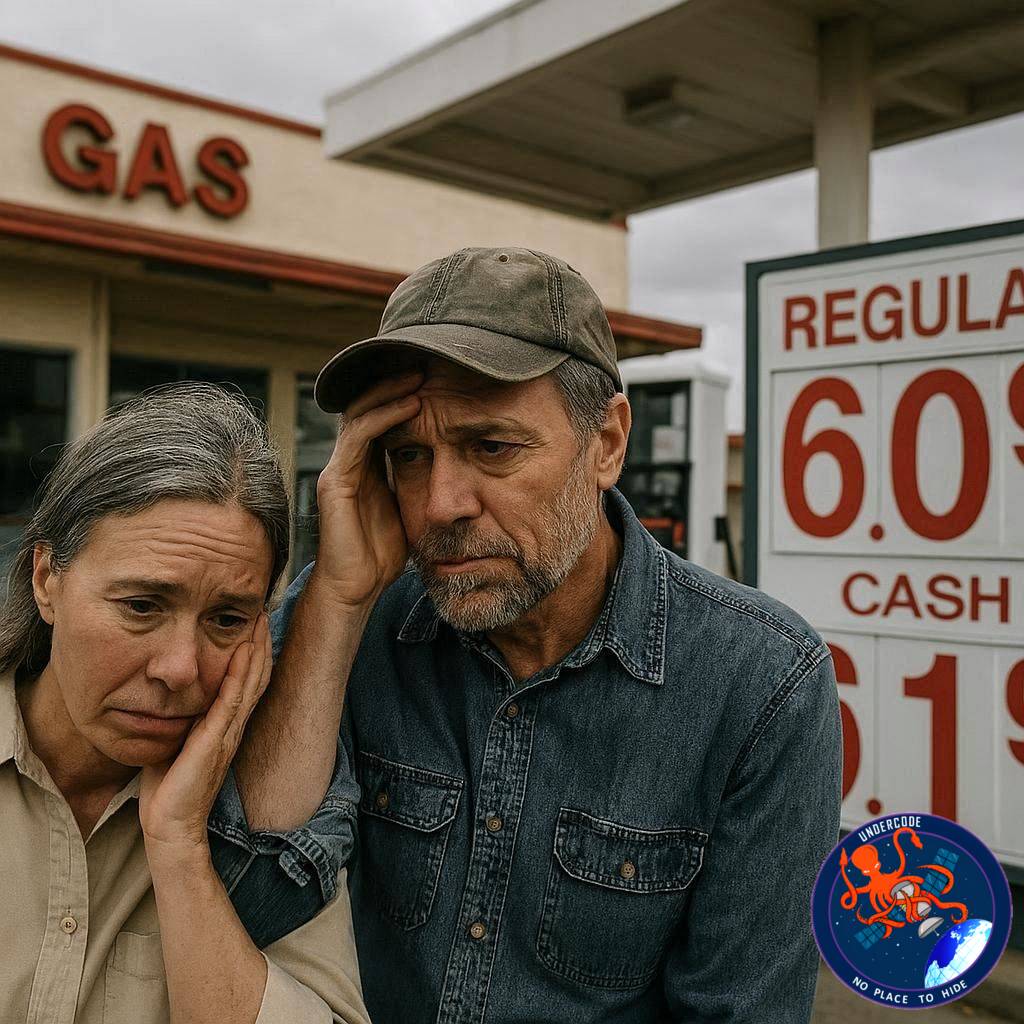
The Hidden Crisis Behind America’s Skyrocketing Gas Prices
For millions of Americans, filling up the tank has become a painful weekly ritual. Drivers across the United States are staring at fuel prices they never imagined possible, especially in California, where regular gasoline has surged above $6 per gallon in several regions. But while consumers are furious about the rising costs, another group is quietly suffering behind the scenes: independent gas station owners.
Many Americans assume gas stations are making huge profits during fuel spikes. In reality, most stations are small family-owned businesses operating on razor-thin margins. The latest surge in wholesale fuel prices, fueled partly by geopolitical instability and tensions surrounding Iran and the Strait of Hormuz, is pushing these businesses toward financial collapse.
In Sonoma Valley, California, Chris Bambury represents a family legacy stretching back more than a century. His family began selling fuel long before paved roads existed in the region. Yet despite surviving decades of economic downturns, inflation cycles, and energy shocks, Bambury says he has never experienced pressure quite like this.
At his stations, regular gasoline recently reached $6.29 per gallon — slightly below the local average of $6.36, according to AAA. Even those prices are not enough to guarantee healthy profits. Rising wholesale costs, increased transportation expenses, credit card processing fees, and labor costs are eating away at every cent earned from fuel sales.
Bambury explained that before tensions escalated in the Middle East earlier this year, he was selling gasoline for around $4.79 per gallon. The dramatic jump in such a short period has created fear among customers and station owners alike.
Despite public frustration over fuel prices nationwide, Bambury says most of his customers understand the situation. Many recognize the role global conflicts and oil supply concerns are playing in driving up costs. Still, sympathy alone cannot keep a business alive.
He admits station owners face a difficult balancing act. Raise prices too quickly, and customers disappear. Keep prices too low, and the business bleeds money on every gallon sold.
Across the country in Nutley, New Jersey, another station owner is facing similar struggles. Harry Singh, who has operated his station since 2009, says the current environment may force him to stop selling fuel entirely. He is considering shutting down gas operations and focusing only on his auto repair garage.
Singh says customers who once filled their tanks completely are now limiting purchases to $20 or $30 at a time. Worse, he is losing business to nearby Costco stations capable of selling gasoline at significantly lower prices due to their scale and membership-based business model.
Industry experts say the average difference between wholesale and retail fuel prices currently sits around 22 cents per gallon. While that may sound profitable, those pennies must cover wages, rent, utilities, maintenance, insurance, taxes, and operational costs. In many cases, station owners are barely breaking even — or actively losing money.
According to the National Association for Convenience Stores, many fuel retailers are currently operating under extreme financial pressure. Average profit margins over the last five years were significantly healthier than what stations are seeing today.
Another challenge is timing. Even when wholesale fuel prices begin to fall, consumers rarely see immediate relief at the pump. Station owners often purchased fuel inventories at much higher prices and must slowly adjust retail rates to recover previous losses. This delay frequently creates public suspicion, with consumers accusing stations of price gouging when owners are actually trying to stabilize cash flow.
In Minneapolis, station owner Lonnie McQuirter says falling fuel demand has created an entirely different kind of crisis. Reduced driving activity in some communities, combined with shrinking margins, has intensified financial stress.
McQuirter, who bought his first station at just 19 years old, says wholesale fuel costs have jumped more than 20 cents per gallon in a single day multiple times recently. Sudden spikes create severe cash-flow challenges, especially for independent operators without large financial reserves.
He also highlighted the emotional side of the crisis. Many customers are already struggling with rent, groceries, and basic living expenses. Station owners understand their pain because they are experiencing the same economic pressure themselves.
The fuel industry’s current turmoil reflects broader instability throughout the global economy. Energy markets remain highly sensitive to geopolitical tensions, shipping disruptions, production cuts, and speculation. Every conflict involving major oil-producing regions instantly ripples through supply chains worldwide.
For independent gas station owners, the danger is no longer theoretical. Many are questioning whether selling fuel is still sustainable in an industry increasingly dominated by giant wholesale clubs and corporate chains.
What Undercode Says:
Independent Gas Stations Are Becoming the Forgotten Victims
The public conversation around fuel prices usually targets oil companies or politicians, but small gas station operators are increasingly trapped in a business model that no longer protects them from market volatility. These businesses often function as community anchors, especially in smaller towns, yet they possess very little control over wholesale pricing.
The Iran Conflict Has Reignited Energy Market Fear
One major trigger behind the latest fuel surge is geopolitical uncertainty tied to Iran and maritime shipping routes near the Strait of Hormuz. Markets react aggressively whenever supply disruptions appear possible, even before actual shortages occur. Traders price fear into oil futures almost instantly.
Consumers Are Changing Their Driving Habits
A major signal emerging from this crisis is behavioral change. Customers who once filled full tanks are now rationing fuel purchases. This indicates deeper anxiety surrounding inflation and household financial stability. When consumers start buying smaller fuel amounts, it often reflects wider economic stress.
Costco and Mega Retailers Are Reshaping Competition
Large retailers such as Costco possess structural advantages independent operators simply cannot match. Their fuel divisions often function as customer-attraction tools rather than profit centers. Smaller stations relying solely on gasoline revenue are increasingly unable to compete against corporations willing to operate on minimal margins.
Thin Margins Are Creating Dangerous Financial Conditions
Many consumers wrongly assume gas stations profit heavily from price spikes. In reality, station owners may earn only a few cents per gallon after expenses. During volatile periods, delayed pricing adjustments can temporarily force stations to sell fuel below replacement cost.
Credit Card Fees Quietly Drain Profits
One overlooked issue is the role of credit card processing fees. As gas prices rise, transaction fees also climb proportionally. Since fuel purchases are typically high-volume, low-margin transactions, these fees can erase significant portions of already fragile profits.
Labor Costs Remain Elevated Post-Inflation
Even after inflation cooled slightly compared to previous peaks, labor costs remain substantially higher than before the pandemic-era economic disruptions. Independent businesses continue struggling with payroll pressure while trying to maintain staffing levels.
Cash Flow Is Becoming a Survival Issue
Rapid wholesale price changes create immediate liquidity problems. Station owners must often pay distributors quickly while customer sales recover revenue slowly over time. A sudden 20-cent wholesale increase can destabilize daily operations.
Public Anger Often Targets the Wrong People
Independent station owners frequently absorb public frustration despite having little influence over global oil pricing. This emotional pressure compounds financial stress, particularly for family-owned businesses deeply connected to local communities.
America’s Fuel Market Is Entering a Structural Shift
Long term, the crisis may accelerate industry consolidation. Smaller stations unable to withstand repeated pricing shocks could disappear, leaving major chains and warehouse clubs dominating fuel distribution nationwide.
Energy Volatility Is Becoming the New Normal
Global fuel markets increasingly react to political instability, sanctions, shipping disruptions, and production disputes. The era of predictable gasoline pricing may be ending, replaced by recurring periods of sudden spikes and uncertainty.
Rural Communities Could Be Hit Hardest
If independent stations close, rural areas may suffer disproportionately. Many small towns depend on a limited number of local stations for transportation infrastructure and basic commerce.
Consumers Are Already Showing Economic Fatigue
The reduction in discretionary driving suggests broader consumer exhaustion. Fuel expenses directly affect commuting, tourism, shopping, and local economic activity.
Fuel Prices Influence Nearly Every Industry
Higher gasoline costs affect shipping, food distribution, delivery services, manufacturing, and retail pricing. The impact extends far beyond what drivers pay at the pump.
Political Pressure Will Intensify
As fuel prices climb, politicians will likely face renewed pressure to release strategic reserves, negotiate production increases, or suspend fuel taxes temporarily. Energy prices remain one of the most politically sensitive economic indicators in America.
🔍 Fact Checker Results
✅ Independent Stations Truly Operate on Thin Margins
Industry data consistently shows most independent gas stations earn very small profits per gallon after operational expenses are deducted.
✅ Global Tensions Frequently Influence Fuel Prices
Conflicts involving major oil-producing regions historically trigger immediate volatility in energy markets and crude oil futures.
✅ Consumers Often Reduce Fuel Purchases During Price Surges
Economic studies confirm that sustained high fuel prices change consumer behavior, including reduced driving and smaller fuel purchases.
📊 Prediction
Fuel Prices Could Remain Volatile for Months
If geopolitical tensions continue and oil supply fears intensify, gasoline prices may remain elevated throughout the coming months, especially in states like California where taxes and environmental regulations already push prices higher.
More Independent Stations May Exit Fuel Sales
Smaller operators facing repeated wholesale spikes and aggressive competition from corporate chains could abandon fuel sales entirely and pivot toward convenience retail or automotive services.
Consumers May Permanently Shift Driving Habits
If fuel prices stay high long enough, Americans could increasingly adopt hybrid vehicles, electric cars, carpooling, and reduced discretionary travel as permanent lifestyle adjustments.
🕵️📝Let’s dive deep and fact‑check.
References:
Reported By: edition.cnn.com
Extra Source Hub (Possible Sources for article):
https://www.digitaltrends.com
Wikipedia
OpenAi & Undercode AI
Image Source:
Unsplash
Undercode AI DI v2
Bing
🔐JOIN OUR CYBER WORLD [ CVE News • HackMonitor • UndercodeNews ]
📢 Follow UndercodeNews & Stay Tuned:
𝕏 formerly Twitter 🐦 | @ Threads | 🔗 Linkedin | 🦋BlueSky | 🐘Mastodon


