
Listen to this Post
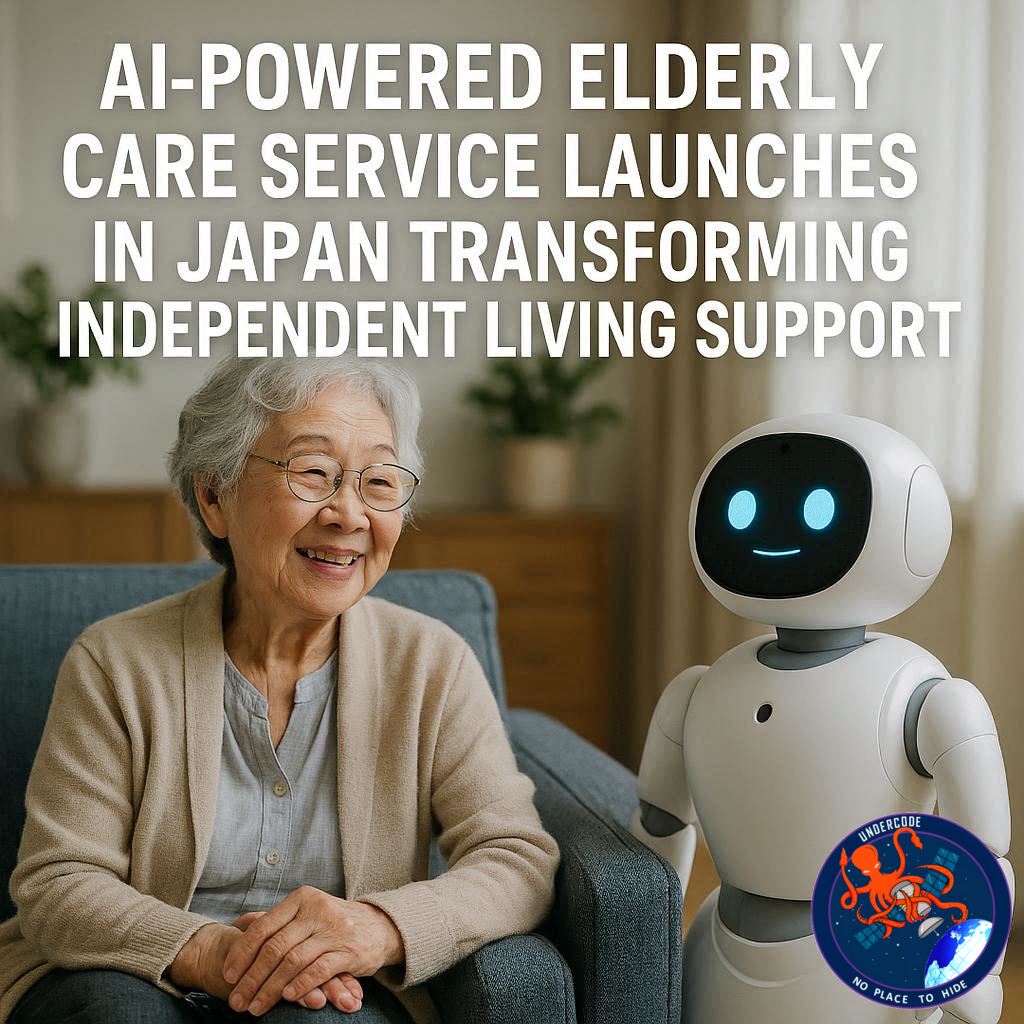 🎯 Introduction: A New Era of Smart Elderly Care Begins in Tottori
As Japan continues to face the challenges of a rapidly aging population, innovative solutions are becoming essential to sustain its healthcare system. In Tottori Prefecture, a regional care provider is quietly reshaping how elderly support works. By integrating artificial intelligence into caregiving services, N.K.C Nursing Core Corporation is not only reducing the burden on human caregivers but also redefining how elderly individuals living alone are monitored and supported. This shift signals a broader transformation in healthcare, where technology steps in to bridge the gap between rising demand and limited workforce capacity.
🧩 AI Integration in Caregiving Services: A Strategic Innovation
N.K.C Nursing Core Corporation, a caregiving business based in Yonago City, Tottori Prefecture, has introduced an advanced AI-driven service to expand its customer base and improve operational efficiency. The company leverages artificial intelligence to handle caregiving consultations and monitor elderly individuals who live alone. This approach addresses two major issues in the caregiving sector: labor shortages and the increasing number of elderly individuals requiring assistance.
One of the core features of this service is an AI-powered consultation system that replaces traditional human response mechanisms. Caregivers and family members can seek advice through a messaging platform, where AI provides immediate and relevant responses. This significantly reduces waiting times and ensures that support is accessible at any moment.
🧩 “Nurse LINE” System: Real-Time AI Consultation via Messaging
The AI consultation service operates through a popular messaging application, allowing users to interact seamlessly with the system. Named “Nurse LINE,” the service is scheduled for rollout in October 2025. Through this platform, caregivers can ask questions related to health management, caregiving techniques, and emergency responses.
The system is designed to simulate professional consultation, offering guidance based on accumulated caregiving data and medical insights. It reduces the dependency on human staff while maintaining a consistent level of service quality. This not only improves efficiency but also enhances user satisfaction, particularly for families who require quick answers in urgent situations.
🧩 Monitoring Independent Elderly Through Electricity Usage Patterns
Beyond consultations, the AI system introduces a unique monitoring method for elderly individuals living alone. Instead of intrusive surveillance, the system analyzes electricity usage patterns in the home. By detecting anomalies, such as unusual inactivity or irregular consumption, the AI can identify potential issues like health emergencies or accidents.
If irregularities are detected, notifications are automatically sent to the individual or their family members. This proactive monitoring approach ensures safety while respecting privacy, offering a non-invasive solution that aligns with modern ethical standards in caregiving.
🧩 Reducing Labor Dependency While Enhancing Service Quality
Japan’s caregiving industry has long struggled with workforce shortages, driven by demographic shifts and increasing demand. By integrating AI into both consultation and monitoring, N.K.C aims to significantly reduce the need for human labor without compromising service quality.
Automation of routine tasks allows human caregivers to focus on more complex and emotionally sensitive responsibilities. This balance between technology and human touch is crucial for maintaining dignity and quality of care for elderly individuals.
🧩 Customer Expansion Through Technology Adoption
The introduction of AI services is also a strategic move to attract new customers. Families are increasingly seeking reliable and accessible care solutions, especially for elderly members living independently. By offering innovative services, N.K.C positions itself as a forward-thinking provider in a competitive market.
The convenience of instant consultation and continuous monitoring creates a strong value proposition. This not only improves retention of existing clients but also opens opportunities to reach tech-savvy users who prioritize digital solutions.
What Undercode Say:
The move by N.K.C is not just a technological upgrade, it is a reflection of a deeper structural shift in global healthcare systems. Aging societies are no longer a future concern, they are a present reality, especially in countries like Japan where the elderly population is expanding faster than the workforce that supports it.
What makes this case particularly interesting is the choice of low-friction technology. Instead of introducing complex devices or requiring behavioral changes, the company leverages tools people already use daily. Messaging apps are familiar, accessible, and widely adopted, making the transition to AI-assisted care almost seamless. This reduces resistance, which is often the biggest barrier in adopting new healthcare technologies.
The electricity monitoring system is another example of subtle innovation. Rather than relying on cameras or wearable trackers, which can feel invasive or burdensome, the system interprets indirect data. This creates a layer of passive intelligence that respects user privacy while still delivering meaningful insights. It reflects a design philosophy that prioritizes dignity alongside safety.
However, the reliance on AI also raises questions about accuracy and accountability. Can an AI system truly replicate the nuanced judgment of a trained caregiver? While it can process large volumes of data quickly, emotional intelligence and context awareness remain areas where human professionals excel. The success of such systems will depend on how well they integrate human oversight into automated processes.
There is also a broader economic implication. By reducing dependency on human labor, companies can scale services more efficiently, potentially lowering costs for consumers. But this also introduces tension in the labor market, where caregiving jobs may shift from direct service roles to supervisory or technical positions. The workforce will need to adapt, and training systems must evolve accordingly.
From a business perspective, this strategy positions N.K.C as a pioneer in regional healthcare innovation. Smaller cities often struggle to attract resources compared to urban centers, but technology can level that playing field. By adopting AI early, the company gains a competitive edge and sets a precedent for others in the industry.
The psychological impact on users should not be underestimated either. For elderly individuals living alone, knowing that there is a system continuously monitoring their well-being can provide a sense of security. At the same time, maintaining independence is crucial for mental health. This balance between autonomy and support is where AI has the potential to redefine caregiving.
Looking forward, the scalability of such systems will determine their global relevance. If proven effective, similar models could be adopted in other aging societies, including parts of Europe and North America. The key challenge will be adapting the technology to different cultural expectations and regulatory environments.
Ultimately, this development signals a transition from reactive care to proactive care. Instead of responding to emergencies, systems aim to predict and prevent them. This shift has the potential to reduce healthcare costs, improve quality of life, and extend the independence of elderly populations.
🔍 Fact Checker Results
✅ AI is increasingly used in healthcare for monitoring and consultation services globally
✅ Japan faces a well-documented aging population and caregiver shortage
❌ AI cannot fully replace human caregivers in complex emotional and medical situations
📊 Prediction
AI-driven caregiving systems will expand rapidly across aging societies, becoming standard within the next decade
Hybrid care models combining AI monitoring and human support will dominate the healthcare industry
Privacy-focused, non-invasive monitoring solutions will gain stronger adoption compared to surveillance-based systems
▶️ Related Video (86% Match):
🕵️📝✔️Let’s dive deep and fact‑check.
References:
Reported By: xtechnikkeicom_be7c1a97efaf1c6775131f17
Extra Source Hub (Possible Sources for article):
https://www.github.com
Wikipedia
OpenAi & Undercode AI
Image Source:
Unsplash
Undercode AI DI v2
Bing
🔐JOIN OUR CYBER WORLD [ CVE News • HackMonitor • UndercodeNews ]
📢 Follow UndercodeNews & Stay Tuned:
𝕏 formerly Twitter 🐦 | @ Threads | 🔗 Linkedin | 🦋BlueSky | 🐘Mastodon


