
Listen to this Post
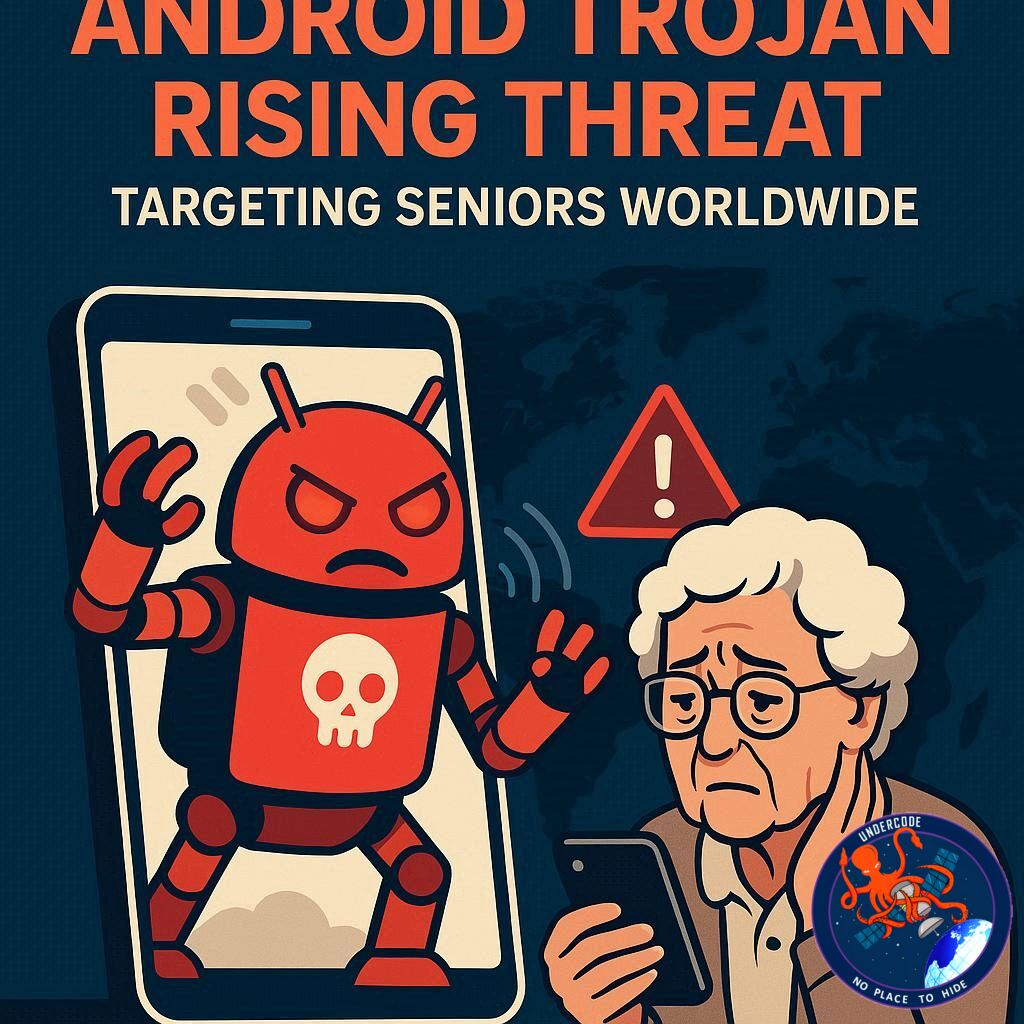
The digital world is constantly evolving, but so are the threats lurking in its shadows. A new cybersecurity danger, the Datzbro Android Trojan, has emerged, targeting an often-overlooked demographic: seniors. Disguised as harmless Facebook groups promoting “active senior trips,” this malware is spreading across countries including Australia, Singapore, Malaysia, Canada, South Africa, and the United Kingdom. Its sophisticated capabilities allow cybercriminals to gain full remote control of infected devices, capturing audio and video, logging keystrokes, and even accessing sensitive banking information.
Recent reports reveal that the Datzbro Trojan uses deceptive social engineering techniques to lure older users who are seeking social interaction and travel opportunities online. These fake Facebook groups are carefully crafted to appear legitimate, complete with enticing content about tours, events, and community activities. Once a user clicks on the malicious link or downloads a disguised application, the Trojan silently installs itself, embedding deeply into the device’s system. From there, attackers can monitor communications, capture multimedia, and extract sensitive information without detection.
The geographical scope of Datzbro is particularly concerning. Its presence in countries spanning multiple continents highlights the global nature of cybersecurity threats. Seniors, often less familiar with advanced digital hygiene practices, are especially vulnerable to such scams. The malware’s functionality extends beyond passive spying; it actively enables financial exploitation by targeting banking apps and credentials, making victims susceptible to theft and fraud. Cybersecurity experts warn that this combination of social engineering and technical sophistication represents a new frontier in digital crime.
Datzbro’s remote control capabilities allow attackers to manipulate the device in real time. This includes activating cameras and microphones, logging keystrokes to capture passwords, and potentially even executing transactions. The Trojan is not just an invasion of privacy—it’s a direct threat to financial security and personal safety. For older adults, who may be less equipped to identify these threats, the consequences can be devastating.
Preventative measures remain critical. Seniors and caregivers must be educated about the dangers of unsolicited links and suspicious social media groups. Mobile security software, careful management of app permissions, and vigilant monitoring of online interactions are essential steps. Governments and cybersecurity organizations are also urged to intensify awareness campaigns specifically targeting older populations, who are increasingly drawn to digital communities for social connection.
The rise of malware like Datzbro underscores a troubling trend: cybercriminals are designing increasingly targeted attacks that exploit psychological vulnerabilities rather than purely technical weaknesses. Seniors seeking companionship, adventure, or community are now prime targets. As the digital landscape grows more complex, the intersection of human behavior and technology becomes a critical battleground for cybersecurity.
What Undercode Say:
Datzbro represents a sophisticated evolution of Android malware, leveraging both technical prowess and social engineering. Unlike generic Trojans, its strategic targeting of seniors demonstrates a nuanced understanding of human behavior. The fake Facebook groups serve as a Trojan horse, exploiting the natural curiosity and social inclinations of older adults. This approach makes detection by conventional antivirus software challenging, as users often trust social media platforms and community-oriented content.
From a technical perspective, Datzbro combines multiple attack vectors—remote control, audio/video surveillance, keystroke logging, and financial credential theft—into a single package. This multi-layered functionality is alarming because it allows attackers to execute fully autonomous cyberattacks while maintaining near-invisibility. The malware’s ability to access banking applications adds a dimension of real-world financial impact, turning personal devices into instruments of economic crime.
The international reach of Datzbro highlights the necessity for cross-border cybersecurity cooperation. Countries like Australia, Singapore, Malaysia, Canada, South Africa, and the UK must share threat intelligence and strengthen cybersecurity frameworks, particularly around vulnerable populations. Public awareness campaigns should not only focus on technical prevention but also on social engineering literacy, teaching seniors to recognize psychological manipulation tactics used in fake online communities.
What sets Datzbro apart is its use of trust as a weapon. Seniors are typically more trusting of social engagement, making them susceptible to these scams. Unlike younger demographics who may prioritize technical security, older adults may prioritize social validation, community participation, and perceived legitimacy. Cybercriminals exploiting these factors signal a shift from opportunistic hacking to highly targeted behavioral attacks.
Additionally, the Trojan raises questions about platform responsibility. Facebook, as the medium for these attacks, bears a measure of accountability in curbing fraudulent group creation and monitoring suspicious link dissemination. Enhanced AI-driven content moderation, combined with human oversight, could significantly reduce the effectiveness of such campaigns.
The economic and emotional toll of Datzbro should not be underestimated. Victims may face financial loss, privacy invasion, and psychological stress. Families, caregivers, and community networks play a crucial role in early detection and intervention. Proactive digital education for seniors, routine security audits, and robust mobile security solutions are no longer optional—they are essential defenses in the age of socially engineered malware.
In conclusion, Datzbro is more than a malware incident; it’s a case study in the convergence of technology, psychology, and crime. Its sophisticated exploitation of seniors signals a warning to cybersecurity professionals, platform operators, and society at large. Addressing this threat requires both technological innovation and behavioral awareness, emphasizing that cybersecurity is not merely about code but also about understanding the human mind.
Fact Checker Results:
✅ Datzbro Trojan targets seniors via fake Facebook groups.
✅ Capable of remote control, keylogging, audio/video capture, and banking access.
❌ No evidence that it has caused mass financial losses yet, though risk is high.
Prediction:
The Datzbro Trojan is likely to expand its reach in the coming months, exploiting other social media platforms and even messaging apps. Seniors will remain prime targets unless large-scale awareness campaigns and platform safeguards are implemented. Expect cybersecurity solutions to increasingly focus on behavioral analytics and AI detection to prevent socially engineered attacks. 🚨💻
🕵️📝✔️Let’s dive deep and fact‑check.
References:
Reported By: x.com
Extra Source Hub (Possible Sources for article):
https://www.stackexchange.com
Wikipedia
OpenAi & Undercode AI
Image Source:
Unsplash
Undercode AI DI v2
Bing
🔐JOIN OUR CYBER WORLD [ CVE News • HackMonitor • UndercodeNews ]
📢 Follow UndercodeNews & Stay Tuned:
𝕏 formerly Twitter 🐦 | @ Threads | 🔗 Linkedin | 🦋BlueSky | 🐘Mastodon


