
Listen to this Post
Introduction: A Strategic Waterway Sparks Global Energy Panic
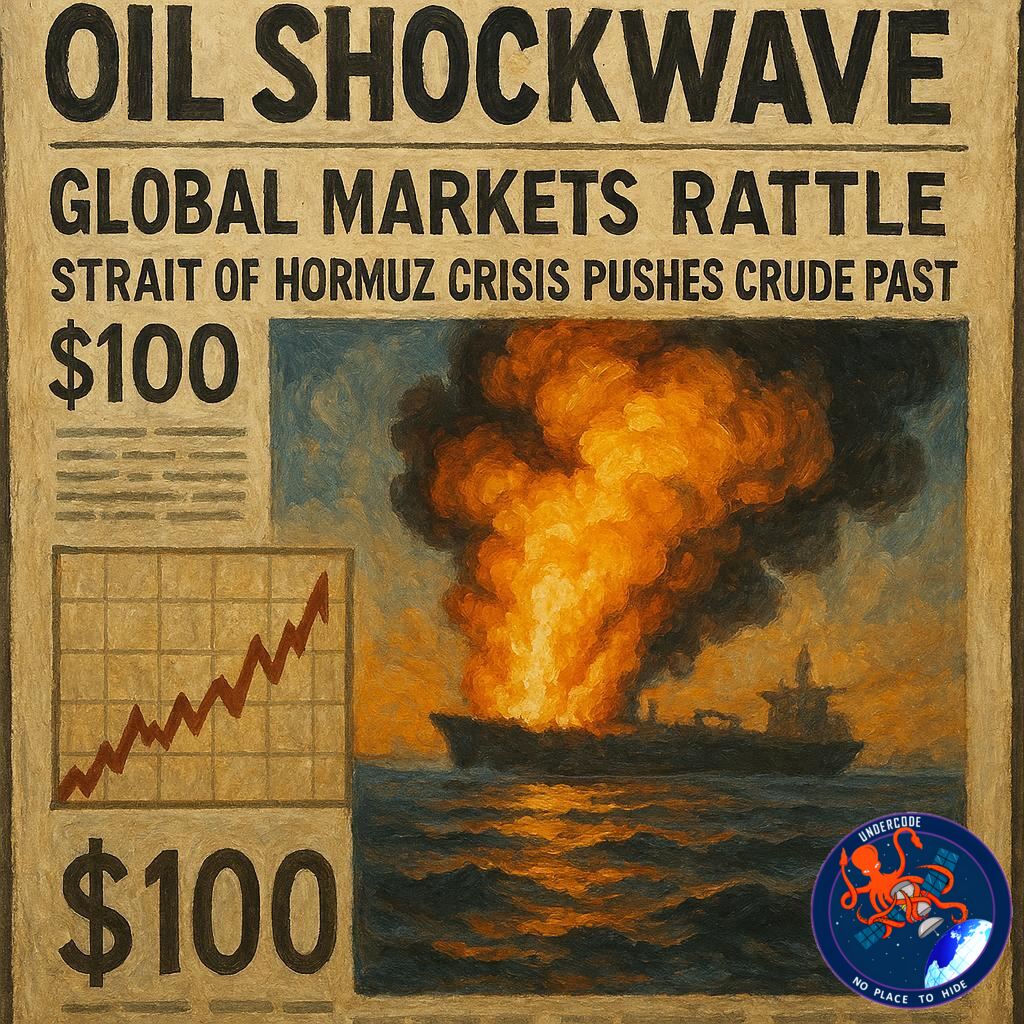
A dramatic surge in global oil prices has once again reminded the world how fragile energy markets can be. As tensions escalate in the Middle East and the conflict involving Iran stretches into its third week, a crucial maritime artery for global oil shipments—the Strait of Hormuz—has effectively been shut down. The result has been a powerful shock to international energy markets, sending crude prices soaring above $100 per barrel and triggering fears of a prolonged supply crisis. Governments, shipping companies, and financial markets are now scrambling to assess how long the disruption might last and how severe the ripple effects could become.
Oil Prices Surge to Multi-Year Highs
Global oil markets reacted sharply as trading opened Sunday evening. Brent crude, widely used as the international benchmark, climbed roughly 2.9 percent to around $106.12 per barrel, marking its highest level since July 2022. At the same time, U.S. crude futures rose 2.6 percent to about $101.53 per barrel. The sudden spike reflects growing concerns that supply disruptions in the Middle East could persist longer than previously anticipated.
War in Iran Enters Its Third Week
The ongoing conflict involving the United States, Israel, and Iran has now moved into its third week, intensifying fears of broader regional instability. The confrontation has already caused one of the most significant disruptions to global oil flows in modern history. With shipping routes threatened and military operations continuing, energy traders are increasingly pricing geopolitical risk into the cost of oil.
The Strategic Importance of the Strait of Hormuz
At the center of the crisis lies the Strait of Hormuz, a narrow but critically important maritime corridor linking the Persian Gulf with global markets. Roughly 20 percent of the world’s oil supply normally passes through this chokepoint every day. With tanker traffic effectively halted due to security threats, a massive portion of the global energy supply chain has been disrupted almost overnight.
Shipping Routes Become High-Risk Zones
Since the conflict began, oil tankers have faced mounting dangers in the region. Mines reportedly deployed in the strait and attacks on vessels have forced shipping companies to halt or reroute operations. Insurance costs for vessels attempting to pass through the area have skyrocketed, while many operators have simply suspended voyages altogether.
U.S. Naval Protection Plans Face Delays
The U.S. government has attempted to calm market fears by announcing plans to deploy naval escorts to protect oil tankers traveling through the Middle East. The strategy aims to ensure safe passage for energy shipments leaving the region. However, officials have acknowledged that assembling the necessary naval task force could take several weeks, leaving a significant window during which oil shipments remain highly vulnerable.
Calls for International Cooperation
Facing mounting pressure from rising energy prices, the U.S. administration has appealed to the international community for support in reopening the Strait of Hormuz. The proposal involves a coordinated multinational effort to restore secure shipping lanes and reestablish the steady flow of oil that global markets depend upon. Whether such cooperation can materialize quickly enough remains uncertain.
Market Volatility Amplifies Price Swings
Oil prices are especially volatile during after-hours trading sessions when liquidity is lower and speculation tends to increase. During similar market conditions the previous week, crude prices briefly approached $120 per barrel before stabilizing closer to $100 by Monday morning. Analysts warn that such rapid price swings could continue as long as geopolitical uncertainty dominates the market narrative.
Iran Escalates Pressure in the Strait
Iran has reportedly intensified its defensive measures around the strait, including the placement of naval mines and warnings that it may target infrastructure connected to U.S. energy interests. These actions have significantly heightened tensions and increased the risk of further disruption to maritime traffic in one of the world’s most critical energy corridors.
Attacks on Tankers Add to Global Alarm
Several oil tankers have already been struck since the conflict erupted on February 28. Even isolated incidents can send shockwaves through global shipping markets because each attack reinforces fears that the region has become unsafe for commercial navigation. The cumulative effect is a dramatic slowdown in oil transport.
Military Strikes Target Iranian Energy Assets
In an effort to pressure Iran economically, U.S. forces have launched strikes against Kharg Island, which serves as a key hub for much of the country’s oil production infrastructure. Despite the attacks, officials have stated that Iran’s core oil production facilities have largely been spared—for now—suggesting that the strategy may aim to apply pressure without triggering a full-scale collapse of the global energy supply.
Domestic Energy Expansion Efforts in the United States
As gasoline prices climb, the U.S. government has moved quickly to boost domestic production. Over the weekend, authorities approved a new offshore oil project operated by BP in the Gulf of Mexico. The project marks the company’s first major offshore development since the Deepwater Horizon disaster, signaling a renewed push to increase energy output.
Restarting Offshore Rigs on the West Coast
Energy officials have also directed companies to restart previously inactive offshore rigs and pipelines near Southern California. These facilities had been idle for years due to regulatory and environmental concerns, but rising energy prices have shifted the policy conversation toward maximizing available supply.
Strategic Oil Reserves Activated
To counter the tightening supply, member nations of the International Energy Agency agreed to release 400 million barrels of emergency oil reserves. This coordinated move represents the largest collective energy intervention in the agency’s history. However, much of this oil will not reach markets until the end of March, meaning the immediate supply crunch may persist.
Gasoline Prices Begin Climbing Across the U.S.
American drivers are already feeling the impact. Average gasoline prices have risen approximately 24 percent since the conflict began, reaching about $3.70 per gallon according to AAA. The increase threatens to erase one of the administration’s major economic talking points—declining fuel costs earlier in the presidential term.
Political Pressure Mounts as Fuel Costs Rise
Lower gasoline prices had been a major economic highlight after dropping below $3 per gallon in December, the lowest level since May 2021. However, the current geopolitical crisis now threatens to reverse that trend, creating potential political challenges as consumers begin to feel the pinch at the pump.
The Crisis Extends Beyond Oil Markets
The disruption in the Strait of Hormuz affects more than just crude oil shipments. Many other essential goods travel through the same maritime route, meaning the consequences could ripple across global supply chains.
Fertilizer Supplies Face Potential Disruptions
Agricultural sectors worldwide rely heavily on fertilizer shipments transported through the strait. If supply routes remain blocked, farmers could face shortages that might ultimately lead to higher food production costs.
Food Prices Could Be the Next Casualty
Perishable goods such as dairy products, seafood, fruits, and vegetables are particularly vulnerable to shipping disruptions. If transport delays continue, grocery prices could climb as retailers pass increased logistics costs on to consumers.
What Undercode Says:
A Perfect Storm of Geopolitics and Energy Dependence
The crisis unfolding around the Strait of Hormuz highlights a long-standing vulnerability in the global energy system: extreme dependence on a few strategic transport routes. Even in an era where renewable energy is growing rapidly, oil still dominates transportation, industry, and manufacturing. When a single maritime chokepoint that handles roughly one-fifth of global supply is threatened, the entire economic system feels the shock.
Oil Markets Thrive on Fear and Uncertainty
Energy markets rarely move based purely on current supply and demand. Instead, they react strongly to expectations. Traders are not just pricing the oil that cannot move today—they are pricing the risk that shipments could remain blocked for weeks or even months. That anticipation alone can push prices dramatically higher.
Why the Strait of Hormuz Is Irreplaceable
Unlike other shipping routes, the Strait of Hormuz has no easy substitute. Pipelines that bypass the strait exist, but they handle only a fraction of the volume normally transported by tankers. Even if alternative routes are used at full capacity, millions of barrels per day could remain stranded, keeping pressure on prices.
Military Protection May Not Immediately Fix the Problem
Naval escorts might eventually restore some shipping activity, but they cannot eliminate all risks. Mines, missile threats, and drone attacks remain serious concerns. Even a single successful strike against a tanker under naval protection could reignite panic across global markets.
The Supply Response Will Be Slow
Expanding oil production is not something that happens overnight. Offshore projects, pipeline restarts, and drilling operations can take months or even years before producing significant volumes. The recent approvals for new projects are important signals, but they will not quickly offset supply disruptions from the Middle East.
Strategic Reserves Are a Temporary Solution
Releasing emergency oil reserves can stabilize markets temporarily, but these stockpiles are finite. Once they are used, governments must eventually replenish them—often at higher prices. This means reserve releases act more like shock absorbers than long-term solutions.
Food Inflation Could Follow Energy Inflation
One overlooked aspect of energy disruptions is their impact on food supply chains. Higher fuel costs increase transportation expenses for farms, processing facilities, and grocery distribution networks. If fertilizer shipments are also delayed, crop yields could be affected in future seasons.
The Crisis Could Reshape Global Energy Strategy
Events like this often trigger major policy shifts. Governments may accelerate investments in renewable energy, diversify import routes, or strengthen domestic production capabilities. The long-term legacy of the crisis might not just be higher oil prices—it could be a transformation of global energy security strategies.
🔍 Fact Checker Results
Verified Impact on Oil Supply
✅ Roughly 20% of global oil shipments normally pass through the Strait of Hormuz, making it one of the most critical energy chokepoints in the world.
Confirmed Price Surge
✅ Oil prices exceeding $100 per barrel during geopolitical disruptions is consistent with historical market reactions to supply threats.
Potential Supply Chain Effects
❌ Claims of immediate global food shortages are exaggerated; however, prolonged disruptions could gradually increase agricultural costs.
📊 Prediction
Short-Term Energy Market Volatility
🔮 Oil prices could remain above $100 per barrel if tanker traffic through the Strait of Hormuz is not restored within the next few weeks.
Rising Consumer Costs Worldwide
🔮 Gasoline and transportation costs are likely to climb further, potentially triggering new waves of inflation in multiple economies.
Long-Term Shift Toward Energy Diversification
🔮 Governments may accelerate renewable energy investment and expand strategic reserves to reduce reliance on vulnerable oil transport routes in the future.
🕵️📝✔️Let’s dive deep and fact‑check.
References:
Reported By: edition.cnn.com
Extra Source Hub (Possible Sources for article):
https://www.pinterest.com
Wikipedia
OpenAi & Undercode AI
Image Source:
Unsplash
Undercode AI DI v2
Bing
🔐JOIN OUR CYBER WORLD [ CVE News • HackMonitor • UndercodeNews ]
📢 Follow UndercodeNews & Stay Tuned:
𝕏 formerly Twitter 🐦 | @ Threads | 🔗 Linkedin | 🦋BlueSky | 🐘Mastodon


