
Listen to this Post
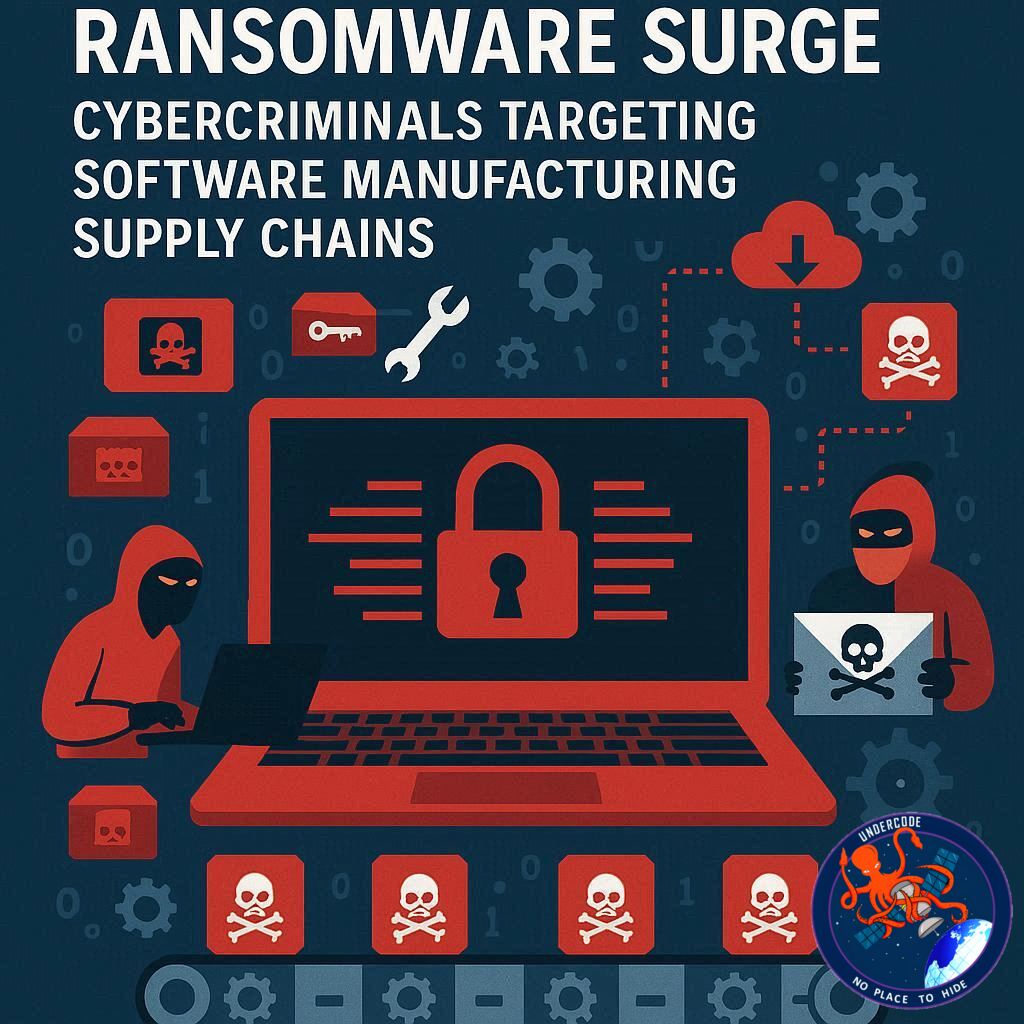
The cybercrime landscape is evolving faster than most companies can respond. In early 2026, ransomware attacks skyrocketed, focusing heavily on software firms and manufacturing supply chains, revealing a growing vulnerability in critical infrastructure. Threat actors like Qilin, CL0P, and others are exploiting systemic weaknesses, leaving organizations scrambling to defend sensitive data and maintain operations. With 2,697 incidents reported in just the past few months, the situation demands urgent attention from cybersecurity teams and policymakers alike.
Ransomware Trends and Statistics
Since late 2025, ransomware attacks have surged by over 30%, signaling an alarming escalation in cyber threats. January 2026 alone saw Qilin responsible for 115 confirmed claims, making it the most active ransomware group this year. Following closely were CL0P and a host of smaller groups, all targeting sectors that are pivotal to the supply chain ecosystem. The attacks primarily focus on software providers, manufacturing firms, and logistics networks, exploiting vulnerabilities in interconnected systems. Cybersecurity experts warn that these attacks not only cause financial losses but also disrupt production schedules, delay shipments, and compromise intellectual property.
The methods employed by these ransomware groups are increasingly sophisticated. Many leverage double-extortion tactics, where data is encrypted and simultaneously threatened to be leaked if ransom demands are not met. Supply chain attacks are particularly concerning because a single breach can cascade, affecting multiple organizations downstream. This interconnectivity means that even companies with strong internal security can fall victim if a partner organization is compromised.
Economic and Operational Impact
The financial consequences are significant. Beyond direct ransom payments, which often run into millions of USD, companies face operational downtime, legal liabilities, and reputational damage. In manufacturing, even a brief disruption can halt production lines, delay orders, and impact global supply networks. Analysts estimate that the cumulative cost of these attacks could exceed several billion USD annually, highlighting the urgent need for proactive defenses.
Ransomware also impacts innovation and trust. Companies are becoming increasingly wary of outsourcing critical components or integrating third-party software, fearing that a weak link could expose them to cyberattacks. Insurance premiums for cyber liability are rising sharply, reflecting the growing recognition of ransomware as a systemic threat rather than isolated incidents.
What Undercode Say:
Ransomware Evolution and Targeting
Ransomware is no longer random; it’s calculated. Groups like Qilin and CL0P are deliberately targeting supply chains because of their leverage. A breach in a key supplier can ripple across multiple organizations, forcing victims to pay quickly to avoid operational collapse. The trend shows a shift from opportunistic attacks to strategic, high-value targeting.
The Double-Extortion Model
Double-extortion tactics have become the norm. Attackers encrypt data and simultaneously threaten to release sensitive information publicly. This approach increases pressure on companies to pay ransoms while complicating legal and public relations responses. Victims face not only financial loss but potential regulatory scrutiny for data breaches.
Supply Chain Vulnerabilities
Supply chain attacks reveal a critical weakness in the current cybersecurity framework. Organizations often overestimate the security posture of their partners, leaving themselves exposed. Comprehensive audits and third-party risk management programs are no longer optional—they are essential for survival in 2026’s threat landscape.
The Role of Automation and AI in Defense
AI-driven monitoring systems and automated threat detection are increasingly vital. With ransomware attacks growing both in volume and sophistication, human teams alone cannot respond effectively. Automation helps identify anomalous behavior, isolate compromised nodes, and minimize downtime, providing a critical layer of defense.
Regulatory and Policy Considerations
Governments are under pressure to strengthen cybersecurity regulations. New policies may require mandatory reporting of ransomware incidents and impose stricter obligations on critical infrastructure sectors. Companies will need to align with these evolving legal frameworks to mitigate both operational and financial risks.
Cultural and Behavioral Shifts
Organizations must foster a security-first culture. Employee training, phishing simulations, and awareness campaigns are essential, as human error remains one of the leading causes of successful ransomware attacks. Cyber hygiene cannot be treated as a peripheral concern—it must be integrated into everyday business processes.
Financial Implications and Insurance
The rise in ransomware attacks is driving up cyber insurance premiums. Policies are becoming more selective, with insurers demanding evidence of strong security practices. Organizations failing to meet these standards may face limited coverage or outright rejection, making proactive investment in cybersecurity non-negotiable.
Future Threat Projections
As ransomware groups refine their tactics, attacks may become faster, more targeted, and potentially automated. Businesses must anticipate these developments, invest in resilience, and rethink traditional approaches to IT security.
🔍 Fact Checker Results
✅ Ransomware attacks have risen sharply since late 2025, especially in software and manufacturing sectors.
✅ Qilin was confirmed as the most active group in January 2026 with 115 claims.
❌ No evidence suggests that all supply chain companies have been equally affected; impacts vary widely by region and sector.
📊 Prediction
Ransomware attacks are likely to continue their upward trajectory through 2026, with supply chain attacks becoming more targeted and sophisticated. Companies that invest in AI-driven defense systems, robust third-party audits, and employee cybersecurity training are expected to withstand disruptions better, while lagging organizations may face escalating ransom demands and operational losses. International cooperation and regulatory enforcement will play a crucial role in shaping the next phase of ransomware defense.
🕵️📝✔️Let’s dive deep and fact‑check.
References:
Reported By: x.com
Extra Source Hub (Possible Sources for article):
https://stackoverflow.com
Wikipedia
OpenAi & Undercode AI
Image Source:
Unsplash
Undercode AI DI v2
Bing
🔐JOIN OUR CYBER WORLD [ CVE News • HackMonitor • UndercodeNews ]
📢 Follow UndercodeNews & Stay Tuned:
𝕏 formerly Twitter 🐦 | @ Threads | 🔗 Linkedin | 🦋BlueSky | 🐘Mastodon


