
Listen to this Post
Introduction
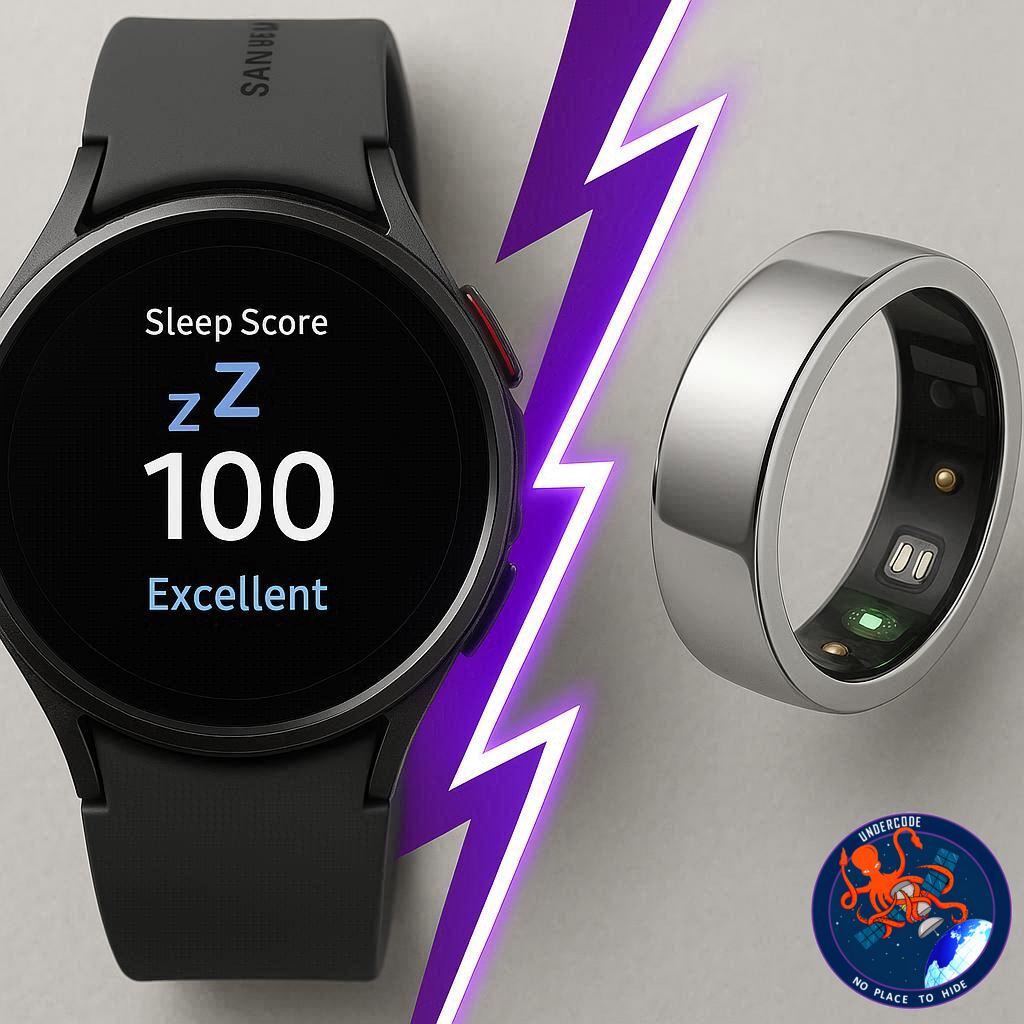
Samsung Health users across the globe are scratching their heads as their Sleep Scores have suddenly skyrocketed into the high 90s and even perfect 100s — without any noticeable lifestyle or sleep changes. The mysterious jump has sparked discussions online, with many suspecting a software tweak behind the surprising results. Could Samsung really have changed its sleep-tracking algorithm, or is this a temporary glitch? Let’s dive deep into what’s happening, what users are saying, and what it could mean for the future of health tracking on Samsung devices.
the Story
Samsung Health’s Sleep Score has long been a popular feature for Galaxy Watch and Galaxy Ring owners. It analyzes sleep quality based on metrics like duration, consistency, and restfulness, then assigns a score. Normally, this number has been a reliable indicator of sleep patterns, with most users landing between the 60s and 80s, and very rarely climbing into the 90s.
Recently, however, users have been reporting suspiciously high scores. One Reddit user, who has tracked their Sleep Score since 2022, noticed a sudden jump to 99 after years of never exceeding 94. Since then, their results have consistently stayed in the high 90s every single night.
They weren’t alone. Many other Samsung Health users chimed in with similar experiences. Some said they had never seen scores above 90 before, but are now hitting 99 daily. Others even reported hitting the perfect 100, a result previously unheard of. Importantly, none of these users had changed their sleep habits.
The phenomenon seems unrelated to specific devices, as both Galaxy Watch and Galaxy Ring wearers have reported the same issue. That suggests the change is happening at the software or algorithm level rather than being hardware-dependent.
Experts speculate Samsung may have tweaked the scoring model, either intentionally or by mistake. Such an adjustment could have been designed to boost user morale by showing more positive results, or it could be part of a new AI-driven algorithm that hasn’t yet stabilized.
Regardless of the cause, the sudden surge in nearly flawless Sleep Scores has cast doubt on the accuracy and reliability of Samsung’s sleep-tracking system. For now, users are enjoying the ego boost of being labeled “perfect sleepers,” but many are waiting to see if Samsung rolls out a clarification or update to fix the issue.
What Undercode Say:
When analyzing this situation, it’s clear that Samsung may be balancing two conflicting priorities: accuracy versus user satisfaction.
Sleep tracking has always been a tricky metric. Devices rely on heart rate, motion sensors, and sometimes oxygen saturation to guess how restful a person’s sleep was. These signals are far from perfect, and companies like Samsung, Fitbit, and Apple have all faced criticism for questionable accuracy.
By raising the baseline scores, Samsung could be testing whether users feel more motivated and positive about their sleep quality. After all, higher scores encourage users to stick with their wearables and remain engaged with the app ecosystem. If people believe they’re sleeping better, they may be less likely to complain — even if the data isn’t 100% precise.
However, the downside is trust. If Samsung users begin to feel that the scores are artificially inflated, confidence in the brand’s health-tracking features could erode. Once consumers doubt the accuracy of health data, it becomes difficult to restore credibility.
Another angle to consider is machine learning adjustments. Sleep-scoring models may continuously evolve based on global data collected from millions of users. If Samsung tweaked its algorithm recently, it could be in a calibration phase, where the system outputs exaggerated scores until it gathers enough feedback to stabilize. This would explain why the spike is so sudden and widespread.
From a marketing perspective, this issue also comes at a crucial time. Samsung is pushing its new devices — Galaxy S25 FE, Fold 7, and S25 Ultra — while expanding wearables like the Galaxy Ring. Positive headlines about “better sleep scores” could indirectly boost customer satisfaction with the ecosystem. Even if unintentional, the timing could work in Samsung’s favor.
Still, the health-tech industry must tread carefully. Regulatory bodies are watching wearables closely, especially as they creep into medical-grade territory with features like ECG, blood oxygen monitoring, and even predictive health alerts. If Samsung’s scores are found to be misleading, it could invite scrutiny that the company might prefer to avoid.
In the long run, transparency will be key. Samsung may need to issue a statement clarifying whether the jump in Sleep Scores is due to an intentional recalibration or a glitch. Without that, speculation will continue, and users might not take their results seriously anymore.
Ultimately, this mystery underscores a broader truth: sleep is complex, and no wearable can perfectly measure it. A higher score doesn’t always mean better rest, and users should still rely on how refreshed they feel in the morning rather than a number on their wrist.
✅ Fact Checker Results
Users globally are indeed reporting higher Samsung Health Sleep Scores.
The change is affecting both Galaxy Watch and Galaxy Ring users.
No official statement from Samsung yet confirms whether it’s intentional or a glitch.
🔮 Prediction
If this scoring boost is intentional, Samsung may roll out an official announcement framing it as an algorithm upgrade designed to “better reflect sleep wellness.” Over the next few months, we can expect either a patch that normalizes scores or a marketing spin turning this into a positive feature. Either way, users should prepare for Samsung to clarify the situation soon.
🕵️📝✔️Let’s dive deep and fact‑check.
References:
Reported By: www.sammobile.com
Extra Source Hub:
https://stackoverflow.com
Wikipedia
OpenAi & Undercode AI
Image Source:
Unsplash
Undercode AI DI v2
🔐JOIN OUR CYBER WORLD [ CVE News • HackMonitor • UndercodeNews ]
📢 Follow UndercodeNews & Stay Tuned:
𝕏 formerly Twitter 🐦 | @ Threads | 🔗 Linkedin | 🦋BlueSky | 🐘Mastodon


