
Listen to this Post
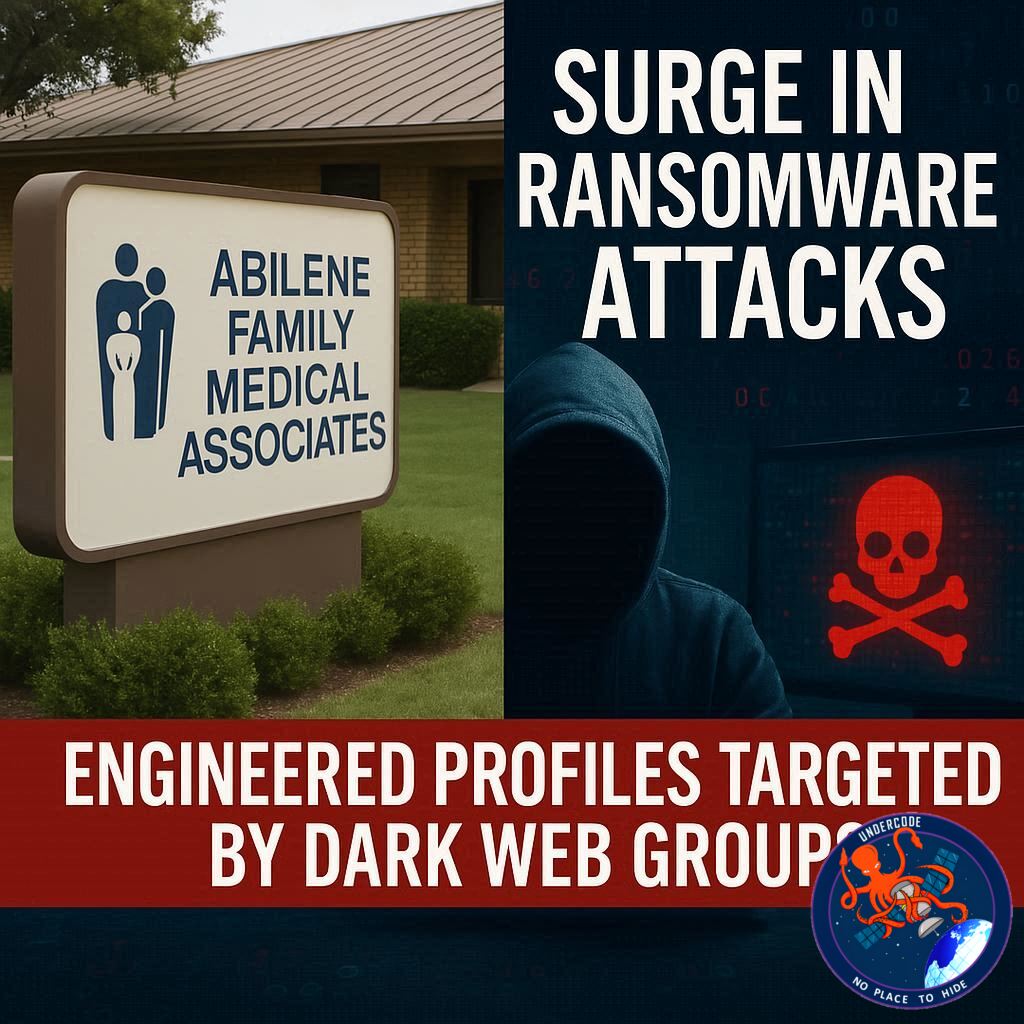
The world of cybersecurity faces yet another stark reminder of the persistent threats lurking in the digital shadows. On October 27, 2025, two notable ransomware attacks were reported, targeting a healthcare provider and a corporate data firm. These incidents underscore the rising sophistication and frequency of ransomware operations, highlighting the urgent need for organizations to bolster their digital defenses.
According to the ThreatMon Threat Intelligence Team, the ransomware group known as “rhysida” has recently compromised Abilene Family Medical Associates, a healthcare organization. The attack was detected at 13:12:43 UTC +3. Shortly after, at 14:48:35 UTC +3, another ransomware group called “akira” targeted Engineered Profiles, a company specializing in data engineering and corporate solutions. Both incidents were identified via monitoring of dark web activity, signaling a coordinated and increasingly aggressive approach by cybercriminals to extract sensitive information from vulnerable entities.
These events are part of a broader trend in ransomware attacks, which have evolved from opportunistic breaches to highly organized campaigns. In the past, ransomware attacks were often random, targeting any entity with weak security. Today, attackers are highly selective, targeting organizations with critical data, the ability to pay ransoms, or those whose disruption can have maximum operational and reputational impact. Healthcare institutions, for example, are especially attractive targets due to the sensitivity of patient records and the urgency of uninterrupted services. Similarly, firms dealing with engineered profiles or sensitive corporate data are prime targets because of the high value of proprietary information.
Both the rhysida and akira ransomware groups operate primarily via dark web channels, leveraging underground forums to sell stolen data, coordinate attacks, and intimidate victims into compliance. Such groups often use sophisticated encryption techniques and polymorphic malware to evade detection. These attacks are not just financial crimes—they are strategic operations designed to exploit vulnerabilities in cyber infrastructure.
The timing and nature of these attacks suggest a trend of increased ransomware activity in 2025, particularly in sectors that handle critical data. This surge also reflects the growing professionalism within ransomware groups, many of which operate with corporate-like hierarchies, dedicated developers, and negotiation teams. Cybersecurity experts warn that victims are likely to face long-term consequences, including data leaks, reputational damage, legal liability, and operational disruption.
What Undercode Say:
The recent targeting of Abilene Family Medical Associates and Engineered Profiles reveals several concerning patterns in the current ransomware landscape. First, attackers are increasingly sector-focused, exploiting both operational urgency and the potential for financial gain. Healthcare institutions, like Abilene Family Medical Associates, are particularly vulnerable due to the critical nature of patient data and reliance on continuous service delivery. Ransomware incidents in such contexts can disrupt patient care, delay treatment, and expose sensitive health information, resulting in compounded legal and ethical liabilities for the institutions involved.
Second, the sophistication of these attacks highlights a shift from purely opportunistic breaches to planned, data-driven campaigns. Ransomware groups such as rhysida and akira often perform reconnaissance, analyzing the internal structures, backup protocols, and payment capabilities of their targets before striking. This makes mitigation more difficult and demonstrates a level of operational intelligence that resembles corporate risk management, but in a criminal context.
Moreover, the use of dark web platforms to coordinate and publicize attacks serves multiple purposes: it markets stolen data, enhances the group’s reputation among peers, and amplifies psychological pressure on victims. Public announcements, such as the ones detected by ThreatMon, are strategic; they communicate both capability and threat, coercing victims into paying ransoms while simultaneously signaling to other potential targets the risks of under-protection.
From a defensive standpoint, these incidents stress the necessity of multi-layered cybersecurity strategies. Regular system audits, robust data encryption, segmented network architecture, employee training, and incident response planning are critical measures. In addition, proactive monitoring of dark web chatter and threat intelligence feeds can provide early warning of potential attacks, allowing organizations to act before a breach occurs.
Finally, the broader implication is the increasing need for policy and regulatory frameworks that incentivize strong cybersecurity hygiene. As ransomware attacks evolve in sophistication, the consequences are no longer limited to financial loss but extend to national security, public health, and corporate integrity. Organizations must adapt to a digital environment where threat actors operate with precision, resourcefulness, and intent.
Fact Checker Results:
✅ Abilene Family Medical Associates and Engineered Profiles were confirmed as victims.
✅ ThreatMon Threat Intelligence Team detected ransomware activity from rhysida and akira groups.
❌ No indication yet of ransom payments or data breach outcomes.
Prediction:
Ransomware attacks will continue to rise in both frequency and sophistication, particularly targeting healthcare and data-centric industries. Organizations that fail to implement advanced monitoring and response strategies may face prolonged operational disruptions. 🛡️ Enhanced cybersecurity protocols, combined with proactive threat intelligence, will be essential to prevent future incidents.
🕵️📝✔️Let’s dive deep and fact‑check.
References:
Reported By: x.com
Extra Source Hub (Possible Sources for article):
https://stackoverflow.com
Wikipedia
OpenAi & Undercode AI
Image Source:
Unsplash
Undercode AI DI v2
Bing
🔐JOIN OUR CYBER WORLD [ CVE News • HackMonitor • UndercodeNews ]
📢 Follow UndercodeNews & Stay Tuned:
𝕏 formerly Twitter 🐦 | @ Threads | 🔗 Linkedin | 🦋BlueSky | 🐘Mastodon


