
Listen to this Post
🎯 Introduction
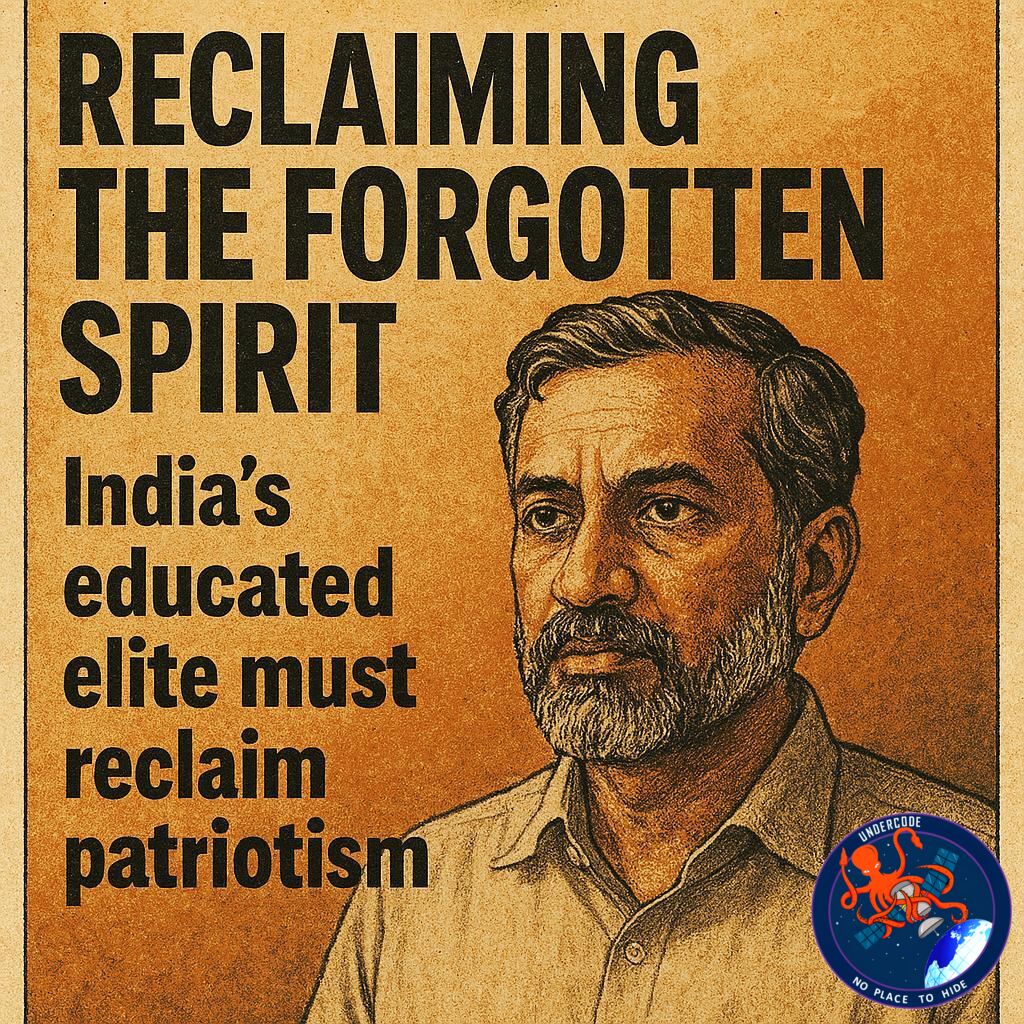
In an age when “global citizen” has become a fashionable identity, Zoho founder and Chief Scientist Sridhar Vembu is raising a stark question — have India’s educated elites forgotten where they come from? In his recent interview with MoneyControl, Vembu delivered a passionate reminder that true progress is not built on detachment, but on belonging. His message is not an abstract appeal to nationalism, but a pragmatic call to action: if India wants meaningful development, it must rediscover pride in its roots, its languages, and its people.
The Vanishing Sense of Belonging
Sridhar Vembu argues that India’s greatest challenge today isn’t economic inequality or technological gap — it’s a spiritual detachment among its educated elite. As globalization expanded, many Indians began identifying themselves as global citizens, often losing emotional and cultural connection to their homeland. For Vembu, this isn’t just a sentimental issue. It’s a developmental crisis. Without a shared sense of purpose and belonging, he believes India’s progress risks becoming hollow, driven by numbers but devoid of meaning.
Rediscovering Local Identity Through Language
Vembu insists that embracing regional languages is an act of true nationalism. He practices what he preaches — speaking Tamil in Tamil Nadu, and urging others to learn the local tongue wherever they live. “If you move to Bengaluru, learn Kannada. If you go to Mumbai, learn Marathi,” he advises. For him, language is not just communication, but connection — a way to integrate, respect, and participate in the diverse cultural fabric of India.
Rural India’s Strength: A Lesson in Patriotism
According to Vembu, the soul of India still thrives in its villages. While metropolitan cities chase global validation, small towns and rural communities continue to embody the nation’s spirit. “If you see rural India, there is still that sense of belonging,” he says, contrasting it with the disconnection of urban elites who believe they can live “wherever in the world.” He warns that this mindset, though appealing in a borderless economy, weakens the very foundation of national unity.
Zoho’s Model: Building from the Heartland
This philosophy isn’t just theory — it’s the backbone of Zoho Corporation’s success story. Vembu has intentionally built offices and training centres in rural Tamil Nadu, empowering youth who might otherwise migrate to cities. By decentralising opportunity, Zoho challenges the urban monopoly on innovation and creates a new model of “rural tech capitalism”. The company’s resilience, Vembu claims, stems from its employees’ pride in building something for their country, not just for profit.
Lessons from the East: Pride as a Growth Engine
Vembu draws inspiration from nations like Japan, South Korea, and China, whose remarkable rise he attributes to national pride and self-reliance. These countries, he argues, refused to depend on external approval. Their economic miracles were powered by collective conviction. He believes India, too, can chart its own destiny if it rekindles that inner fire — the belief that progress built at home is worth more than validation from abroad.
The Swadeshi Future: Self-Reliance in Technology
As globalisation begins to fragment, Vembu urges India to focus inward — not as isolationism, but as strategic independence. With a $4 trillion economy and a vast domestic market, India has the scale to drive its own innovation. Vembu envisions a Swadeshi movement for technology, where Indian companies build indigenous solutions and trade with confidence on equal terms with the world. It’s a vision that blends patriotism with pragmatism — a reminder that sovereignty in tech is sovereignty in the future.
What Undercode Say:
Sridhar Vembu’s argument strikes at the heart of India’s modern paradox. On one hand, the nation celebrates its global diaspora and tech exports. On the other, it grapples with an identity crisis — a generation more comfortable in Silicon Valley than in its own soil.
His message exposes a truth few want to confront: economic development without emotional investment is unsustainable. When the elite detach from their homeland, innovation loses its local purpose. Vembu’s model — building from the grassroots — reverses this logic by proving that patriotism and progress can coexist.
From a socio-economic lens, his rural development model is revolutionary. By decentralising jobs, Zoho not only revitalises rural economies but also redefines what “Made in India” can mean. It isn’t just manufacturing pride; it’s cultural participation. This mirrors how Japan leveraged local identity and craftsmanship to power global dominance in the 20th century.
Moreover, Vembu’s linguistic argument carries deep symbolic weight. In a country where English fluency often defines privilege, his advocacy for regional languages is quietly radical. It challenges the colonial hangover that still shapes India’s corporate and academic ecosystems. Speaking one’s native tongue, in his view, is not provincialism — it’s cultural self-respect.
Yet, the question remains: can such idealism survive in a global capitalist framework? India’s youth aspire for international exposure, remote jobs, and global relevance. To them, Vembu’s vision may sound limiting. But the essence of his plea is balance — to be global in outlook but rooted in identity. He isn’t opposing globalisation; he’s redefining it on India’s terms.
From a macroeconomic perspective, his emphasis on self-reliance aligns with the emerging global trend of “de-globalisation.” Supply chains are localising, and digital sovereignty is becoming policy across major economies. In this shifting landscape, Vembu’s vision positions India not as a follower of global trends, but as a leader in sustainable, home-grown development.
His belief in rural empowerment also reflects a deeper philosophical stance — that true innovation does not emerge from privilege, but from necessity. By placing trust in rural minds, Zoho transforms villages into digital powerhouses, proving that intellectual capital is not confined to urban spaces.
Ultimately, Vembu’s philosophy is both patriotic and prophetic. He reminds India that the future belongs not to those who chase the world’s approval, but to those who build a world of their own.
🔍 Fact Checker Results
✅ Sridhar Vembu’s interview with MoneyControl confirms his statements on patriotism and local identity.
✅ Zoho’s rural offices and training centres in Tamil Nadu are publicly documented.
✅ His comparisons to Japan, Korea, and China’s growth models are consistent with economic data.
📊 Prediction
🌏 As globalisation contracts, India’s Swadeshi-tech movement will gain momentum.
💼 Companies adopting rural-first strategies will emerge as sustainable models of inclusive growth.
🔥 Over the next decade, linguistic and cultural rootedness may become a defining factor in India’s innovation identity.
🕵️📝✔️Let’s dive deep and fact‑check.
References:
Reported By: timesofindia.indiatimes.com
Extra Source Hub (Possible Sources for article):
https://www.stackexchange.com
Wikipedia
OpenAi & Undercode AI
Image Source:
Unsplash
Undercode AI DI v2
Bing
🔐JOIN OUR CYBER WORLD [ CVE News • HackMonitor • UndercodeNews ]
📢 Follow UndercodeNews & Stay Tuned:
𝕏 formerly Twitter 🐦 | @ Threads | 🔗 Linkedin | 🦋BlueSky | 🐘Mastodon


