
Listen to this Post
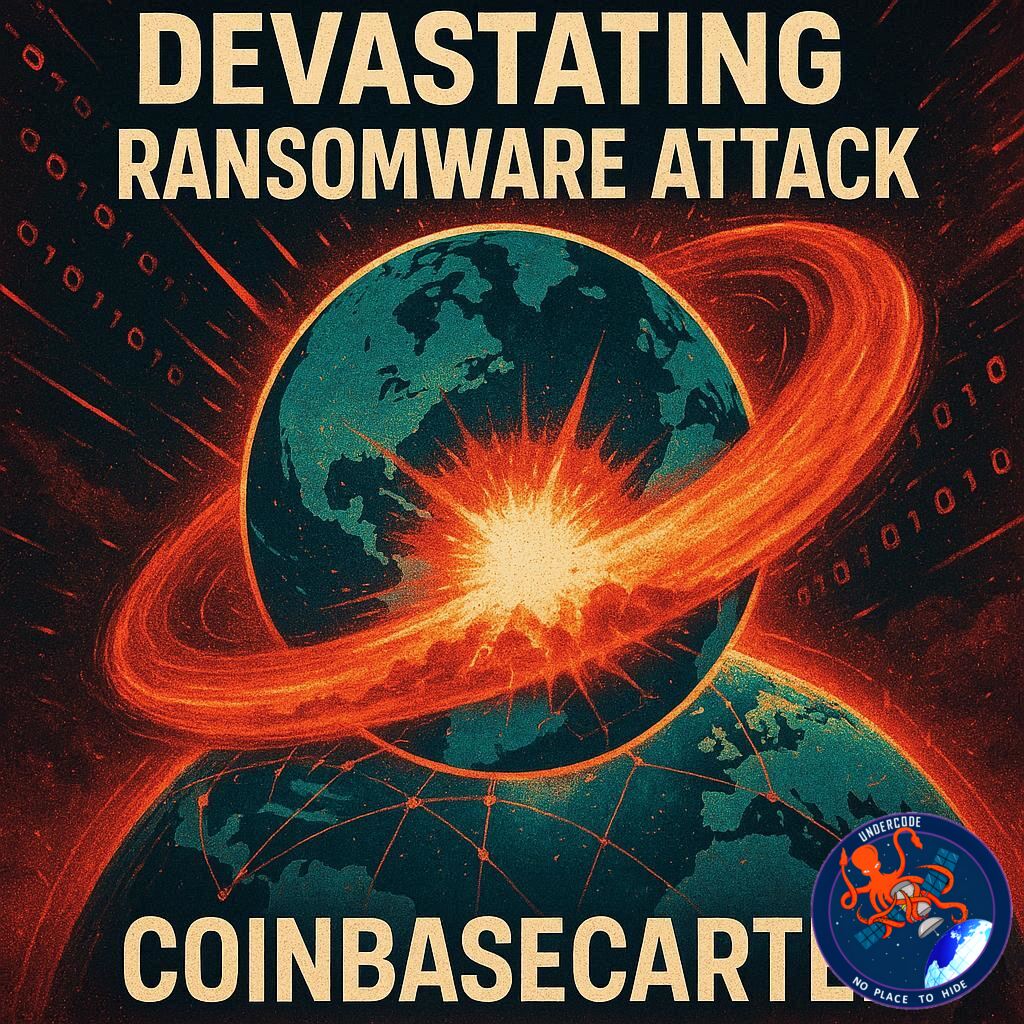
In a chilling escalation of digital warfare, one of the world’s largest logistics providers, DSV, has been struck by a ransomware attack reportedly orchestrated by the notorious cybercriminal group CoinbaseCartel. The incident, which erupted in Denmark, has sent tremors through the global supply chain network, reminding the world how fragile our interconnected systems have become in the face of relentless cyber aggression.
For decades, DSV has been a backbone of global trade—moving goods across continents, managing freight routes, and orchestrating complex supply operations for thousands of companies. But now, the very systems that kept those networks running have turned into their weakest link. The attack, confirmed in the early hours of October 14, 2025, temporarily paralyzed transport and freight management systems, causing delays across Europe and rippling into other markets.
Experts suspect CoinbaseCartel, a rising ransomware collective known for precision attacks on high-value targets, deployed an evolved form of data encryption malware. The group’s strategy typically involves infiltrating supply chain IT infrastructures, exfiltrating sensitive data, and holding corporate systems hostage for multi-million-dollar cryptocurrency payments. DSV has yet to confirm whether data was stolen or ransom demands were made public, but insiders suggest the company is coordinating with cybersecurity agencies and law enforcement.
This attack didn’t just disrupt operations—it spotlighted an emerging battleground: logistics and transportation. As economies depend more heavily on real-time data exchange, digital infrastructure becomes a weapon of economic sabotage. The DSV breach underscores how ransomware groups no longer chase random victims—they aim for sectors that can’t afford downtime.
The ripple effect of this single incident can be severe. DSV operates across 80+ countries, managing billions in goods daily. Even a few hours of downtime translates to monumental financial loss and logistical chaos. Customers, suppliers, and partners relying on DSV’s transport systems are now scrambling for alternatives, revealing how a single point of failure can paralyze a vast ecosystem.
Governments and security experts are warning that such attacks could become a new form of “digital hostage crisis”, especially as ransomware gangs evolve into semi-organized cyber cartels. The rise of groups like CoinbaseCartel, believed to operate with financial sophistication and geopolitical shielding, has turned cybersecurity from a technical concern into a global stability issue.
While DSV’s recovery teams work around the clock, the event ignites an urgent question: How do we secure the arteries of global commerce before they’re targeted again?
What Undercode Say:
The DSV ransomware incident is more than a corporate crisis—it’s a signal flare for the entire logistics industry. The attack reveals the fragility of digital dependence in a world where every container, truck, and route is tracked, optimized, and monetized through data. When that data is hijacked, everything stops.
From an analytical standpoint, DSV represents a perfect storm of vulnerability:
Scale and Connectivity: Operating on a massive, globally integrated network increases exposure.
Legacy Systems: Many logistics firms still rely on older digital frameworks, poorly equipped to detect modern ransomware.
Third-Party Dependencies: Outsourced IT services and cloud partners expand the potential attack surface.
CoinbaseCartel’s targeting of DSV shows strategic intelligence. This isn’t random hacking—it’s economic warfare dressed as cybercrime. By disrupting a logistics leader, attackers effectively strain hundreds of other companies downstream. Every delayed shipment, every halted customs clearance, and every missed delivery amplifies the pressure on the victim to pay.
It’s also worth noting the shift in ransomware motives. While traditional attacks sought fast payouts, modern ones seek influence, leverage, and chaos. Cybercriminals now see themselves as power brokers, capable of destabilizing industries with a few keystrokes.
What’s particularly concerning is the lack of global coordination against these cartels. Countries often handle cyber incidents individually, giving attackers time to adapt and relocate. The decentralized nature of cryptocurrencies like Bitcoin or Monero adds another protective layer for criminals. CoinbaseCartel’s name itself—a provocative reference to digital finance—illustrates the merging of tech-savvy anonymity with old-world criminal structure.
The DSV breach will likely push more companies to invest heavily in zero-trust architecture, AI-based intrusion detection, and rapid response frameworks. Yet, even the most advanced systems can fail if the human element—employees, contractors, and partners—remains untrained or complacent.
The logistics industry, once focused on physical security, now faces a digital frontier where threats are invisible but devastating. The world is learning, again, that cybersecurity is not an IT issue—it’s a survival issue.
Fact Checker Results
✅ DSV is a real multinational logistics company headquartered in Denmark.
✅ Ransomware attacks on transport networks have increased sharply in 2025.
❌ No public confirmation yet from DSV regarding ransom payments or CoinbaseCartel’s identity.
Prediction 🚨
Expect a wave of copycat attacks targeting logistics and transportation sectors across Europe and Asia. Governments will tighten cyber regulations, insurers will raise premiums, and companies will rush to form joint cybersecurity defense coalitions. The next war for global trade supremacy might not be fought on seas or borders—but inside data servers.
🕵️📝✔️Let’s dive deep and fact‑check.
References:
Reported By: x.com
Extra Source Hub (Possible Sources for article):
https://www.pinterest.com
Wikipedia
OpenAi & Undercode AI
Image Source:
Unsplash
Undercode AI DI v2
Bing
🔐JOIN OUR CYBER WORLD [ CVE News • HackMonitor • UndercodeNews ]
📢 Follow UndercodeNews & Stay Tuned:
𝕏 formerly Twitter 🐦 | @ Threads | 🔗 Linkedin | 🦋BlueSky | 🐘Mastodon


